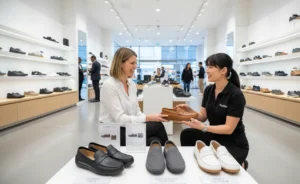
What Type of Women Casual Shoes to Wear in Winter Season
Why Choosing the Right Winter Casual Shoes Matters
Winter is more than just cold weather; it’s a challenge for your feet. Many women face common problems such as:
- Cold or numb feet during long walks or commuting.
- Slipping on icy pavements or wet surfaces.
- Foot fatigue or blisters from new shoes.
- Shoes losing shape or wearing out quickly due to moisture.
From my retail store experience serving customers globally, I’ve noticed that women often struggle to find shoes that are:
- Warm and comfortable without feeling bulky.
- Waterproof or water-resistant for slush, rain, or light snow.
- Stylish and versatile to match everyday outfits.
- Durable to last multiple seasons.
Why This Guide Is Helpful
This guide is designed to provide practical solutions for real-life winter shoe problems:
- How to choose shoes that prevent cold feet and slips.
- Ways to maintain and care for shoes to extend their life.
- Styling tips so your winter footwear complements your wardrobe.
- Buying advice to make informed decisions based on your daily needs.
By the end of this article, you will be able to select the right winter casual shoes that meet your style, comfort, and safety requirements—whether you live in snowy Europe, rainy Asia, or chilly North America.
Insulated Winter Boots 🥾 – Warmth and Protection for Cold Winters
Insulated winter boots are the go-to choice for women who need warmth, protection, and comfort during freezing temperatures, snowy streets, or rainy winter days. From my retail experience, these boots are the most requested winter shoes, especially in regions with heavy snow or long winters.
Why Customers Need Insulated Boots
- Warmth: Thick linings such as fleece, wool, or Thinsulate keep feet cozy for hours.
- Water Protection: Waterproof leather or synthetic exteriors prevent wet, cold feet.
- Grip & Safety: Durable rubber soles with deep treads reduce slipping on icy surfaces.
- Durability: Well-made boots last multiple seasons with proper care.
Common Problems & Solutions
| Problem | Solution |
|---|---|
| Cold feet during long walks | Choose boots with Thinsulate or wool lining; pair with thermal socks. |
| Slipping on ice | Boots with anti-slip rubber soles or textured tread. |
| Wet shoes from snow/slush | Waterproof exteriors + protective spray. |
| Foot fatigue | Lightweight insulated boots reduce strain on feet. |
| Blisters from stiff boots | Gradually break in new boots; use cushioned insoles. |
📱 Swipe left/right to view full table on mobile
Real-Life Customer Insights
- Many international commuters purchase mid-calf insulated boots for daily walks in snowy cities—they provide both protection and fashion.
- Some travelers choose boots with removable liners for easy drying and cleaning during multi-day trips.
- Busy professionals prefer slim-profile boots that look stylish with office wear but still provide warmth.
Expert Buying Tips
- Check the insulation type: Thinsulate is lightweight yet very warm.
- Ensure proper fit: Boots should be snug but allow room for socks.
- Examine the sole: Look for deep treads and non-slip material.
- Waterproofing: Leather or treated synthetics last longer in wet conditions.
- Weight: Avoid heavy boots if you walk long distances daily.
Waterproof Chelsea Boots 👢 – Stylish, Easy, and Functional
Chelsea boots are a versatile winter option for women who want a blend of style, convenience, and protection. They are especially popular among city commuters, office-goers, and international travelers who need something quick to wear but still elegant.
Why Customers Choose Chelsea Boots
- Slip-On Convenience: Elastic sides make them quick and easy to put on.
- Waterproof Protection: Leather or synthetic treated boots keep feet dry in rain, slush, or light snow.
- Stylish Design: Works with jeans, dresses, skirts, or casual trousers.
- Safety Grip: Rubber soles help reduce slipping on wet pavements.
Common Problems & Solutions
| Problem | Solution |
|---|---|
| Slipping on wet or icy sidewalks | Rubber or textured soles increase traction. |
| Cold feet in chilly conditions | Wear thin thermal socks; choose lined Chelsea boots. |
| Limited outfit compatibility | Opt for neutral shades like black, brown, or tan. |
| Hard to maintain | Apply leather or suede waterproof spray; clean with soft cloth. |
| Tight fit | Choose elastic sides that allow a snug but comfortable fit. |
📱 Swipe left/right to view full table on mobile
Real-Life Customer Insights
- Many international travelers select Chelsea boots for airport or city travel, as they are easy to slip on/off and stylish enough for casual or semi-formal settings.
- Working professionals prefer sleek, low-heel Chelsea boots for office wear, combining fashion and functionality.
- In rainy or snowy climates, waterproof Chelsea boots reduce the need for constant changing of shoes during errands.
Expert Buying Tips
- Material: Look for waterproof leather or synthetic blends for durability.
- Fit: Elastic sides should allow easy slip-on but stay snug to prevent slipping.
- Sole: Deep treaded rubber soles for better grip in wet conditions.
- Style: Neutral colors increase versatility with outfits.
- Care: Clean regularly and use protective sprays for longer life.
Fleece-Lined Sneakers 👟 – Casual Comfort Meets Winter Warmth
Winter doesn’t mean you have to give up your favorite sneakers! Fleece-lined sneakers are perfect for women who want the comfort of sneakers but need a little extra warmth during chilly days.
Why They’re a Customer Favorite
- Cozy Interior: Fleece lining keeps your feet warm without making them sweat.
- Lightweight & Flexible: Great for walking, running errands, or casual winter outings.
- Style-Friendly: Works with jeans, leggings, or casual skirts.
- Water-Resistant Options: Some models handle drizzle or light snow.
Common Customer Problems & Solutions
| Problem | Solution |
|---|---|
| Feet get sweaty inside fleece | Look for sneakers with breathable mesh lining. |
| Cold soles in very low temps | Add a thin thermal insole for extra insulation. |
| Slippery wet pavements | Choose water-resistant sneakers with textured soles. |
| Foot discomfort after long walks | Cushioned insoles or orthotic-friendly designs help reduce fatigue. |
| Short lifespan in snow | Reserve fleece-lined sneakers for dry or lightly wet conditions. |
📱 Swipe left/right to view full table on mobile
Real-Life Customer Insights
- Many students and young professionals love these sneakers for city commuting, as they combine style, lightness, and warmth.
- Travelers prefer neutral shades like gray, black, or beige for matching multiple outfits.
- Some customers rotate fleece-lined sneakers with boots to avoid overuse and maintain durability.
Expert Buying Tips
- Breathable Material: Prevents sweaty feet while keeping warmth inside.
- Cushioning: Thick midsole or added insoles reduce foot fatigue.
- Water Resistance: Light snow or drizzle-safe models extend usability.
- Versatility: Choose colors that match most winter outfits.
- Weight: Lightweight designs make long walks or city trips comfortable.
Faux Fur-Lined Flats 🥿 – Cozy Indoor & Mild Winter Shoes
Faux fur-lined flats are a perfect mix of comfort, warmth, and casual style. They’re ideal for women who spend most of their time indoors, in offices, or on short outdoor trips during mild winter days.
Why Customers Choose Faux Fur Flats
- Soft Interior: Keeps feet warm without bulk.
- Lightweight & Flexible: Easy for daily wear, no strain on feet.
- Easy to Slip On/Off: Convenient for busy mornings or office use.
- Style-Friendly: Goes well with trousers, skirts, or winter dresses.
Common Customer Problems & Solutions
| Problem | Solution |
|---|---|
| Cold feet outdoors | Pair with warm socks or use only for mild-weather outings. |
| Slipping on wet floors | Look for faux fur flats with non-slip rubber soles. |
| Foot fatigue | Flats with cushioned or memory foam insoles reduce discomfort. |
| Limited durability in wet conditions | Reserve for indoor use or short outdoor trips; avoid heavy snow or rain. |
| Shoes losing shape | Store with tissue paper or shoe shapers to maintain form. |
📱 Swipe left/right to view full table on mobile
Real-Life Customer Insights
- Many professionals choose faux fur flats for home-office comfort during winter.
- Casual shoppers prefer neutral shades like beige, gray, or black, which match multiple outfits.
- Busy commuters sometimes keep an extra pair for indoor use when traveling between home, office, or shops.
Expert Buying Tips
- Cushioned Insole: Adds comfort for all-day wear.
- Non-Slip Sole: Essential for slightly wet pavements.
- Material Quality: High-quality faux fur lasts longer and retains warmth.
- Versatility: Neutral colors and sleek designs suit most winter outfits.
- Rotation: Rotate with boots or sneakers to increase lifespan.
Slip-On Snow Boots ❄️ – Quick, Warm, and Reliable
Slip-on snow boots are a winter essential for women who want fast, convenient, and protective footwear for snowy streets, slushy pavements, or wet winter errands. They combine warmth, comfort, and functionality, making them popular among commuters, students, and casual travelers.
Why Customers Need Slip-On Snow Boots
- Quick & Easy Wear: Perfect for busy mornings or last-minute errands.
- Warmth: Faux fur or insulated linings keep feet toasty in cold weather.
- Waterproof Exterior: Keeps feet dry from snow, slush, and light rain.
- Durable Grip: Textured or rubber soles prevent slips and provide stability.
Common Problems & Solutions
| Problem | Solution |
|---|---|
| Wet or cold feet | Choose fully waterproof boots with insulated lining; add thermal socks for extra warmth. |
| Slipping on ice or wet surfaces | Select boots with anti-slip rubber soles and textured tread. |
| Foot fatigue from long walks | Opt for lightweight designs with cushioned insoles. |
| Difficulty cleaning | Use soft brush for dirt; apply waterproof spray to protect material. |
| Limited styling options | Neutral-colored boots like black, brown, or gray match multiple winter outfits. |
📱 Swipe left/right to view full table on mobile
Real-Life Customer Insights
- Students and office-goers often use slip-on snow boots for commuting in snow-heavy areas, appreciating the ease of wearing and removing them.
- Travelers carry a pair for weekend trips or snowy outings where quick on/off is necessary.
- Some customers choose boots with reflective trims for better visibility during short winter daylight hours.
Expert Buying Tips
- Insulation: Look for fleece, faux fur, or synthetic linings to keep feet warm without overheating.
- Weight: Lightweight boots reduce fatigue for city walking or outdoor errands.
- Waterproofing: Ensure the upper material is water-resistant for longer durability.
- Sole Design: Deep treaded soles help maintain balance on slippery roads.
- Style: Neutral shades increase versatility with winter wardrobes.
Customer Real-Life Problems & Solutions 💡
Winter casual shoes can solve many problems—but only if you know what to look for and how to use them properly. From my store experience, here are the most common issues customers face, with practical solutions:
1. Cold Feet During Long Walks ❄️
Problem: Feet get icy even with winter shoes.
- Choose insulated or fleece-lined shoes.
- Pair with thermal or wool socks for extra warmth.
- Rotate between shoe types to keep feet dry and warm throughout the day.
2. Slipping on Wet or Icy Pavements 🧊
Problem: Risk of falls or accidents during commute.
- Select shoes with rubber, textured, or anti-slip soles.
- Avoid smooth-bottom shoes during heavy snow or rain.
- Walk carefully and test traction on surfaces before committing.
3. Wet or Moist Shoes 💧
Problem: Shoes get soaked in snow, rain, or slush.
- Waterproof shoes or treated leather/synthetic materials are essential.
- Apply protective sprays regularly for longer waterproofing.
- Dry shoes naturally, avoid direct heat which can damage the material.
4. Blisters and Foot Pain 👣
Problem: New shoes or stiff materials cause discomfort.
- Gradually break in new shoes.
- Use cushioned insoles or gel pads.
- Ensure proper sizing; don’t wear overly tight shoes.
5. Shoes Losing Shape or Wearing Out Quickly ⚡
Problem: Winter moisture or improper storage damages shoes.
- Rotate shoes to avoid overuse.
- Store with shoe trees or tissue paper to maintain shape.
- Clean regularly and avoid leaving shoes wet for extended periods.
6. Foot Fatigue After Long Days 🏙️
Problem: Heavy or poorly cushioned shoes cause tired feet.
- Choose lightweight shoes with good arch support.
- Cushioned insoles reduce stress on feet during commuting or shopping trips.
- Break in shoes gradually before long outings.
7. Style vs. Function Conflicts 🎨
Problem: Shoes look good but fail in warmth or grip.
- Invest in neutral-colored versatile shoes that suit multiple outfits.
- Check insulation, waterproofing, and sole grip before purchasing.
- Maintain a small rotation: stylish shoes for indoor use, functional boots for outdoors.
Buying Tips for Women’s Winter Casual Shoes 🛒
Buying the right winter shoes can save money, prevent discomfort, and keep you stylish. Based on real customer needs and international winter conditions, here are the expert tips:
1. Prioritize Comfort
- Always check for cushioned insoles and proper arch support.
- Try shoes with your intended winter socks for accurate sizing.
- Lightweight designs reduce foot fatigue during long walks.
2. Material Matters
- Leather, suede, or treated synthetic materials are best for water resistance and durability.
- Fleece or insulated lining ensures warmth without bulkiness.
- Avoid thin, non-insulated materials in cold climates.
3. Sole and Grip
- Look for deep-treaded rubber soles for traction on ice and wet pavements.
- Anti-slip soles prevent falls in snow or rainy conditions.
- Avoid smooth-soled shoes during winter outings.
4. Fit and Sizing
- Shoes should be snug but allow room for socks and slight swelling in cold weather.
- Consider half-size up if you plan to wear thick thermal socks.
- Elastic-sided shoes (like Chelsea boots) should fit comfortably without slipping.
5. Waterproofing
- Choose waterproof shoes for snow, slush, and rain.
- Apply protective sprays to leather or suede to maintain waterproofing.
- Avoid prolonged exposure to puddles or heavy wet conditions if shoes aren’t fully waterproof.
6. Style & Versatility
- Neutral shades (black, brown, gray) match multiple outfits.
- Rotating between boots, sneakers, and flats allows fashion flexibility and longevity.
- Sleek designs can double for office, casual, and short outdoor trips.
7. Longevity Tips
- Rotate your shoes to avoid overuse and early wear.
- Store shoes with shoe trees or tissue paper to maintain shape.
- Clean regularly and dry naturally after winter exposure.
8. Budget vs. Quality
- Don’t compromise on quality for price—invest in shoes that last 2-3 seasons.
- Check customer reviews and material quality before buying online.
- Sometimes mid-range shoes with proper insulation and waterproofing are better than trendy cheap options.
Choosing the Perfect Women’s Casual Winter Shoes ✅
Selecting the right women’s casual shoes for winter is more than just style—it’s about comfort, safety, and durability. From my retail experience and customer interactions, the most important factors to consider are warmth, waterproofing, grip, comfort, and versatility.
Key Takeaways:
- Warmth is essential:
- Insulated, fleece-lined, or faux fur shoes keep feet cozy.
- Thermal socks or removable insoles enhance comfort and warmth.
- Safety first:
- Anti-slip soles, textured tread, and lightweight designs reduce risk of slipping.
- Waterproof materials prevent wet feet and long-term shoe damage.
- Comfort matters:
- Cushioned insoles and proper arch support prevent foot fatigue.
- Break-in new shoes gradually to avoid blisters.
- Style and versatility:
- Neutral colors like black, brown, and gray match multiple outfits.
- Choosing multi-purpose shoes allows seamless transition from indoor, outdoor, casual, or semi-formal settings.
- Durability and care:
- Rotate shoes to prevent overuse.
- Store with shoe trees or tissue to maintain shape.
- Clean and dry naturally after exposure to snow or rain.
Expert Advice
Winter is unpredictable, and women need shoes that adapt to cold, wet, and icy conditions while staying stylish. Combining boots, sneakers, flats, and slip-on options ensures your wardrobe is ready for every winter scenario.
Invest wisely, maintain your shoes properly, and rotate your footwear to enjoy comfort, safety, and style all winter long. With the right choices, women can confidently navigate urban streets, snowy sidewalks, or casual outings without compromising on warmth or fashion. Step into winter with confidence—stay cozy, safe, and stylish!
FAQ – Women’s Winter Casual Shoes ❄️
1. Can leather winter shoes for women handle snow?
Yes, high-quality leather shoes can handle snow if waterproof treated. Use protective sprays to extend life and maintain comfortable winter shoes for daily wear.
2. Are ankle boots warm enough for winter?
For mild snow and chilly days, women casual footwear like ankle boots work well. For heavy snow or very cold temperatures, insulated or mid-calf boots provide extra warmth and protection.
3. How do I prevent slipping on ice with winter shoes for women?
Always choose warm winter shoes with anti-slip rubber soles and textured tread patterns. Avoid smooth soles and consider removable traction cleats for icy conditions.
4. Can fleece-lined sneakers get wet?
Light drizzle is generally fine, but avoid heavy snow or puddles. Waterproof women casual footwear or snow sneakers last longer and stay dry while maintaining comfort.
5. Are faux fur flats suitable for outdoor winter use?
Faux fur flats are mostly suitable for short trips or mild winter days. Adding cushioned insoles helps keep feet warm while remaining stylish winter shoes for casual wear.
6. How do I clean suede winter shoes for women?
Use a soft suede brush and apply a protective waterproof spray after cleaning. Never soak in water. Suede winter shoes remain comfortable winter shoes when maintained properly.
7. Can Chelsea boots be worn to office in winter?
Yes! Neutral-colored Chelsea boots with low heels are stylish winter shoes for office use while keeping feet warm. Pair them with leggings, skirts, or formal trousers for professional winter style.
8. How can I make winter shoes last longer?
Rotate shoes daily, store them with shoe trees or tissue, clean off dirt after use, and dry naturally. Proper care ensures your warm winter shoes stay durable and comfortable.
9. What socks work best with winter shoes for women?
Thermal, wool, or moisture-wicking socks maintain warmth, dryness, and comfort inside women casual footwear. Layering thin socks under thicker thermal socks works for extreme cold.
10. Can flats be worn in snowy or icy weather?
Flats are generally not recommended for snow or ice. Insulated boots or comfortable winter shoes with treaded soles are safer and more practical.
11. Are slip-on snow boots heavy to walk in?
Many modern designs of slip-on women casual footwear are lightweight, cushioned, and perfect for long walks while keeping feet warm and stylish.
12. How to match winter shoes for women with outfits?
Choose neutral shades like black, brown, grey, or navy. Pair boots or stylish winter shoes with jeans, leggings, or skirts for casual or semi-formal winter looks. Add scarves or coats to complete the outfit.
13. Can I wear sneakers as winter shoes for women?
Yes, sneakers with insulated lining or waterproof coating are suitable for light snow and cold. Opt for cushioned comfortable winter shoes to prevent fatigue.
14. How to choose the most comfortable and warm winter shoes for women?
Look for shoes with soft linings, padded insoles, proper arch support, and breathable yet water-resistant materials. Combining comfort, warmth, and style ensures the best women casual footwear for winter.