Top Grain Leather Shoes: The Premium Choice for Elegant Shoes
Top-Grain Leather is the Go-To for Stylish Shoes. From our 20+ years in the shoe industry, customers repeatedly ask why this leather type stands out, especially for dress shoes and smart casual styles. Top-grain leather combines elegance, comfort, and durability—making it a practical investment for everyday wear or special occasions. Unlike cheaper materials, it provides a natural, smooth finish while remaining flexible enough to mold to your feet over time.
Why Buyers Prefer Top-Grain Leather Shoes
- Elegant Appearance: Smooth, polished look for office, events, or casual outings.
- Durable & Long-Lasting: With proper care, these shoes can last years without losing shape.
- Comfortable Fit: Soft leather that adapts to your feet, reducing break-in time.
- Versatility: Ideal for loafers, Oxfords, dress boots, and even semi-formal paduka.
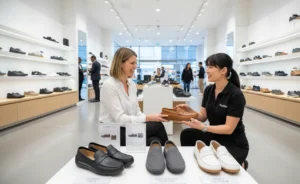
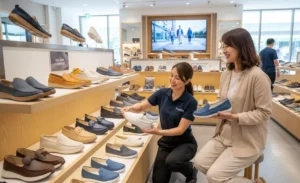
🏪 Practical Store Example
- A customer visited the store searching for office-appropriate shoes.
- After trying top-grain leather Oxfords, they were impressed by the soft feel and polished look.
- With a simple care routine—brushing after use and occasional protective spray—the shoes looked new even after months of daily wear.
Expert Advice for Buyers
- Look for even, smooth grain and subtle natural markings; these indicate genuine top-grain leather.
- Avoid shoes that feel too stiff or synthetic—they may be corrected or bonded leather.
- Consider neutral colors like brown, black, or tan for maximum versatility in your wardrobe.
🌟 Takeaway
Top-grain leather shoes are more than stylish—they’re a smart, long-lasting investment. With proper care and the right choice, they offer elegance, comfort, and durability for men, women, and even teens.
Top-Grain Leather Uncovered: Essential Facts for Every Buyer
What is Top-Grain Leather?
- Made from the outer layer of animal hide, slightly sanded to remove natural imperfections.
- Smooth finish gives a polished, uniform appearance, ideal for dress shoes and formal paduka.
- Retains strength, flexibility, and breathability compared to synthetic alternatives.
Key Characteristics
- Smooth Texture: Even surface with minimal blemishes.
- Durable Yet Flexible: Can withstand daily wear while molding comfortably to your feet.
- Easily Maintained: Accepts polishes and protective sprays better than full-grain leather.
- Elegant Appearance: Perfect for office, events, and formal outings.
Practical Tips for Buyers
- Check the grain: Look for a natural, fine texture.
- Touch test: Genuine top-grain feels soft yet firm, not plasticky.
- Flex test: Bend the shoe slightly; it should return to shape without cracks.
- Color consistency: Slight variations are natural; overly uniform surfaces may indicate synthetic coating.
🏪 Example from the Store
- A customer was confused between top-grain and corrected leather shoes.
- We demonstrated texture, flexibility, and polish absorption.
- The customer chose top-grain leather loafers, which stayed elegant and comfortable even after months of use.
Top-Grain vs Other Leather Types: Understanding the Difference in Juta
| Feature | Top-Grain Leather | Full-Grain Leather | Corrected/Calf Leather |
|---|---|---|---|
| Surface | Sanded for smooth finish | Natural, unaltered | Sanded + coated to hide flaws |
| Durability | High, withstands daily wear | Very high, strongest | Moderate, less durable |
| Appearance | Polished, uniform | Rich, natural patina | Perfectly uniform, less natural |
| Maintenance | Easy to polish and clean | Needs more careful care | Easy but less luxurious |
| Price | Mid to high | High | Low to mid |
| Best Use | Dress shoes, loafers, boots | Premium, luxury shoes | Budget-friendly shoes |
🏪 Practical Tips & Store Insight
- Choose top-grain leather for a balance of style, durability, and price.
- Full-grain leather is ideal if you want luxury, long-term investment shoes.
- Corrected leather works for short-term, casual use but may wear faster.
- Inspect leather texture, flexibility, and polish absorption. Rotate shoes and use shoe trees to maintain shape.
🌟 Takeaway
Understanding leather types helps you choose shoes, juta, or paduka that match your style, comfort, and budget without compromise. Top-grain leather offers the perfect balance of elegance, durability, and practicality for smart buyers.
Benefits of Top-Grain Leather Shoes: Comfort, Style & Durability
Top-grain leather shoes, juta, or paduka are popular because they combine elegance with practicality. From my years in the shoe industry, I’ve seen that buyers often overlook the unique benefits of this leather type.
Key Benefits
1️⃣ Comfortable Fit
- Soft, flexible leather molds to your feet over time.
- Reduces break-in pain compared to synthetic materials.
- Ideal for office wear, business events, or long walks.
2️⃣ Stylish Appearance
- Smooth, polished surface gives a premium look.
- Works for loafers, Oxfords, dress boots, and even semi-formal paduka.
- Complements formal attire, business casual, and even smart casual outfits.
3️⃣ Durability & Longevity
- High-quality top-grain leather can last years with proper care.
- Resistant to minor scuffs and maintains shape over time.
- Can handle daily wear better than corrected or synthetic leather.
4️⃣ Ease of Maintenance
- Accepts polish, protective sprays, and brushes easily.
- Small stains can be removed with a soft brush or cloth.
5️⃣ Versatility
- Suitable for men, women, and teens.
- Neutral colors like brown, black, or tan work for multiple occasions.
🏪 Practical Store Example
- A customer wanted shoes for office and weekend meetings.
- We suggested top-grain leather loafers, explaining their softness, polished look, and easy care.
- After 6 months, the shoes still looked elegant with minimal maintenance, proving value for money.
Expert Tips for Buyers
- Prioritize softness, smooth texture, and polish absorption when choosing top-grain leather.
- Rotate shoes daily to maintain shape and extend lifespan.
- Use quality insoles for extra comfort if you walk a lot.
🌟 Takeaway
Top-grain leather shoes offer the perfect mix of comfort, style, and durability, making them a smart choice for everyday elegance.
Common Misconceptions About Top-Grain Leather Paduka
Misconception 1: Less Durable Than Full-Grain
- Truth: While full-grain is slightly stronger, top-grain leather is still highly durable for daily use.
- Proper care—brushing, polishing, and storage—can make top-grain shoes last years without issues.
Misconception 2: Doesn’t Look Premium
- Truth: Smooth, polished surface gives shoes a luxury appearance, perfect for office, formal events, or casual outings.
Misconception 3: Hard to Maintain
- Truth: Easier to clean than full-grain; minor stains can be removed with a soft brush, and polishing is simple.
Misconception 4: Expensive Shoes Always Mean Full-Grain
- Truth: Many high-quality top-grain leather shoes are priced reasonably and provide excellent comfort and style, sometimes better suited for daily wear than stiff full-grain shoes.
🏪 Store Example
- A customer believed top-grain leather loafers were low quality.
- We demonstrated texture, polish absorption, and flexibility, showing they were comfortable, elegant, and durable.
- The customer left satisfied with long-term value and style.
Expert Tips
- Always check texture, flexibility, and polish absorption before purchase.
- Price alone doesn’t determine quality; material and craftsmanship matter most.
- For teens or office-goers, top-grain leather is often the smarter daily-wear choice.
🌟 Takeaway
Many misconceptions about top-grain leather paduka are myths. With proper knowledge, you can choose stylish, durable shoes confidently, avoiding unnecessary spending.
How to Spot Genuine Top-Grain Leather Shoes
Buying genuine top-grain leather shoes, juta, or paduka can be tricky if you’re not familiar with the material. From my years in the store, many customers initially mistake corrected or synthetic leather for top-grain. Here’s a practical guide to identify authenticity.
1️⃣ Check the Surface Texture
- Genuine top-grain leather is smooth, polished, and slightly supple.
- Minor natural markings or subtle variations are normal; perfectly uniform surfaces may indicate synthetic or corrected leather.
2️⃣ Touch Test
- Run your fingers across the leather. Genuine top-grain should feel soft, yet firm and flexible.
- Synthetic leather often feels plastic-like or overly smooth.
3️⃣ Bend and Flex Test
- Gently bend the shoe. Real top-grain returns to its shape quickly without cracking.
- Watch for unnatural creases or stiffness—these are signs of inferior leather.
4️⃣ Smell Test
- Genuine leather has a mild, natural aroma.
- Strong chemical or plastic-like smells usually indicate synthetic or treated leather.
5️⃣ Edge Inspection
- Examine the cut edges. Genuine top-grain leather usually shows a fibrous, natural texture.
- Plastic-coated or perfectly smooth edges may indicate fake or corrected leather.
🏪 Practical Store Example
- A customer was comparing two dress shoes: one top-grain, one corrected leather.
- We performed touch, flex, and edge checks.
- The difference was obvious: the top-grain shoe felt softer, returned to shape naturally, and absorbed polish evenly, proving authenticity.
Expert Tips for Buyers
- Check the texture, flexibility, and natural markings carefully.
- Smell the leather; genuine top-grain has a pleasant mild leather scent.
- When in doubt, ask for brand authenticity certificates or trusted store recommendations.
🌟 Takeaway
Knowing how to spot genuine top-grain leather ensures you buy shoes, juta, or paduka that are comfortable, durable, and stylish, saving money and avoiding low-quality imitations.
Expert Care Guide: Maintaining Your Top-Grain Leather Juta
Step-by-Step Care Routine
- Regular Cleaning: Use a soft brush or cloth to remove dust and dirt after each use. Avoid water; if shoes get wet, blot and air dry.
- Polishing & Conditioning: Apply high-quality polish matching the leather color. Circular motion for even coverage. Optional: leather conditioner monthly.
- Protection: Spray water and stain repellent before first use; reapply monthly. Avoid puddles, mud, and harsh chemicals.
- Proper Storage: Use shoe trees, store in breathable bags or boxes, away from sunlight and humidity, and rotate shoes regularly.
- Quick Problem Fixes: Minor scuffs—soft cloth or polish; stains—special leather cleaners; creases—insert shoe trees overnight.
🏪 Practical Store Example
- A customer had top-grain leather Oxfords that looked dull after 3 months.
- Following a simple routine—brushing, polish, and shoe tree storage—the shoes regained shine and shape, lasting over a year with daily wear.
🌟 Takeaway
With a simple, consistent care routine, top-grain leather shoes, juta, or paduka stay stylish, comfortable, and durable for years.
Solving Everyday Problems with Top-Grain Leather Shoes
Common Problems & Quick Solutions
- Scuffs & Minor Scratches: Buff gently with cloth or polish; deeper scratches—matching color polish or conditioner.
- Water Spots: Blot immediately, air dry naturally, then brush and polish.
- Creases from Daily Use: Insert shoe trees overnight; brush gently to restore smoothness.
- Odor & Sweat Issues: Use coconut or activated charcoal insoles; let shoes air out; avoid wearing same pair consecutively.
- Loss of Shine: Regular polishing and conditioning; avoid cheap polish that may dull leather.
🏪 Practical Store Example
- A customer returned top-grain leather loafers with slight creases and dullness.
- Following brushing, polish, and shoe tree storage, the shoes looked as good as new within minutes.
- They appreciated easy, effective solutions without replacing shoes.
Expert Tips for Buyers
- Keep a mini shoe care kit for quick fixes on the go.
- Rotate shoes and allow them to rest 24 hours between wears.
- Always use products made specifically for top-grain leather.
🌟 Takeaway
Most daily issues with top-grain leather shoes are easy to fix with simple, timely actions, keeping your shoes, juta, or paduka looking elegant and lasting longer.
Top-Grain Leather Shoes: Comfort, Style & Durability
Top-grain leather shoes, juta, or paduka combine elegance with practicality. Buyers often overlook the unique benefits of this leather type. Here’s a detailed guide based on real store experience.
Key Benefits
- Comfortable Fit: Soft, flexible leather molds to your feet over time, reduces break-in pain, ideal for office wear, business events, or long walks.
- Stylish Appearance: Smooth, polished surface works for loafers, Oxfords, dress boots, and semi-formal paduka. Complements formal and smart casual outfits.
- Durability & Longevity: High-quality top-grain leather lasts years, resists minor scuffs, and maintains shape over time.
- Ease of Maintenance: Accepts polish, protective sprays, and brushes easily. Small stains can be removed quickly.
- Versatility: Suitable for men, women, and teens. Neutral colors like brown, black, or tan work for multiple occasions.
🏪 Practical Store Example
- A customer wanted shoes for office and weekend meetings.
- We suggested top-grain leather loafers, explaining softness, polished look, and easy care.
- After 6 months, the shoes still looked elegant, proving value for money.
🌟 Takeaway
Top-grain leather shoes offer the perfect mix of comfort, style, and durability, making them a smart choice for everyday elegance.
Common Misconceptions About Top-Grain Leather
- Less Durable than Full-Grain: Still highly durable for daily use; proper care extends life for years.
- Not Premium: Smooth, polished surface provides a luxury appearance suitable for office, formal events, or casual outings.
- Hard to Maintain: Easier to clean than full-grain; minor stains removed with soft brush, polishing is simple.
- Expensive Means Full-Grain: High-quality top-grain shoes are reasonably priced, often better for daily wear than stiff full-grain shoes.
🏪 Practical Store Example
- A customer thought top-grain loafers were low quality.
- We demonstrated texture, polish absorption, and flexibility, proving comfort and durability.
How to Spot Genuine Top-Grain Leather Shoes
- Surface Texture: Smooth, polished, slightly supple. Minor natural markings are normal.
- Touch Test: Should feel soft yet firm. Avoid plastic-like surfaces.
- Bend & Flex: Returns to shape quickly without cracking.
- Smell: Mild natural leather aroma; strong chemical smells indicate synthetic.
- Edge Inspection: Fibrous, natural texture; perfectly smooth edges may indicate fake leather.
🏪 Practical Store Example
- Customer compared top-grain vs corrected leather shoes.
- Touch, flex, and edge tests confirmed top-grain’s softness, polish absorption, and flexibility.
Expert Care Guide
- Cleaning: Soft brush or cloth after each use. Avoid soaking; blot wet shoes and air dry.
- Polish & Conditioning: Apply matching color polish; circular motions; optional leather conditioner monthly.
- Protection: Water/stain repellent before first use; reapply monthly.
- Storage: Use shoe trees, breathable bags, avoid sunlight and humidity, rotate shoes regularly.
- Quick Fixes: Minor scuffs—soft cloth or polish; stains—leather cleaner; creases—shoe trees overnight.
🏪 Practical Store Example
- Customer’s dull Oxfords regained shine and shape after following brushing, polish, and shoe tree storage routine.
Top-Grain Leather Across Styles
- Loafers: Office and semi-formal. Soft leather molds quickly; polished look. Tip: Neutral colors.
- Oxfords: Formal events, meetings, weddings. Classic refined finish; shine regularly.
- Dress Boots: Office winter wear, smart casual. Flexible, resists scuffs; waterproof spray recommended.
- Semi-Formal Paduka/Slip-Ons: Daily office wear; smooth and comfortable; rotate with other shoes.
🏪 Practical Store Example
- Customer wanted elegant office shoes; we recommended loafers for daily wear, Oxfords for formal events.
- Both pairs remained polished, comfortable, and durable after months of use.
Price vs Quality
- Top-grain leather costs more than synthetic or corrected leather, but lasts years with proper care.
| Factor | Top-Grain Leather Shoes | Synthetic/Corrected Leather |
|---|---|---|
| Durability | High (years of wear) | Moderate (1-2 years) |
| Appearance | Elegant, polished | Can dull quickly |
| Comfort | Soft, molds to feet | Often stiff, less flexible |
| Maintenance | Easy, restores shine | Tricky, artificial finish |
| Long-Term Value | Excellent | Low |
🏪 Practical Store Example
- Customer hesitated on top-grain loafers; comparing synthetic vs top-grain in comfort, polish, and longevity, they chose top-grain.
Smart Buying Tips
- Know Your Purpose: Office—Oxfords/loafers/slip-ons; Casual—loafers/semi-formal paduka; Special occasions—polished Oxfords/dress boots.
- Check Leather Quality: Smooth, flexible, soft; avoid overly shiny synthetic finishes; check edges, texture, and grain.
- Fit and Comfort: Try both shoes; check toe room, heel fit, arch support; consider insoles for long walks.
- Color & Style: Neutral colors; classic styles over trendy designs.
- Price vs Longevity: Higher upfront cost is justified if shoes last years.
- Inspect Finishing & Stitching: Even stitching and clean seams indicate quality craftsmanship.
🏪 Practical Store Example
- Customer wanted office shoes also suitable for casual events; guided to top-grain loafers with neutral colors and durability.
🌟 Takeaway
Following smart buying tips ensures you pick top-grain leather shoes, juta, or paduka that are comfortable, durable, and stylish, giving excellent long-term value.
Conclusion: Top-Grain Leather Shoes – A Blend of Elegance & Practicality
- Elegant Appearance: Smooth, polished leather enhances your look.
- Durability: Lasts years with proper care, reducing frequent replacements.
- Comfort: Soft leather molds to your feet.
- Versatility: Works across Oxfords, loafers, boots, and paduka.
- Ease of Maintenance: Cleaning, polishing, and conditioning keep shoes premium.
Expert advice: verify authenticity, choose classic styles and neutral colors, follow regular care routines. Investing in top-grain leather shoes is practical, stylish, and provides long-term value for men, women, and teens worldwide.
🌟 Final Word
With proper care, your top-grain leather shoes or paduka will stay polished, comfortable,
FAQ – Top-Grain Leather
1. What makes top-grain leather different from full-grain leather?
Top-grain leather is sanded to remove natural imperfections, giving a smooth and polished surface.
Full-grain leather retains all natural markings, making it slightly more durable, but less uniform in appearance.
2. Are top-grain leather shoes comfortable for daily use?
Yes, they are soft, flexible, and mold to your feet quickly.
Ideal for office, casual outings, and long walks with proper insoles.
3. How do I know if my top-grain leather shoes are genuine?
Check texture, grain, flexibility, edges, and leather smell.
Soft, firm, and slightly supple leather with mild natural scent indicates authenticity.
4. Can top-grain leather shoes get wet?
Light rain or splashes are okay.
Blot with a dry cloth, air dry naturally, and polish afterward.
Avoid puddles and heavy water exposure.
5. How should I clean and polish my top-grain leather shoes?
Remove dust with a soft brush or cloth.
Apply matching color polish in circular motion.
Condition leather once a month to maintain softness.
6. Do top-grain leather shoes require rotation?
Yes, rotating shoes daily helps retain shape and reduces wear.
Use shoe trees overnight to maintain creases and flexibility.
7. Are top-grain leather shoes worth the higher price?
Absolutely, they offer long-term value, durability, and elegance compared to synthetic or corrected leather.
Proper care ensures years of reliable use.
8. What styles are best in top-grain leather?
Loafers, Oxfords, dress boots, and semi-formal paduka.
Neutral colors like black, brown, or tan are most versatile.
9. How do I fix scuffs or scratches on top-grain leather shoes?
Buff gently with a soft cloth.
Use matching polish or leather conditioner for deeper scratches.
10. Can top-grain leather shoes be used for travel or heavy walking?
Yes, if fitted with quality insoles and properly broken in.
Rotate with other shoes to prevent overuse.
11. How do I store top-grain leather shoes for longevity?
Keep in breathable bags or boxes, away from sunlight and humidity.
Insert shoe trees to maintain shape.
12. How often should I polish top-grain leather shoes?
Weekly or bi-weekly, depending on use.
Regular polishing maintains shine, prevents cracking, and protects leather.
13. Are top-grain leather shoes good for all climates?
Yes, but avoid excess moisture or extreme heat.
In humid areas, air dry shoes after wear to prevent mildew.
14. Can kids or teenagers wear top-grain leather shoes comfortably?
Yes, they provide softness and flexibility for growing feet.
Choose neutral colors and classic styles for school, formal events, or casual outings.