Best Shoes for Medical Professionals 2026 – Expert Guide
Best Shoes for Medical Professionals – Expert Shoe Seller’s Guide 2026 Best Shoes for Medical Professionals – Expert Shoe Seller’s...
Read More →

Foam is one of the most important materials in today’s shoe industry. It directly affects comfort, support, and durability. Two of the most popular types are PU foam and memory foam, each with its own benefits and drawbacks.
Customers often ask in stores: “Which one is better for everyday walking or sports?” The answer depends on your needs, lifestyle, and personal comfort preference.
Why Foam Matters:
I’ve seen countless customers compare shoes with PU foam and memory foam. Often, memory foam shoes feel immediately softer, but PU foam shoes hold their shape longer.
Many parents and travelers rely on these observations to make practical choices for long-term comfort.
In this article, we’ll explore PU foam vs memory foam, including durability, comfort, breathability, best uses, maintenance, and cost-effectiveness, helping you make an informed choice for your next shoe purchase.
PU (Polyurethane) foam is one of the most widely used materials in shoes. It is lightweight, durable, and versatile, making it ideal for casual, sports, and work shoes.
Key Features of PU Foam:
Benefits for Shoe Wearers:
A customer shopping for office and casual shoes asked: “I want something durable but soft enough for long hours.” We recommended PU foam shoes.
After a month, she returned saying: “They still feel comfortable, and the soles haven’t flattened at all!”
Memory foam is a viscoelastic material that molds to your feet, offering personalized cushioning and comfort. Unlike PU foam, it adapts to your foot shape, which can be a game-changer for long hours of standing or walking.
Key Features of Memory Foam:
Benefits for Shoe Wearers:
A customer tried both PU foam and memory foam shoes. She said: “Memory foam feels so soft right away! It’s like it’s made just for my feet.”
For her daily walks and office hours, the memory foam shoe reduced fatigue noticeably.
Durability is a key factor when choosing shoes. Many customers in my store ask: “Will memory foam last as long as PU foam?” Let’s break it down.
Durability Overview:
| Feature | PU Foam | Memory Foam |
|---|---|---|
| Lifespan | Longer – retains shape for years | Moderate – may compress faster under heavy use |
| Compression Resistance | High – bounces back quickly | Moderate – softens over time |
| Daily Wear Handling | Excellent – ideal for school, office, casual wear | Good – best for light daily wear and walking |
| Sports/Heavy Activity | Suitable for moderate sports | Less ideal for high-impact sports |
| Maintenance | Easy – resists wear & tear | Requires gentle care, avoid wet environments |
📱 Swipe left/right to view full table on mobile
A parent bought memory foam shoes for her child’s casual school shoes. After 8 months, the shoes were still comfortable but slightly compressed at the heel.
In contrast, a PU foam pair for daily office wear maintained its firmness almost unchanged.
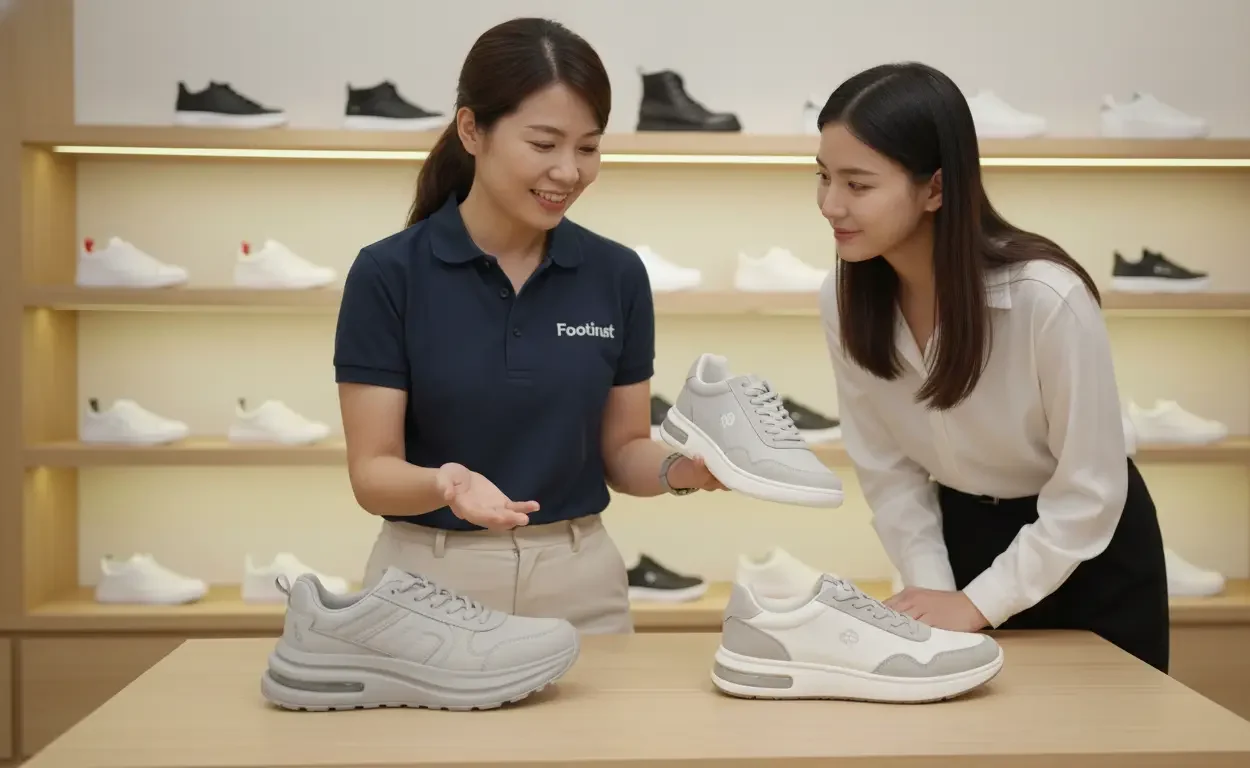
Comfort is often the top priority when choosing shoes. Many visitors in my store say: “I don’t care much about price, I just want my feet to feel great all day.”
Comfort Comparison:
| Feature | PU Foam | Memory Foam |
|---|---|---|
| Initial Softness | Moderate – slightly firm | Very soft – molds to foot shape |
| Pressure Relief | Good – even cushioning | Excellent – reduces pressure on heels & arches |
| All-Day Comfort | Supports long hours well | Extremely comfortable for sitting, walking, and light activity |
| Foot Fatigue | Minimal with quality PU | Minimal for most users, best for light activity |
📱 Swipe left/right to view full table on mobile
A customer who works 10–12 hours on her feet tried both types. She said: “Memory foam feels amazing right away, but after a full day, PU foam still supported my feet better for long walks.”
One common issue many customers face is foot overheating during long walks or hot climates. Breathability and heat retention differ significantly between PU foam and memory foam shoes.
Breathability Comparison:
| Feature | PU Foam | Memory Foam |
|---|---|---|
| Airflow | Moderate – standard ventilation depends on shoe design | Good – molds to foot but can trap heat if ventilation is poor |
| Moisture Management | Average – may retain sweat in closed shoes | Better with perforated designs, but still needs socks for comfort |
| Heat Retention | Less heat buildup – good for warm climates | Can feel warmer if shoes are fully enclosed |
📱 Swipe left/right to view full table on mobile
A traveler once complained: “Memory foam shoes were soft, but my feet felt hot after a few hours in tropical weather.” We recommended mesh memory foam shoes, which improved comfort drastically.
Choosing between PU foam and memory foam depends a lot on how and where you plan to use the shoes.
Recommended Uses:
A parent shopping for her teenager’s school shoes asked: “I want shoes that are comfortable for class hours but still last the semester.”
We recommended PU foam shoes for durability with moderate comfort. For casual weekend wear, memory foam sneakers were perfect.
Both PU foam and memory foam shoes require proper care to ensure long-lasting comfort and durability.
Step-by-Step Maintenance Tips:
Many travelers and office-goers in my store extend the lifespan of memory foam shoes by alternating pairs and proper drying, often keeping shoes comfortable for over a year.
Over my 20+ years in shoe retail, certain questions about PU foam and memory foam shoes come up repeatedly. Here’s a practical guide to help you shop smarter.
Common Questions & Answers:
Many customers ask in-store: “Memory foam feels amazing, but is it worth the extra cost compared to PU foam?” Let’s break it down.
Price Comparison:
| Feature | PU Foam | Memory Foam |
|---|---|---|
| Average Price | Affordable | Slightly higher |
| Durability | High – long-lasting | Moderate – compresses faster |
| Comfort | Good | Excellent – soft, molds to foot |
| Replacement Frequency | Less frequent | Might need replacement sooner with heavy use |
| Value Over Time | High – lasts multiple seasons | Good for light, casual use |
📱 Swipe left/right to view full table on mobile
A traveler once said: “I bought memory foam shoes for city sightseeing and PU foam for daily office use. It cost a bit more upfront, but I saved money in the long run because I didn’t wear out any pair too quickly.”
Environmental awareness is growing, and many customers ask: “Are foam shoes eco-friendly?” Here’s what you need to know about PU foam and memory foam.
Environmental Considerations:
| Feature | PU Foam | Memory Foam |
|---|---|---|
| Material | Synthetic polyurethane | Viscoelastic foam, mostly synthetic |
| Recyclability | Limited – specialized programs needed | Limited – can be recycled in some programs |
| Lifespan | Longer – reduces frequent disposal | Moderate – shorter lifespan may increase waste |
| Sustainability Tips | Choose recycled PU or eco-labeled options | Rotate and maintain shoes to extend lifespan |
📱 Swipe left/right to view full table on mobile
A frequent customer chose PU foam shoes over memory foam for everyday office use because they lasted longer, reducing her need to buy replacements frequently. She said: “I feel better knowing my shoes won’t end up in the trash quickly.”
Choosing between PU foam and memory foam shoes depends on your lifestyle, comfort needs, and usage patterns. Both have unique advantages: durability, comfort, and versatility.
Many parents, travelers, and office-goers have successfully combined both: PU foam for long walks and work, memory foam for relaxed, short-term comfort. This approach maximizes both comfort and value.
Final Advice: Test shoes in-store, consider your activity level, and prioritize foot health. With the right foam choice, your feet will stay supported, comfortable, and happy for years.
PU foam is more durable and retains support over long hours, making it ideal for office wear, school use, and daily walking.
Yes. Memory foam molds to the contours of your feet, offering personalized cushioning for heel, arch, and toe areas.
They compress faster than PU foam, but high-quality memory foam returns to its original shape with proper rotation and care.
Both absorb impact, but memory foam offers superior pressure relief, reducing foot fatigue during light to moderate activities.
Yes. PU foam shoes work well for walking, gym workouts, and light running because of their resilient and stable structure.
PU foam generally stays cooler. Memory foam can trap heat, so breathable uppers or perforated designs are better for tropical climates.
PU foam is low-maintenance and more water-resistant. Memory foam needs gentle cleaning and air-drying to maintain softness.
Yes. PU foam supports active play and growing feet, while memory foam is better for casual comfort and short walks.
Memory foam reduces pressure points and friction, lowering blister risk. PU foam provides even cushioning to reduce foot fatigue.
Both are synthetic, but recycled PU foam or eco-labeled memory foam reduces environmental impact. Long-term use also improves sustainability.
Yes. Memory foam is excellent for long flights and sightseeing, while PU foam performs better on uneven surfaces and long walking days.
Walk a few steps, check heel grip and arch support, and press the insole to see how the foam rebounds. Balance comfort with support.
Not recommended. PU foam or specialized sports soles offer better durability and shock absorption for running or court sports.
Absolutely. PU foam provides long-term durability, while memory foam delivers instant comfort. Choosing based on lifestyle ensures better foot health and value.