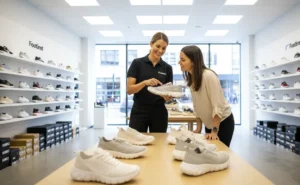
Pros and Cons of Synthetic Materials: Sandals and Shoes – Shoe Seller Guide
Why Understanding Synthetic Footwear Matters
Synthetic footwear has become hugely popular worldwide, and for good reasons. From casual sandals to everyday shoes, synthetic materials like PU, PVC, EVA, and rubber dominate the market because they are affordable, lightweight, and available in endless colors and designs. Customers often choose synthetic shoes for their trendiness and low maintenance, but many don’t realize that every material has its advantages and limitations.
Real Store Problems Customers Face
From my years of experience as a footwear seller, I’ve noticed common problems shoppers face when buying synthetic shoes:
- Sweating and Odor: Unlike natural leather, synthetic materials may not breathe well, leading to sweaty feet and odor after long use.
- Durability Concerns: Low-quality synthetic shoes can tear, crease, or lose shape faster than leather, especially if worn daily.
- Comfort Issues: Some synthetic shoes feel stiff initially, causing blisters or discomfort.
- Appearance vs. Expectation: Customers sometimes buy low-quality synthetics expecting premium looks, only to be disappointed with a cheap appearance.
Problem-Solving Approach
- Know the material: PU, PVC, EVA, or rubber each behave differently. Knowing the type helps you predict comfort and durability.
- Match the shoe to your lifestyle: Daily walking, office use, travel, or occasional wear—all need different types of synthetic shoes.
- Check quality: Even synthetics vary in thickness, flexibility, and finish. Invest a little more in quality to avoid early wear or odor problems.
Expert Seller Tip:
"Synthetic shoes are fantastic for style, affordability, and low maintenance, but knowing the material and its limits is the secret to avoiding discomfort, odor, and premature wear."
What are Synthetic Materials in Footwear?
Synthetic footwear is made from man-made materials designed to imitate leather or provide lightweight, flexible alternatives for shoes and sandals. These materials are widely used because they are affordable, water-resistant, and easy to maintain, making them popular worldwide.
Common Synthetic Materials
1. PU (Polyurethane) Leather
- Pros: Soft, flexible, lightweight, often shiny, affordable.
- Cons: Less breathable than real leather; can wear out faster if low-quality.
- Real Store Tip: PU shoes are perfect for office or casual daily use but not ideal for extremely hot or wet climates.
2. PVC (Polyvinyl Chloride)
- Pros: Waterproof, very durable, easy to clean.
- Cons: Stiff initially; less comfortable until broken in.
- Real Store Tip: PVC is great for rain shoes, outdoor sandals, or casual wear, but check for flexibility before buying.
3. EVA (Ethylene Vinyl Acetate)
- Pros: Lightweight, soft, shock-absorbing, ideal for casual sandals or sports shoes.
- Cons: Can compress over time; may lose shape with heavy use.
- Real Store Tip: EVA is excellent for kids’ shoes or summer sandals due to comfort and light weight.
4. Rubber
- Pros: Extremely durable, slip-resistant, waterproof.
- Cons: Heavier; can feel less stylish or stiff initially.
- Real Store Tip: Rubber soles or sandals are best for outdoor use, beachwear, or rainy conditions.
Synthetic vs. Natural Leather
| Feature | Synthetic Materials | Natural Leather |
|---|---|---|
| Breathability | Moderate to low | High |
| Durability | Moderate, depends on quality | High |
| Maintenance | Easy | Requires polish & care |
| Cost | Affordable | Expensive |
| Variety | Wide color & design options | Limited natural shades |
📱 Swipe left/right to view full table on mobile
Expert Seller Tip:
"Knowing the type of synthetic material helps you choose shoes that match your lifestyle. PU for style, PVC for water resistance, EVA for comfort, and rubber for outdoor durability."
Good Sides of Synthetic Footwear
Synthetic shoes and sandals offer several advantages that make them a popular choice worldwide. From my experience as a footwear seller, customers often choose synthetic for affordability, style, and convenience, but many don’t realize just how practical these shoes can be.
1. Durability and Water Resistance
- Problem: Customers often worry about shoes getting damaged in rain or humid areas.
- Solution: Most synthetic materials like PVC and rubber are water-resistant and can withstand wet conditions better than untreated leather.
- Real Store Tip: Perfect for beachwear, rainy seasons, or daily casual use without worrying about water damage.
2. Lightweight and Flexible
- Problem: Heavy shoes can cause fatigue during long walks or travel.
- Solution: Synthetic materials like PU and EVA are extremely lightweight and flexible, allowing comfortable movement for hours.
- Real Store Tip: Ideal for travel, walking, and casual summer sandals where comfort is a priority.
3. Affordable Price
- Problem: High-quality leather shoes are expensive and not everyone can invest in them.
- Solution: Synthetic footwear offers budget-friendly options without compromising too much on style or durability.
- Real Store Tip: Good choice for students, young adults, or anyone looking for stylish shoes on a budget.
4. Variety in Design and Color
- Problem: Leather shoes come in limited shades and designs.
- Solution: Synthetic materials can be produced in vibrant colors, patterns, and textures, allowing more fashionable options.
- Real Store Tip: Customers love synthetic shoes for trendier looks or to match seasonal outfits.
5. Low Maintenance
- Problem: Leather shoes need regular polishing and conditioning.
- Solution: Synthetic shoes are easy to clean, often requiring just a damp cloth and mild soap. No polish or conditioners needed.
- Real Store Tip: Perfect for busy professionals, travelers, or anyone who prefers hassle-free footwear.
Expert Seller Tip:
"Synthetic shoes are practical, stylish, and budget-friendly. For everyday wear, casual outings, or travel, their durability and low maintenance make them a reliable choice."
Bad Sides of Synthetic Shoes
While synthetic shoes and sandals offer many advantages, they also have some limitations that every buyer should know. Understanding these drawbacks helps you make an informed choice and avoid common problems in real store experience.
1. Breathability Issues
- Problem: Synthetic materials like PU and PVC do not breathe as well as leather.
- Effect: Feet may sweat, especially in hot or humid climates, causing discomfort and odor.
- Solution: Choose synthetic shoes with perforations or mesh panels, or pair them with moisture-wicking socks.
2. Less Durable Than Premium Leather
- Problem: Cheap synthetic shoes can tear, crease, or lose shape faster than high-quality leather.
- Effect: Daily use may reduce lifespan significantly if low-quality materials are chosen.
- Solution: Invest in quality PU or rubber synthetics rather than ultra-cheap options.
3. Can Look Cheap If Low-Quality
- Problem: Some synthetic shoes appear glossy, plastic-like, or cheap.
- Effect: Doesn’t give a premium look; may not be suitable for formal or professional settings.
- Solution

Tips to Maximize Synthetic Shoe Life
Synthetic shoes and sandals are practical and affordable, but proper care and usage can significantly extend their lifespan. From my years of experience in the footwear industry, here are proven tips that help your synthetic footwear stay comfortable, durable, and stylish.
1. Clean Regularly
- Problem: Dirt and dust accumulate, making shoes look old and unhygienic.
- Solution: Wipe shoes with a damp cloth or mild soap. Avoid harsh chemicals that can damage the synthetic material.
- Tip: For EVA or rubber sandals, a quick rinse with water is usually sufficient.
2. Avoid Prolonged Sun or Heat Exposure
- Problem: Synthetic materials can warp, fade, or crack if left in direct sunlight or near heat sources.
- Solution: Store shoes in a ventilated area away from direct sunlight or heaters.
3. Rotate Your Footwear
- Problem: Wearing the same pair every day increases wear and odor.
- Solution: Keep at least 2–3 pairs in rotation. Allow shoes to rest between wears to maintain shape and freshness.
4. Use Quality Synthetic Shoes
- Problem: Cheap synthetic shoes often tear or lose shape quickly.
- Solution: Invest in higher-quality PU, PVC, EVA, or rubber shoes. Small extra cost upfront saves money and frustration in the long run.
5. Store Properly
- Problem: Poor storage leads to creases, odor, or deformation.
- Solution: Use shoe racks or ventilated boxes. For PU or EVA shoes, you can even stuff them lightly with tissue paper to maintain shape.
6. Break-In Gradually
- Problem: New synthetic shoes may feel stiff initially.
- Solution: Wear new shoes for short periods at first, gradually increasing duration to allow material to adjust to your feet.
Expert Seller Tip:
"Even the most affordable synthetic shoes can last months or years if cleaned, rotated, and stored properly. A little care goes a long way in keeping your shoes comfortable and stylish."
Choosing the Right Synthetic Footwear for You
Selecting the perfect synthetic shoes or sandals isn’t just about style—it’s about matching your shoes to your lifestyle, comfort needs, and environment. From my experience as a footwear seller, many customers make mistakes by buying trendy shoes that don’t fit their daily use, causing discomfort or early wear.
1. Consider Your Purpose
- Daily Walking or Travel: Look for lightweight EVA or PU shoes with flexible soles. Comfortable, breathable, and easy to clean.
- Outdoor or Rain Use: PVC or rubber shoes are water-resistant and durable, ideal for slippery or wet surfaces.
- Casual Fashion: PU shoes offer style and variety, perfect for outings or casual events.
2. Check the Material Quality
- Problem: Not all synthetics are equal; cheap material wears out quickly.
- Solution: Inspect thickness, flexibility, and stitching. Invest in high-quality PU, PVC, or EVA for long-lasting performance.
3. Match Your Foot Type
- Wide feet: Look for flexible, soft synthetic materials like EVA or PU.
- Narrow feet: Choose structured synthetics like PVC or rubber with adjustable straps or laces.
- Comfort is key—never compromise on fit.
4. Consider Climate and Environment
- Hot and humid areas: Look for ventilated synthetics or perforated designs to reduce sweating.
- Rainy or wet areas: Choose waterproof PVC or rubber shoes to prevent damage and discomfort.
5. Style and Personal Preference
- Synthetic shoes come in endless colors, patterns, and textures. Choose a pair that complements your wardrobe while balancing comfort and durability.
- Avoid ultra-cheap flashy synthetics that may look trendy but wear out fast.
Quick Material Comparison Table
| Material | Best For | Pros | Cons |
|---|---|---|---|
| PU | Daily shoes, casual sandals | Lightweight, flexible, stylish | Less breathable |
| PVC | Rain shoes, outdoor use | Waterproof, durable | Can be stiff |
| EVA | Travel, kids, summer shoes | Soft, very light | May compress over time |
| Rubber | Beach, outdoor, sports sandals | Durable, slip-resistant | Can be heavy |
📱 Swipe left/right to view full table on mobile
Expert Seller Tip:
"Matching synthetic shoes to your lifestyle and foot type ensures maximum comfort and durability. Invest a little in quality material, and your shoes will reward you with long-lasting performance and style."
Conclusion – Expert Shoe Seller’s Advice
Synthetic shoes and sandals are practical, stylish, and budget-friendly, making them a favorite choice for millions worldwide. From my years of experience in the footwear industry, I’ve seen customers enjoy the convenience and low maintenance of synthetic footwear, but also face challenges like sweating, odor, or early wear when quality or material type isn’t properly considered.
Key Takeaways:
- Understand the Material: PU, PVC, EVA, and rubber each have their unique benefits and limitations. Knowing which material suits your lifestyle is essential.
- Match Shoes to Purpose: Daily walking, outdoor use, travel, or casual outings—choosing the right type ensures comfort and durability.
- Invest in Quality: Even a slightly higher price in good synthetic shoes saves money and frustration in the long run.
- Care & Maintenance: Clean regularly, rotate your footwear, store properly, and avoid extreme heat to maximize lifespan.
- Comfort First: Always prioritize comfort and fit over style or trend to prevent blisters and foot problems.
Happy Ending Tip from an Expert Shoe Seller:
"With the right choice, proper care, and understanding of synthetic materials, your shoes can serve you for years. They are not just footwear—they are your reliable daily companion for comfort."
FAQ – Real Customer Problems About Synthetic Footwear
1. Which synthetic material is best for long-lasting sandals and shoes?
PU and high-quality PVC are usually durable, flexible, and ideal for daily wear. EVA is lightweight but may compress over time. Always check material thickness and finish.
2. Why do synthetic shoes cause my feet to sweat?
Synthetic materials like PU or PVC have limited breathability. Choose ventilated designs, perforated patterns, or pair with moisture-wicking socks.
3. Can synthetic shoes be worn in rainy or wet areas?
Yes, PVC or rubber shoes are water-resistant. Avoid prolonged soaking for PU shoes, as it may reduce their lifespan.
4. How do I clean synthetic footwear properly?
Use a damp cloth with mild soap. For EVA or rubber, a gentle rinse is enough. Avoid harsh chemicals that can damage synthetic material.
5. Are synthetic shoes comfortable for long walks?
High-quality PU, EVA, or rubber shoes are comfortable, but always break in gradually and rotate footwear to avoid discomfort.
6. How can I avoid cheap-looking synthetic shoes?
Inspect stitching, finish, and material thickness. Avoid ultra-glossy or thin low-quality synthetics, which wear out quickly and look cheap.
7. Can synthetic shoes replace leather for daily office use?
PU synthetics can be suitable for casual or semi-formal office wear. For professional formal settings, premium leather remains ideal.
8. How often should I rotate synthetic shoes?
Ideally, keep 2–3 pairs in rotation. This allows shoes to rest, maintain shape, and reduces odor buildup.
9. Why do synthetic shoes crease quickly?
Lower-quality PU or thin synthetic materials crease when stressed. Using shoe trees and breaking in gradually can minimize creasing.
10. Are PU or PVC shoes better for sports activities?
EVA is usually best for sports due to lightweight, shock-absorbing, and flexible properties. PU or PVC may be suitable for light activities but not high-impact sports.
11. How do I prevent odor in synthetic shoes?
Rotate shoes, keep them dry, use breathable socks, and store in a ventilated area. For stubborn odor, sprinkle a little baking soda inside overnight.
12. Can synthetic shoes be repaired if damaged?
Minor tears or sole issues can be repaired by cobblers, but major damage in low-quality synthetics may require replacement. Investing in higher-quality synthetics reduces this risk.