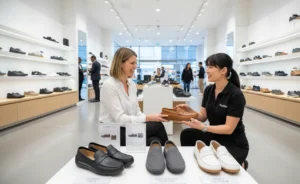
Leather Shoes Pros and Cons – Tips from an Experienced Shoe Seller
Leather shoes are not just a fashion statement—they are a long-term investment in comfort, durability, and style. From my years as a footwear seller, I’ve seen countless customers make common mistakes when buying leather shoes simply because they didn’t understand the material.
Real Store Problems I See
- “These shoes feel tight, I can’t wear them all day.” → Often caused by buying the wrong leather type without checking flexibility.
- “My expensive leather shoes cracked after just a few months.” → Happens when customers ignore care and maintenance.
- “The shoes smell even after wearing socks.” → Caused by lack of breathability or improper storage.
Why Knowledge Matters
- Choosing the Right Type: Leather comes in various grades—full-grain, top-grain, genuine, and bonded. Each type behaves differently in durability, comfort, and maintenance.
- Preventing Common Problems: Issues like creases, cracks, odor, and blisters can be avoided with proper knowledge.
- Maximizing Value: Knowledge ensures shoes last longer and look better, giving the best return on investment.
- Confidence in Your Choice: Understand leather to choose shoes for office, casual, or outdoor use confidently.
What is Leather Material?
Leather is durable, comfortable, and stylish—but not all leather is the same. Knowing the types helps you avoid cracking, stiffness, or odor problems.
Types of Leather
- Full-Grain Leather
- Description: Highest quality leather, from the top layer of hide.
- Pros: Extremely durable, ages beautifully, develops patina.
- Cons: Expensive, takes time to break in.
- Store Tip: Recommended for long-lasting, premium shoes.
- Top-Grain Leather
- Description: Slightly sanded top layer, softer than full-grain.
- Pros: Comfortable, easier to polish, good durability.
- Cons: Less resistant to scratches and wear.
- Store Tip: Ideal for office and casual wear; comfortable from day one.
- Genuine Leather
- Description: Lower-quality leather from layers below top grain.
- Pros: Affordable, looks decent initially.
- Cons: Wears out faster, less flexible, prone to creases and cracks.
- Store Tip: Good for budget shoes, expect more maintenance and shorter lifespan.
- Bonded Leather
- Description: Made from scraps mixed with glue.
- Pros: Cheapest, leather-like look.
- Cons: Poor durability, tears easily, not for daily use.
- Store Tip: Suitable only for light-use or temporary shoes.
Natural vs Synthetic Leather
- Natural Leather: Animal hides; breathable, flexible, durable.
- Synthetic Leather (PU or PVC): Man-made; cheaper, water-resistant, less breathable and durable.
Expert Seller Tip
Always ask the seller about the type of leather. Full-grain or top-grain is worth investing in; genuine or bonded is fine only for occasional use.
Good Sides of Leather Materials
- Durability and Longevity:
- High-quality leather lasts 5–10 years with proper care.
- Customer Problem Solved: Long-term use without constant replacement.
- Store Tip: Invest in quality leather shoes—they save money over time.
- Comfort and Flexibility:
- Leather molds to the foot, giving personalized comfort.
- Problem: New shoes can feel stiff, but break-in gradually.
- Expert Advice: Wear gradually with proper socks for perfect fit.
- Breathability:
- Allows air circulation, keeping feet cool and dry.
- Problem Solved: Reduces sweat and odor compared to synthetics.
- Store Tip: Ideal for long office hours or travel.
- Premium Look and Style:
- Luxury appearance suitable for formal and casual occasions.
- Problem Solved: Avoids cheap-looking alternatives that lose shape quickly.
- Store Tip: Polished leather instantly upgrades outfits and confidence.
- Long-Term Value:
- Proper care makes leather shoes cost-effective in the long run.
- Expert Advice: Rotate shoes, use shoe trees, polish regularly.
Bad Sides of Leather Materials
Leather shoes, despite their many benefits, have some downsides that buyers often overlook. Knowing these helps you avoid problems and make smarter purchases.
- Price Factor:
- Problem: High-quality leather, especially full-grain, can be expensive upfront.
- Real Store Experience: Many customers hesitate to buy premium shoes but regret cheaper alternatives wearing out quickly.
- Solution: Think of leather shoes as an investment; higher cost now saves money long-term.
- Maintenance Needs:
- Problem: Leather requires regular care—polishing, conditioning, proper storage.
- Customer Complaint: “I didn’t expect my shoes to crack or lose shine so quickly.”
- Solution: Simple routine—polish monthly, condition as needed, use shoe trees.
- Water Sensitivity:
- Problem: Leather is vulnerable to water; rain, spills, or damp conditions can damage shoes.
- Real Store Tip: Use water-repellent spray and avoid puddles; dry naturally if wet, never use direct heat.
- Breaking-in Period:
- Problem: Leather can feel stiff initially, causing blisters or discomfort.
- Customer Feedback: “These shoes hurt my feet during the first few wears.”
- Solution: Wear gradually 1–2 hours initially; leather molds to your foot over time.
- Ethical Considerations:
- Problem: Some buyers avoid animal leather for ethical or environmental reasons.
- Store Advice: Offer high-quality synthetic alternatives if needed, explain trade-offs in durability and breathability.
Real Store Advice:
“Leather shoes are fantastic if you understand their needs. Problems often arise when buyers expect maintenance-free, indestructible shoes. A little care goes a long way.”
Tips to Maximize Leather Shoe Life
- 1. Break Them in Slowly:
- Problem: Wearing new shoes all day causes blisters and discomfort.
- Solution: Start 1–2 hours, gradually increase. Walk indoors first.
- Real Store Tip: “Think of leather like a good wine—it improves with time.”
- 2. Always Wear the Right Socks:
- Problem: Synthetic or rough socks trap sweat, cause friction.
- Solution: Choose cotton or moisture-wicking socks; avoid thick seams at pressure points.
- 3. Keep Them Dry and Protected:
- Problem: Water or moisture stains, cracks, and odors.
- Solution: Use water-repellent spray; dry naturally at room temperature.
- Real Store Advice: Proper protection prevents expensive repairs or replacements.
- 4. Use Shoe Trees After Wearing:
- Problem: Shoes lose shape without support, develop creases.
- Solution: Insert cedar shoe trees to maintain shape, absorb moisture, and reduce odor.
- 5. Polish and Condition Regularly:
- Problem: Dry or neglected leather becomes stiff, dull, and cracks.
- Solution: Polish monthly; apply conditioner to maintain flexibility.
- Real Store Tip: Use circular motions and thin layers for best results.
- 6. Rotate Your Shoes:
- Problem: Wearing the same pair daily causes faster wear, odor, fatigue.
- Solution: Maintain 2–3 pairs and rotate; leather needs time to breathe.
- 7. Store Properly:
- Problem: Improper storage leads to mold, odor, deformation.
- Solution: Store in ventilated boxes/racks, avoid humidity or sunlight, use dust bags for premium leather.
- 8. Choose the Right Leather for Your Purpose:
- Problem: Wrong leather type causes discomfort or early wear.
- Solution: Full-grain for formal/long-term use; top-grain for office/casual; genuine/bonded for occasional/budget use.
Expert Seller’s Advice:
“Most leather problems are preventable. By following these simple steps—break-in, proper socks, dryness, shoe trees, polish, rotation, and storage—you can enjoy stylish, comfortable, and durable shoes for years. Leather is like a loyal companion; care for it, and it will reward you.”
Choosing the Right Leather Material for You
Choosing the right leather material is crucial for comfort, durability, and value for money. Many customers make mistakes focusing only on price or appearance, ignoring how leather behaves over time.
- 1. Consider Your Budget
- Problem: Expensive shoes scare some buyers, while cheap shoes wear out fast.
- Solution:
- Full-grain leather: Ideal for long-term investment; expensive but lasts many years.
- Top-grain leather: Balanced choice; good durability and comfort for daily office wear.
- Genuine or bonded leather: Suitable for occasional use or budget constraints, but expect faster wear.
- 2. Think About Purpose and Usage
- Problem: Using formal leather shoes for outdoor or rough conditions causes damage.
- Solution:
- Formal / Office Shoes: Full-grain or top-grain for style and comfort.
- Casual / Daily Use: Top-grain or quality genuine leather for moderate durability.
- Occasional / Budget Shoes: Bonded leather for light use only.
- 3. Climate Consideration
- Problem: Some leathers react badly to humid or rainy conditions.
- Solution:
- Humid climates: Full-grain or treated leather with water-repellent finish.
- Dry climates: Almost any leather works, but condition regularly to prevent cracks.
- 4. Comfort and Foot Shape
- Problem: Wrong leather type can cause stiffness, blisters, or poor fit.
- Solution:
- Softer leathers (top-grain) are better for sensitive feet.
- Break-in time varies; allow leather to mold to your foot gradually.
Quick Comparison Guide
| Leather Type | Best For | Pros | Cons |
|---|---|---|---|
| Full-Grain | Formal, long-term | Durable, luxurious, ages well | Expensive, longer break-in |
| Top-Grain | Office, casual | Comfortable, soft, moderate durability | Slightly less durable than full-grain |
| Genuine | Budget, occasional | Affordable | Short lifespan, needs care |
| Bonded | Temporary use | Cheap | Low durability, tears easily |
Real Store Advice:
“When customers understand their needs—budget, purpose, and comfort—they rarely regret buying leather shoes. Full-grain is excellent for investment; top-grain offers comfort and style; genuine and bonded work for short-term use. Always match leather type with your lifestyle.”
Conclusion – Seller’s Advice
- Know Your Leather: Full-grain, top-grain, genuine, or bonded—choose based on budget, purpose, and lifestyle.
- Care is Essential: Regular polishing, conditioning, using shoe trees, and keeping shoes dry keeps them looking new.
- Break-In Properly: Wear gradually and use the right socks to avoid blisters and discomfort.
- Rotate Shoes: Don’t wear the same pair every day; allow leather to rest and breathe.
- Invest Wisely: High-quality leather may cost more upfront but provides long-term value and comfort.
Happy Ending Tip:
“Leather shoes reward those who understand and care for them. With a little attention and knowledge, you can enjoy stylish, comfortable, and long-lasting footwear. Choose wisely, maintain properly, and your leather shoes will become your loyal companion for years.”
FAQ – Leather Shoes Pros and Cons
1. Which type of leather is best for long-lasting shoes?
Full-grain leather is the most durable and develops a natural patina over time. Top-grain is also good for comfort and office wear. Genuine or bonded leather is suitable only for occasional or budget-friendly use.
2. Why do my new leather shoes feel stiff and uncomfortable?
Leather needs a break-in period. Wear shoes gradually for 1–2 hours initially and use the right socks. Over time, leather molds to your foot for comfort.
3. How can I prevent my leather shoes from cracking?
Use shoe trees, polish regularly, and apply leather conditioner. Avoid storing shoes in humid places and never dry wet shoes with direct heat.
4. Are leather shoes waterproof?
No, most natural leather is not waterproof. Use water-repellent spray and avoid puddles. If shoes get wet, let them dry naturally at room temperature.
5. Do cheaper leather shoes last long?
Genuine or bonded leather is affordable but wears faster and needs more care. Investing in full-grain or top-grain leather ensures long-term durability.
6. How do I choose the right leather type for me?
Consider budget, purpose, and climate. Full-grain for investment/formal wear, top-grain for daily office use, and bonded or genuine for occasional use.
7. How often should I polish and condition leather shoes?
Polish once a month or when shoes lose shine. Condition periodically to maintain flexibility and prevent cracks.
8. Can synthetic leather replace natural leather?
Synthetic leather is cheaper, water-resistant, and low-maintenance but lacks breathability, comfort, and durability compared to natural leather.
9. Why do my leather shoes smell even with socks?
Poor breathability or moisture accumulation causes odor. Choose breathable leather, moisture-wicking socks, and store shoes in a ventilated area.
10. How do I store leather shoes properly?
Use shoe trees to maintain shape, keep shoes in ventilated boxes or racks, and avoid direct sunlight or heat. Dust bags help protect premium leather.
11. Can leather shoes be worn every day?
It’s better to rotate 2–3 pairs of shoes. Daily wear without rotation causes faster wear, odor, and loss of shape.
12. How do I fix creases in leather shoes?
Minor creases are normal. Use shoe trees after every wear, polish regularly, and for deep creases, professional shoe repair can restore shape.