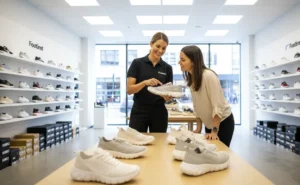
Best Shoes for Medical Professionals 2026 – Expert Guide
Best Shoes for Medical Professionals – Expert Shoe Seller’s Guide 2026 Best Shoes for Medical Professionals – Expert Shoe Seller’s...
Read More →

When it comes to children's footwear, size is more than just a number—it's about comfort, growth, and healthy foot development.
Parents often face the challenge of choosing shoes that not only look cute but also fit properly. A wrong size can cause blisters, foot pain, and even affect walking posture. On the other hand, the right size helps your child walk confidently, play actively, and grow without discomfort.
In this guide, we'll walk you through:
Whether you're shopping online or in-store, this guide will save you time, money, and stress while ensuring your child's happy feet. 🌍✨
You don't need fancy equipment to measure your child's feet. Just a piece of paper, pencil, and ruler will do the job.
Follow these steps for the most accurate results:
Finding the right shoe size for kids gets confusing because US, UK, EU, and CM sizing are not the same.
Here's a clear and parent-friendly chart that works as a quick reference:
| Age (Average) | Foot Length (cm) | US Size | UK Size | EU Size |
|---|---|---|---|---|
| 0–6 months | 9.5 – 10.5 cm | 1 – 2 | 0.5 – 1 | 16 – 17 |
| 6–12 months | 11 – 12 cm | 3 – 4 | 2 – 3 | 18 – 19 |
| 12–18 months | 12.5 – 13.5 cm | 5 – 6 | 4 – 5 | 20 – 22 |
| 2 years | 14 – 14.5 cm | 7 – 8 | 6 – 7 | 23 – 24 |
| 3 years | 15 – 15.5 cm | 8.5 – 9 | 7.5 – 8 | 25 – 26 |
| 4 years | 16 – 16.5 cm | 10 – 10.5 | 9 – 9.5 | 27 |
| 5 years | 17 – 17.5 cm | 11 – 12 | 10 – 11 | 28 – 29 |
| 6 years | 18 – 18.5 cm | 12.5 – 13 | 11.5 – 12 | 30 – 31 |
| 7–8 years | 19 – 20 cm | 1Y – 2Y | 13 – 1 | 32 – 33 |
| 9–10 years | 20.5 – 21.5 cm | 2.5Y – 3Y | 2 – 2.5 | 34 – 35 |
| 11–12 years | 22 – 23 cm | 4Y – 5Y | 3 – 4 | 36 – 37 |
| 13+ years | 23.5 – 24.5 cm | 6Y – 7Y | 5 – 6 | 38 – 39 |
📱 Swipe left/right to view full table on mobile
Children don't all grow at the same speed. Two kids of the same age may need different shoe sizes depending on their growth pattern.
This is perfectly normal. Some kids develop early, and their shoe size may be 1–2 sizes ahead of their age chart.
👉 That's why parents should focus more on foot length in centimeters instead of only relying on age.
Even if you follow the size chart and growth guide, sometimes kids may still end up in too tight or too loose shoes.
Here are the most common warning signs every parent should watch for:
If your child often says their toes hurt, or they avoid wearing certain pairs, it usually means the shoe is too small or pressing on the wrong area.
After taking shoes off, check their feet. Red spots, blisters, or skin irritation are clear signals of poor fit.
When the shoe is too short, the child's big toe touches the front. This can lead to long-term discomfort and even affect natural walking style.
If the shoes keep slipping from the heel, it means they are too big. Oversized shoes can make kids trip and fall easily.
When shoes don't fit properly, kids may walk awkwardly—like dragging feet, walking on toes, or limping.
Kids are most active when playing. If they stop running early or say their feet are tired too fast, it might be the wrong shoe size or poor support.
Choosing the right size is only half the journey. To make sure your child's feet grow healthy and stay comfortable, parents should follow some practical shoe fitting tips.
Children's feet grow fast and unpredictably. Always measure both feet every 2–3 months. Use a proper kids shoe measuring device or ask for help in a professional children's shoe store.
Don't just focus on length—width matters too. Some children naturally have wider or narrower feet.
Good kids shoes should fit comfortably in both length and width without squeezing or leaving gaps.
Always leave about 1–1.5 cm at the toe box for natural growth.
Oversized shoes can cause slipping, tripping, and affect walking posture, so balance comfort and space carefully.
Choose soft, breathable materials like leather, canvas, or mesh. They adapt better to foot shape, prevent blisters, and provide long-lasting comfort for active kids.
Avoid stiff or cheap plastic shoes that restrict movement.
After wearing new shoes, let your child walk, run, and jump. If they appear unstable or uncomfortable, the shoes may not fit correctly and should be reconsidered.
Children outgrow shoes quickly. Depending on age and activity level, shoes may need replacement every 3–5 months.
Regular checks ensure your child always has properly fitting shoes for healthy foot development.
Even experienced parents sometimes make small errors when buying children's shoes.
Avoiding these mistakes can save money, prevent discomfort, and support healthy foot growth.
Many parents buy oversized shoes thinking the child will grow into them. But shoes that are too big can cause tripping, poor posture, and blisters.
Always focus on a proper fit with a little growth room, not oversized shoes.
Length isn't the only important factor. Some kids have narrow or wide feet.
Ignoring width can lead to slipping heels or pinched toes, affecting comfort and stability.
Age charts are guidelines, not rules. Every child grows differently.
Always measure the foot in centimeters and check against the actual shoe rather than just age recommendations.
Children may appear comfortable while sitting. Always let them walk, run, and jump in new shoes before finalizing the purchase.
Observing their movement helps ensure proper fit.
Cute shoes may be tempting, but style over comfort can cause problems.
Prioritize supportive soles, breathable materials, and proper fitting first, then pick style.
Kids' feet grow rapidly. Skipping regular measurements means shoes can become too tight or restrictive before parents notice.
Measure every 2–3 months for toddlers and every 4–6 months for school-age children.
Choosing the right materials and shoe design is crucial for children's comfort, safety, and healthy foot development.
Here's what parents should know when selecting kids' shoes.
Shoes made of soft leather, mesh, or high-quality canvas allow feet to move naturally. Flexible uppers prevent pressure on toes and reduce the risk of blisters or irritation.
Growing feet sweat easily, so breathable materials like mesh or perforated leather keep feet dry, prevent odor, and reduce the chance of fungal infections.
Look for shoes with flexible but supportive soles. A slightly firm midsole supports arches while still allowing natural foot movement.
Avoid overly stiff or flat soles that hinder walking or running.
A firm heel counter stabilizes the back of the foot, preventing slipping and promoting proper walking posture. This is especially important for active toddlers and school-age children.
Velcro straps, elastic laces, or adjustable buckles make it easier to achieve a snug fit. They accommodate slight growth and ensure shoes stay securely on the foot.
Always choose a wide and rounded toe box. It allows toes to move naturally, prevents crowding, and supports healthy toe alignment as the child grows.
Lightweight shoes reduce fatigue and allow children to run, jump, and play comfortably. Heavy shoes can strain small feet and affect walking patterns.
Choosing the right shoes for daily wear and school requires balancing comfort, durability, and style.
Here are expert tips for parents:
Kids will spend hours walking or running at school. Look for shoes with soft, breathable uppers, supportive soles, and proper fit first. Style comes second—though it can still be fun!
School shoes face heavy use. Choose high-quality leather, reinforced stitching, and non-slip soles to last longer and protect the feet during play and activities.
Shoes should bend naturally at the toes while remaining supportive. Overly stiff shoes can restrict movement, while too soft shoes may not provide enough support.
Velcro straps or elastic laces allow children to put on and take off shoes independently, saving time in the morning and preventing frustration.
Materials that allow air circulation keep feet dry during sports and long school days, reducing the risk of odor, fungal infections, or blisters.
Feet swell slightly during the day. Trying shoes later in the afternoon ensures a better fit and reduces the risk of shoes being too tight.
Even careful parents sometimes make errors that can affect children's comfort, foot health, and shoe longevity.
Here's a list of frequent mistakes and how to avoid them:
Age charts are guidelines. Some children grow faster or slower than average. Always measure the foot length in centimeters instead of relying solely on age.
Cute or trendy shoes may be tempting, but prioritizing style over fit can lead to blisters, discomfort, and walking problems.
Always focus on supportive soles, flexible materials, and proper toe space.
Kids' feet can be narrow, average, or wide. Ignoring width can cause slipping heels or pinched toes. Make sure the shoe fits comfortably in both length and width.
Shoes that are too big may seem practical for growth, but they can cause tripping, instability, and poor walking posture.
Choose shoes that fit well now with just a small growth allowance.
Children may appear fine sitting, but walking, running, and jumping can reveal improper fit or discomfort. Always observe movement in the shoes.
Cheap or rigid materials can irritate the foot and reduce durability. Always pick soft, breathable, and supportive materials suitable for growing feet.
Kids' feet grow quickly. Continuing to wear tight shoes can cause pain, blisters, and developmental issues.
Check shoe fit every 2–3 months for toddlers and 4–6 months for older kids.
Even with careful measurement, kids' feet grow quickly. Knowing when to recheck size and replace shoes ensures comfort and healthy foot development:
If toes are touching the front or heels are slipping, it's time for a new size. Always leave 1–1.5 cm extra space for natural growth.
Red marks, blisters, or complaints of pain indicate that shoes are too tight or worn out and need replacement immediately.
Even if the shoe size is still correct, worn-out soles, bent heels, or stretched materials reduce support.
Replace shoes that no longer provide stability and cushioning.
Before each season, inspect shoes for wear and tear, especially for school shoes and sports shoes, and replace if needed.
Proper care extends the life of children's shoes and keeps them comfortable.
Here's how parents can maintain kids' footwear effectively:
Wipe off dirt and mud after every use. Use a soft brush or damp cloth for leather and canvas shoes. For mesh or fabric shoes, gentle hand washing works best.
Avoid direct sunlight or heaters, which can warp or shrink shoes. Instead, air-dry shoes at room temperature with shoe trees or newspaper inside to maintain shape.
Kids often wear the same pair every day. Rotate between two or more pairs to allow shoes to air out and reduce wear.
For leather shoes, using child-sized shoe trees or soft inserts helps maintain shape and prevent creases.
Apply child-safe waterproof sprays on leather or fabric shoes to protect from rain, mud, and spills.
Keep shoes in a cool, dry place, ideally in a shoe rack or box. Avoid piling multiple shoes together, which can deform them.
Buying the right shoes for children is more than just choosing a size—it's about comfort, foot health, and supporting proper growth.
By measuring feet regularly, checking both length and width, choosing breathable materials, and observing how your child walks and plays, parents can prevent discomfort and long-term foot problems.
Remember: Age charts are guidelines, not rules. Every child grows differently, so focus on actual foot length, shoe fit, and supportive design. Keep track of shoe sizes, replace shoes on time, and prioritize comfort over style when necessary.
With the right knowledge, parents can confidently choose shoes that allow their children to walk, run, and play safely and comfortably, setting the foundation for healthy foot development.
Quick answers to the most common questions parents ask about children's shoe sizing and fitting.
Measure toddlers' feet every 2–3 months and school-age children every 4–6 months to ensure proper fit and comfort.
No. Age charts are only guidelines. Always measure the actual foot length in centimeters for accurate sizing.
Leave about 1–1.5 cm (a thumb's width) from the longest toe to the front of the shoe to allow natural growth.
Avoid oversized shoes. Shoes that are too big can cause tripping, slipping, and discomfort. Focus on proper fit with a little growth allowance.
Measure across the widest part of the foot. Some children need wide or narrow shoes, so choose accordingly.
Soft leather, canvas, and breathable mesh are ideal. Avoid stiff or plastic materials that restrict movement or cause irritation.
Have your child walk, run, and jump in the shoes. Check that toes have space, heels don't slip, and movement feels natural.
Replace shoes when they become tight, worn out, or no longer provide proper support—usually every 3–5 months depending on age and growth.
No. Different brands may vary in sizing. Always check the brand-specific size chart before buying.
Yes. Some children grow faster and may need a size ahead of age-based charts. Always measure foot length, not rely on age alone.
Look for flexible soles, cushioned support, breathable uppers, and secure closures like Velcro or elastic laces.
Feet swell during the day, so it's best to try shoes in the afternoon or evening to ensure a better fit.
Choose soft, breathable materials, allow growth room, and ensure shoes fit properly—tight or oversized shoes often cause friction.
Keep a shoe diary noting size, brand, and purchase date. This helps track growth patterns and know when to buy new shoes.
Bookmark this FAQ page and refer back whenever you're shopping for your child's next pair of shoes. Proper sizing today means healthier feet tomorrow!