Comfortable Sandals for the Elderly – Uses & How to Choose
Introduction – Why Comfortable Sandals Matter for Seniors
As we age, foot health becomes increasingly important. For seniors, poorly fitting or unsupportive footwear can lead to foot pain, slips, falls, and reduced mobility. Comfortable sandals are not just about style—they are essential for safety, stability, and daily comfort.
Why Proper Sandals Matter for the Elderly
- Reduced risk of falls: Non-slip soles and stable designs prevent accidents.
- Enhanced mobility: Cushioned and supportive sandals allow longer walks without fatigue.
- Foot health: Proper arch support, shock absorption, and breathable materials reduce pain and prevent conditions like bunions or plantar fasciitis.
- Daily convenience: Easy-to-wear designs like slip-ons or Velcro straps make life simpler for seniors with limited dexterity.
Practical Example
Imagine a senior going for a morning walk. Sandals that are too loose, too hard, or lack grip can cause ankle twists, blisters, or foot pain. On the other hand, well-fitted, cushioned sandals with adjustable straps ensure comfort, stability, and confidence with every step.
Key Features of Elderly-Friendly Sandals
When selecting sandals for seniors, certain features are essential to ensure comfort, safety, and long-term foot health. Not all sandals are created equal, and knowing what to look for can prevent common problems.
1. Supportive Soles
- Shock absorption: Cushioned soles reduce impact while walking.
- Arch support: Prevents pain in the arches, especially for flat-footed or high-arched seniors.
- Firm yet flexible: Soles should bend slightly without being too stiff.
2. Adjustable Straps
- Velcro or buckle straps allow customized fit.
- Important for seniors with swelling feet or limited mobility.
- Prevents rubbing, slipping, or blisters.
3. Lightweight Design
- Heavy sandals can tire the legs and feet quickly.
- Lightweight materials reduce strain and fatigue during daily activities.
4. Non-Slip Grip
- Textured rubber soles prevent slips on wet or smooth surfaces.
- Essential for seniors who walk indoors or outdoors regularly.
5. Cushioned Footbed
- Soft footbeds reduce pressure on heels and balls of the feet.
- Memory foam or EVA insoles provide all-day comfort.
6. Breathable Materials
- Leather, fabric, or hybrid materials allow air circulation.
- Prevents sweating, odor, and skin irritation, especially in hot climates.
7. Closed or Semi-Closed Toe Options
- Protect toes from accidental bumps or furniture.
- Ideal for seniors prone to foot injuries or balance issues.
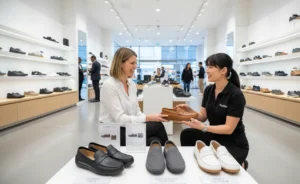
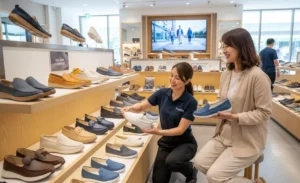
Expert Retail Tips
- Always test strap adjustability for comfort and ease.
- Check sole cushioning and grip before purchasing.
- Lightweight yet supportive designs are ideal for daily indoor and outdoor use.
Types of Sandals Suitable for Seniors
Not all sandals are suitable for elderly feet. Selecting the right type ensures comfort, stability, and safety while maintaining style. Here’s a breakdown of the most senior-friendly options:
1. Slip-On Sandals
- Features: Easy to wear without bending or fiddling with straps.
- Best For: Indoor use, casual outings, or seniors with limited mobility.
- Pros: Convenience, lightweight, comfortable.
- Cons: May not offer enough stability for outdoor walking on uneven surfaces.
2. Velcro Strap Sandals
- Features: Adjustable straps across the foot and heel.
- Best For: Seniors with swelling feet, bunions, or arthritis.
- Pros: Customizable fit, secure, prevents slipping.
- Cons: Velcro can wear out over time; occasional cleaning needed to maintain grip.
3. Closed-Toe Sandals
- Features: Covers the toes while providing ventilation.
- Best For: Outdoor walking, light travel, or seniors prone to toe injuries.
- Pros: Protection, comfort, versatility.
- Cons: Slightly heavier than open-toe designs; may feel warm in summer.
4. Orthopedic Sandals
- Features: Designed specifically for foot health—arch support, cushioned insoles, shock absorption.
- Best For: Seniors with foot problems like plantar fasciitis, arthritis, or diabetic foot.
- Pros: Reduces pain, prevents foot fatigue, improves posture.
- Cons: Can be more expensive; style may be less fashionable (though 2025 trends are improving aesthetics).
5. Sports or Walking Sandals
- Features: Adjustable straps, cushioned soles, and non-slip grip.
- Best For: Seniors who enjoy morning walks, light hiking, or travel.
- Pros: Comfort, stability, breathability, and outdoor safety.
- Cons: Bulkier than casual sandals; not ideal for indoor-only use.
Expert Tips for Seniors
- Match sandal type to daily activities and foot health needs.
- Prioritize support and safety over style when buying.
- Always try on and walk in the sandals before purchase for fit and comfort.
Materials That Offer Maximum Comfort
The material of a sandal plays a crucial role in comfort, durability, and safety for seniors. Choosing the right materials ensures softness, breathability, and long-lasting wear.
1. Soft Leather
- Why it’s good: Durable, breathable, and molds to the shape of the foot over time.
- Best For: Daily wear, semi-formal outings, and seniors with sensitive skin.
- Care Tips: Condition regularly to prevent cracking; avoid soaking in water.
- Pros: Long-lasting, natural feel, stylish
- Cons: Can be slightly heavier than synthetic materials
2. Memory Foam Insoles
- Why it’s good: Cushions the foot, absorbs shock, and reduces pressure on heels and balls of the feet.
- Best For: Seniors with joint pain, plantar fasciitis, or walking long distances.
- Pros: Excellent comfort, relieves foot fatigue, adapts to foot shape
- Cons: May wear out faster than high-quality leather; replaceable options recommended
3. EVA (Ethylene Vinyl Acetate)
- Why it’s good: Lightweight, flexible, and provides soft cushioning.
- Best For: Indoor/outdoor casual sandals, sports, or walking sandals.
- Pros: Light, shock-absorbing, easy to clean
- Cons: Less durable than leather; may compress over time
4. Breathable Fabrics
- Why it’s good: Ensures air circulation, reducing sweating and odor.
- Best For: Summer sandals or indoor use
- Pros: Comfortable, lightweight, prevents skin irritation
- Cons: Less water-resistant; may require frequent cleaning
5. Hybrid Materials
- Why it’s good: Combines leather, synthetic, or EVA for both durability and comfort.
- Best For: Seniors looking for support, style, and practicality in one sandal.
- Pros: Balanced comfort and longevity
- Cons: Slightly higher cost; care may require attention to both materials
- ✓ Look for soft, flexible materials that reduce friction on the foot.
- ✓ Prioritize breathable and cushioned materials to prevent sweating and soreness.
- ✓ Consider hybrid designs for seniors needing both support and lightweight wear.
How to Choose the Right Size and Fit
Proper sizing is crucial for elderly sandals. Even high-quality, supportive sandals can cause discomfort or foot issues if they don’t fit well.
1. Measure Your Feet Accurately
- Length: Stand on a piece of paper, mark the heel and longest toe, and measure.
- Width: Measure the widest part of your foot to ensure sandals are not too tight.
- Tip: Measure both feet; always buy for the larger foot if sizes differ.
2. Consider Arch Support
- Seniors with high arches need cushioned insoles to reduce strain.
- Seniors with flat feet require a sandal with proper arch support to avoid pain.
3. Check Heel and Straps
- The heel should sit securely without slipping.
- Straps should be adjustable to accommodate swelling or sensitive areas.
- Avoid overly tight straps that pinch the skin.
4. Factor in Foot Conditions
- Swelling: Look for adjustable sandals with Velcro or buckle straps.
- Bunions or sensitive toes: Choose wide toe boxes or soft material.
- Arthritis: Lightweight sandals with flexible soles reduce joint strain.
5. Test Walk Before Buying
- Walk indoors for a few minutes to check comfort, grip, and stability.
- Ensure no rubbing, pinching, or slippage.
- Pay attention to the feel of the footbed—it should support natural walking motion.
- Always prioritize comfort over style for daily wear.
- If buying online, check reviews for fit and adjustability.
- Consider half sizes or adjustable designs for a better fit.
Safety Features to Look For
For seniors, safety is just as important as comfort when choosing sandals. The right safety features reduce the risk of falls, slips, and foot injuries.
1. Non-Slip Soles
- Why it matters: Seniors are more prone to slipping on wet or smooth surfaces.
- Tip: Look for textured rubber soles or anti-skid patterns.
- Ideal for both indoor walking and outdoor excursions.
2. Shock Absorption
- Why it matters: Reduces impact on knees, ankles, and joints while walking.
- Tip: Check for cushioned footbeds or EVA midsoles that absorb pressure.
- Beneficial for seniors with joint pain or arthritis.
3. Heel Stability
- Why it matters: A stable heel prevents twisting or ankle injuries.
- Tip: Sandals with low, broad heels or a slight wedge offer better balance.
- Avoid sandals with thin or high heels.
4. Lightweight Design
- Why it matters: Heavy sandals increase fatigue and can cause imbalance.
- Tip: Choose materials like EVA, soft leather, or hybrid lightweight designs.
5. Adjustable Straps & Secure Fit
- Prevents slipping and keeps the foot securely in place.
- Important for seniors with swollen or sensitive feet.
6. Closed or Semi-Closed Toes (Optional)
- Protects toes from accidental bumps or objects.
- Beneficial for outdoor walks, uneven surfaces, or active seniors.
- ✓ Test sandals on both smooth and uneven surfaces to check grip.
- ✓ Look for combinations of cushioning, stability, and lightweight materials for maximum safety.
- ✓ Prioritize safety features over purely fashion-focused designs.
Common Mistakes Seniors Make When Buying Sandals
Even with the best intentions, seniors often make mistakes when buying sandals that affect comfort, safety, and foot health. Avoiding these pitfalls ensures long-term satisfaction.
1. Prioritizing Style Over Comfort
- Mistake: Choosing sandals that look good but lack support or cushioning.
- Tip: Always prioritize arch support, shock absorption, and fit over fashion trends.
2. Ignoring Foot Health Issues
- Mistake: Overlooking bunions, arthritis, plantar fasciitis, or swelling.
- Tip: Select sandals with adjustable straps, cushioned soles, and wide toe boxes to accommodate special foot conditions.
3. Buying the Wrong Size
- Mistake: Using old shoe size or guessing online.
- Tip: Measure both feet, allow for swelling, and choose adjustable or half sizes when available.
4. Skipping Safety Features
- Mistake: Buying sandals without non-slip soles, heel stability, or shock absorption.
- Tip: Always test grip, stability, and sole flexibility before buying.
5. Choosing Heavy or Stiff Sandals
- Mistake: Heavy leather or stiff soles can cause fatigue and imbalance.
- Tip: Opt for lightweight, flexible materials that reduce strain on legs and feet.
6. Not Testing Sandals Indoors
- Mistake: Buying and assuming they’ll fit perfectly without trying them first.
- Tip: Walk around indoors to check fit, comfort, and strap adjustability.
7. Overlooking Maintenance Needs
- Mistake: Selecting materials that require complex care.
- Tip: Choose sandals that are easy to clean and maintain, especially for seniors with limited mobility.
| Mistake | How to Avoid It |
|---|---|
| Style over comfort | Prioritize fit, support, and cushioning |
| Ignoring foot health issues | Choose adjustable, supportive sandals |
| Wrong size | Measure both feet and consider swelling |
| Skipping safety features | Check non-slip soles, stability, and shock absorption |
| Heavy or stiff sandals | Opt for lightweight, flexible materials |
| Not testing indoors | Walk in sandals before buying |
| Overlooking maintenance | Choose easy-care materials |
Key Takeaway: Avoiding these common mistakes ensures seniors choose safe, comfortable, and supportive sandals that enhance mobility and confidence.
Tips for Everyday Use & Walking Comfort
Choosing the right sandals is just the first step. How seniors use them daily greatly affects comfort, safety, and foot health.
1. Break in New Sandals Gradually
- Wear new sandals for short periods indoors before full-day use.
- Prevents blisters, rubbing, or discomfort.
2. Pair with Comfortable Socks if Needed
- Soft, breathable socks can reduce friction and provide extra cushioning.
- Ideal for seniors with sensitive skin or diabetic feet.
3. Maintain Proper Walking Surfaces
- Avoid walking on uneven, slippery, or wet surfaces without caution.
- Sandals with non-slip soles are safer, but care is still essential.
4. Rotate Sandals
- Rotate 2–3 pairs of sandals to prevent overuse and prolong lifespan.
- Allows foot muscles and soles to rest between uses.
5. Adjust Straps for Comfort
- Re-check straps daily or when feet swell, especially in warm weather.
- Ensures a secure fit without pinching or rubbing.
6. Watch Foot Health
- Check feet regularly for blisters, swelling, or skin irritation.
- Address any issues promptly with proper sandals or medical advice.
7. Practical Walking Tips
- Walk slowly on uneven surfaces to reduce the risk of falls.
- Use supportive sandals rather than casual flip-flops for longer walks.
- Maintain good posture to reduce pressure on joints and feet.
Caring for Elderly Sandals – Tips & Guide
Proper care keeps sandals comfortable, safe, and long-lasting, essential for seniors who rely on them for daily mobility.
1. Regular Cleaning
- Leather sandals: Wipe with a soft, damp cloth; apply leather conditioner periodically.
- Synthetic or EVA sandals: Rinse with water to remove dirt and dry naturally.
- Fabric straps: Clean gently with mild soap and water.
2. Drying Tips
- Avoid direct sunlight or heaters which can warp soles or damage materials.
- Air-dry naturally in a cool, dry place.
3. Maintaining Straps and Buckles
- Check Velcro, buckles, and straps regularly for wear.
- Tighten or replace loose buckles to maintain secure fit and safety.
4. Storage Tips
- Store sandals flat to maintain shape.
- Use shoe bags or boxes for premium or leather sandals.
- Keep away from moisture or damp areas to prevent mold and odor.
5. Rotation for Longevity
- Rotate 2–3 pairs to prevent overuse and allow materials to rest.
- Extends the life of cushioning and straps.
- Clean regularly based on material type
- Air-dry after exposure to moisture
- Condition leather every few months
- Inspect straps, buckles, and soles for wear
- Rotate sandals for everyday use
Key Takeaway: Regular cleaning, proper storage, and routine inspection ensure elderly sandals remain comfortable, safe, and long-lasting, supporting seniors’ daily mobility and foot health.
Recommended Sandals for Different Needs
Not all seniors have the same requirements. Selecting the right sandal depends on daily activities, health conditions, and comfort priorities.
Indoor Use
- Lightweight, easy slip-on, cushioned sole.
- Soft leather/fabric slip-ons, memory foam sandals.
- Ideal for walking around the house or short indoor tasks.
Outdoor Walking
- Non-slip soles, cushioned footbed, adjustable straps.
- Velcro strap sandals, lightweight sports sandals, closed-toe walking sandals.
- Provides grip on uneven surfaces, reduces risk of falls.
Travel or Excursions
- Lightweight, durable, adjustable, breathable.
- Hybrid sandals with cushioned EVA or memory foam soles.
- Perfect for sightseeing, short hikes, or day trips.
Medical/Orthopedic Support
- Arch support, shock absorption, wide toe box.
- Orthopedic sandals, specially designed comfort sandals.
- Ideal for plantar fasciitis, arthritis, bunions, or diabetic foot conditions.
| Need | Features to Prioritize | Recommended Type |
|---|---|---|
| Indoor | Lightweight, cushioned, easy slip-on | Fabric/Leather Slip-On |
| Outdoor Walking | Non-slip, stable, adjustable | Velcro Strap/Closed-Toe Walking |
| Travel/Excursion | Durable, breathable, cushioned | Hybrid Sandals/Sports Sandals |
| Medical/Orthopedic | Arch support, shock absorption, wide fit | Orthopedic Sandals |
Step-by-Step Buying Guide for Seniors
- Measure Your Feet: Length & width; use larger foot size; account for swelling.
- Determine Foot Needs: Identify issues (arthritis, bunions, plantar fasciitis, flat feet); choose supportive sandals accordingly.
- Select Sandal Type: Indoor: slip-ons; Outdoor: Velcro/closed-toe; Travel: hybrid; Medical: orthopedic.
- Check Materials: Soft leather, EVA, memory foam, breathable fabrics, or hybrids.
- Examine Safety Features: Non-slip soles, heel stability, shock absorption, adjustable straps.
- Test the Fit: Walk indoors, check slippage, pinching, rubbing, and toe space.
- Style & Practicality: Lightweight, comfortable, aesthetically pleasing; avoid heavy/stiff sandals.
- Maintenance & Longevity: Easy to clean, rotate pairs for even wear.
- Make Informed Purchase: Check reviews; ask store experts; ensure daily mobility & safety needs are met.
2025 Trends in Elderly Sandals
- Lightweight & Flexible Designs: EVA/hybrid soles, reduce fatigue, maintain mobility.
- Enhanced Arch Support: Orthopedic & memory foam insoles for all-day comfort.
- Adjustable & Easy-to-Use Straps: Velcro/buckle/elastic options for seniors with arthritis or limited hand strength.
- Breathable Materials for All Seasons: Leather blends, fabrics, mesh; closed-toe options for cold climates.
- Stylish Yet Practical Designs: Neutral/minimal patterns, customizable colors, modern aesthetics.
- Eco-Friendly & Sustainable Materials: Recycled EVA, vegan leather, natural materials without sacrificing comfort.
FAQs – Comfortable Sandals for the Elderly
1. What type of sandal is best for seniors?
Look for adjustable, cushioned sandals with non-slip soles. Slip-ons are good for indoor use; Velcro straps or orthopedic sandals are ideal for outdoor walking.
2. How do I know the right size?
Measure both feet, including length and width. Buy for the larger foot, and allow space for swelling.
3. Are open-toe or closed-toe sandals better for elderly feet?
Open-toe: More breathable, good for hot weather indoors or casual use.
Closed-toe: Offers protection from bumps and outdoor hazards.
4. Can seniors with arthritis wear sandals comfortably?
Yes, choose lightweight sandals with adjustable straps and cushioned soles to reduce strain.
5. How often should I replace elderly sandals?
Every 1–2 years, depending on wear, or sooner if cushioning or straps wear out.
6. Are orthopedic sandals necessary?
Not always. Recommended for seniors with foot conditions like plantar fasciitis, bunions, or flat feet.
7. Can seniors wear sandals for long walks?
Yes, if they have shock absorption, arch support, and adjustable straps. Avoid flimsy flip-flops.
8. How to prevent slipping in elderly sandals?
Choose sandals with non-slip rubber soles and textured grip patterns. Avoid smooth-soled sandals, especially outdoors or in wet areas.
9. Are leather or synthetic sandals better?
Leather: Durable, molds to foot shape, stylish.
Synthetic/EVA: Lightweight, flexible, easy to clean.
Choose based on comfort, daily use, and maintenance preferences.
10. Can elderly sandals be worn indoors only?
Yes, lightweight slip-ons or cushioned sandals are perfect for indoor use, reducing foot fatigue and maintaining comfort.
11. How to care for elderly sandals?
Clean based on material type: leather with conditioner, fabric with mild soap, EVA with water. Store in a dry, cool place to prevent odor or damage.
12. Are modern sandals stylish for seniors?
Yes, 2025 trends show that elderly sandals combine comfort, support, and modern aesthetics. Neutral colors and lightweight designs are in fashion.
13. Should seniors rotate sandals?
Yes, rotating 2–3 pairs reduces overuse, prolongs lifespan, and keeps cushioning effective.
14. Can sandals help prevent foot problems?
Yes, supportive and well-fitted sandals help prevent slips, blisters, joint strain, and foot pain.
Key Takeaway
By understanding these FAQs, seniors and caregivers can make informed decisions, ensuring sandals provide comfort, safety, and long-term foot health.