
Breathable Mesh Shoes – Stay Cool and Comfortable All Summer
Breathable Mesh Matters in Summer
Summer heat can make your feet feel sweaty, tired, and uncomfortable, but the right pair of shoes can change everything. Breathable mesh shoes are designed to keep your feet cool, dry, and comfortable all day long. With lightweight materials, airy uppers, and flexible soles, these shoes let your feet breathe while providing excellent support for walking, running, or casual everyday wear.
Whether you’re exploring outdoors, commuting to work, or enjoying weekend activities, choosing mesh shoes with proper ventilation helps prevent odor, blisters, and discomfort, making every step feel lighter and fresher. If you want summer-ready, all-day comfort, breathable mesh shoes are your go-to option.
Breathable Mesh Shoes – Stay Cool and Comfortable All Summer
When summer arrives, your feet often become the first victims of heat, sweat, and discomfort. Many customers walk into stores complaining:
- “My shoes feel like ovens after just an hour outside.”
- “No matter how stylish, I can’t stand sweaty feet all day.”
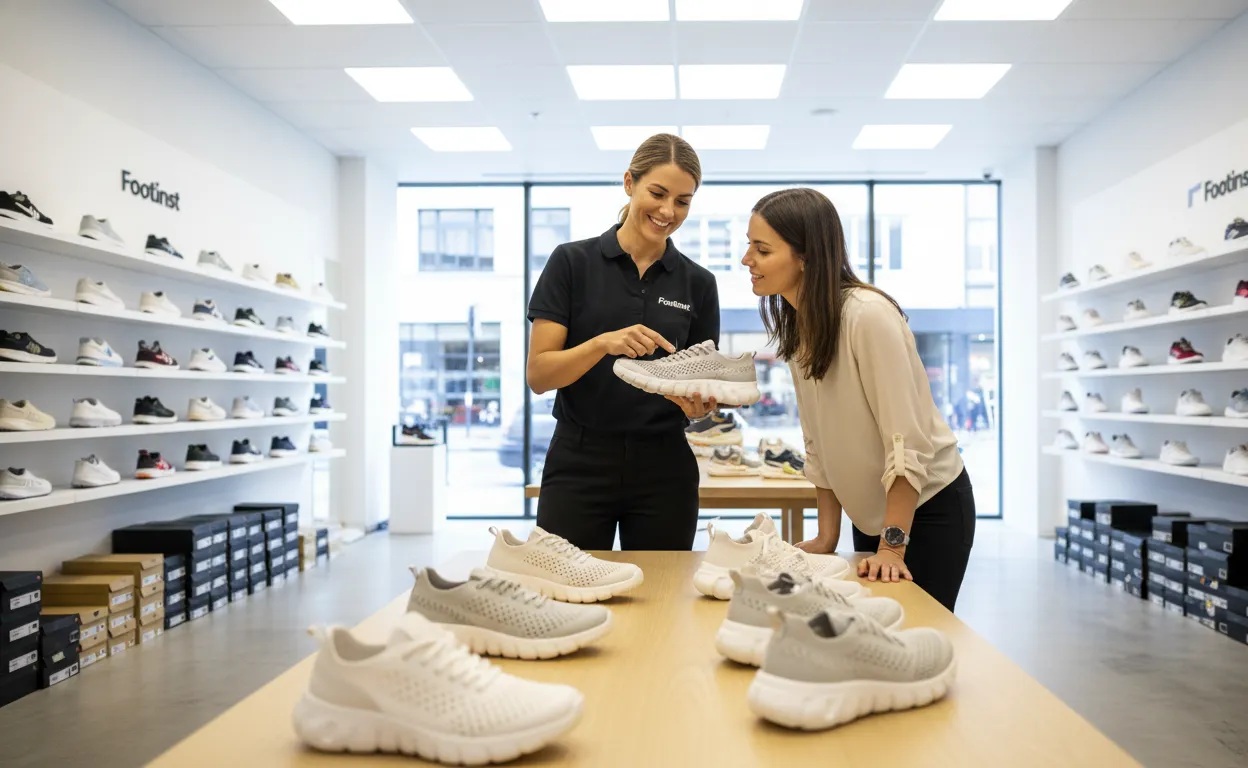
That’s where breathable mesh shoes come in. Over my years in the shoe business, I’ve noticed that shoppers who choose mesh shoes during hot months enjoy immediate comfort and long-term foot health.
Why mesh is a summer hero:
- Airflow: The porous structure allows heat to escape and fresh air to circulate.
- Lightweight design: Mesh shoes are usually lighter than leather or synthetic shoes, reducing fatigue during long walks.
- Moisture management: Sweat evaporates quickly, helping prevent odor, blisters, and fungal issues.
Whether you’re commuting, exercising, or traveling, the right mesh shoes keep your feet dry, cool, and comfortable. In this guide, we’ll explore the different types of mesh, their benefits, care tips, and real store insights to help you pick the best summer shoes.
How It Keeps Your Feet Cool and Comfortable
Mesh is more than just a trendy fabric—it’s a functional material designed to keep your feet comfortable and cool. In simple terms, mesh is a woven or knitted fabric with tiny holes, allowing air to pass freely while still providing support. Over my years in the shoe industry, I’ve seen how customers often misunderstand mesh, thinking it’s weak or flimsy. In reality, high-quality mesh is durable, flexible, and perfect for hot weather.
Key Features of Mesh Material
- Breathability: Tiny perforations ensure maximum airflow, keeping feet cool even in 35°C+ weather.
- Flexibility: Mesh conforms to the foot’s natural shape, reducing pressure points and discomfort.
- Lightweight: Shoes made with mesh weigh significantly less than leather or synthetic alternatives.
- Quick Drying: Sweat or light rain evaporates faster, minimizing odor and fungal growth.
Problem-Solving Insight from Real Stores
Many customers hesitate to buy mesh shoes fearing they will tear easily. I always advise:
- Look for reinforced areas in high-stress zones like the toe and heel.
- Check for double-layer or knit-mesh construction; it combines breathability with strength.
Practical Example
“I switched from standard synthetic sneakers to a high-quality mesh pair. My feet stayed cool during long jogs, and the shoes held up even after months of daily use.”
Expert Tip
Not all mesh is equal. When shopping, touch and gently stretch the fabric. High-quality mesh returns to its shape and feels resilient, while cheaper versions stretch permanently or snag easily.
Benefits of Mesh Shoes – Comfort, Ventilation, and Lightness
Choosing mesh shoes isn’t just about style—it’s about real comfort and performance, especially during hot months. From my years in the shoe store, I’ve noticed that customers who pick mesh shoes enjoy immediate relief from common summer problems like sweating, odor, and foot fatigue.
Major Benefits of Mesh Shoes
1. Enhanced Comfort
- Mesh shoes are soft and flexible, allowing your feet to move naturally.
- Reduced pressure points prevent blisters, especially for people on their feet all day.
2. Superior Ventilation
- The breathable design lets hot air escape and encourages airflow.
- Keeps your feet dry, reducing sweat accumulation and odor.
3. Lightweight Feel
- Less material means lighter shoes, which lowers fatigue during walking, commuting, or travel.
- Ideal for casual wear, sports, or long summer strolls.
4. Quick Drying
- If you accidentally step in water, mesh dries faster than leather or dense synthetic shoes.
- Helps prevent fungal infections and keeps shoes fresher longer.
Real Store Insight
Many customers tell me: “I can walk an entire city day without my feet feeling hot or tired. Mesh shoes are a game-changer for summer.”
Problem-Solving Tip
- If your feet tend to sweat heavily, pair mesh shoes with moisture-wicking socks to enhance comfort and reduce odor.
- Look for reinforced toe and heel areas to avoid premature wear while still enjoying the ventilation benefits.
Types of Mesh Used in Shoes Nylon, Polyester, Knit & More
Not all mesh is created equal. Over my years in the shoe industry, I’ve guided customers through countless options, helping them choose mesh types that balance breathability, durability, and comfort. Understanding the material can save you from buying shoes that wear out too quickly or don’t ventilate well.
Common Types of Mesh in Shoes
1. Nylon Mesh
- Durable and lightweight—ideal for sports or casual summer shoes.
- Resists tearing and holds shape well over long-term use.
- Problem-solving tip: Look for tightly woven nylon in high-stress areas like toes to avoid early damage.
2. Polyester Mesh
- Slightly stiffer than nylon but still breathable.
- Dries quickly, making it suitable for travel or humid climates.
- Practical advice: Check for soft inner lining, as polyester can feel rough against bare skin.
3. Knit Mesh (Engineered Knit / Flyknit)
- Stretchy and highly flexible, adapts to your foot shape.
- Offers excellent ventilation and sock-like comfort.
- Expert insight: Knit mesh can be delicate, so choose reinforced zones for heel and toe.
4. Hybrid Mesh
- Combines two or more mesh types for targeted comfort and durability.
- Common in running or walking shoes that require both support and breathability.
- Tip: Hybrid mesh often includes synthetic overlays for structure—great for long summer walks.
Real Store Experience
- Casual shoppers love nylon mesh for everyday wear because it’s affordable and resilient.
- Runners and fitness enthusiasts prefer knit mesh for adaptive comfort and lightweight feel.
- Parents buying for teens or kids often choose hybrid mesh shoes—they survive active play while keeping feet cool.
Pro Tip
When testing mesh shoes in-store, gently press and stretch the upper. High-quality mesh rebounds to shape and doesn’t feel flimsy, indicating long-lasting wear.
Real Store Insights – What Customers Actually Prefer in Summer
From my years in shoe retail, I’ve noticed a clear trend: customers prioritize breathability and comfort over style when summer arrives. While some still choose flashy designs, most people are practical—they want shoes that keep their feet cool, dry, and comfortable.
Common Customer Preferences
1. Lightweight Mesh Tops
- Shoppers consistently choose shoes with thin, breathable mesh for hot days.
- Parents buying for teens prefer lightweight mesh shoes that allow long hours of school or play without sweaty feet.
2. Supportive Outsoles
- While ventilation is key, customers also look for cushioned soles to prevent fatigue during walking or standing.
- Many pick EVA or rubber soles paired with mesh uppers for all-day comfort.
3. Reinforced Toe & Heel Areas
- Customers avoid mesh shoes that tear quickly.
- Shoes with synthetic overlays or reinforced zones are popular because they last longer without compromising airflow.
4. Sock-Like Fit
- Knit mesh or engineered mesh shoes that adapt to the foot shape are gaining popularity.
- Comfort seekers prefer these for running errands, commuting, or summer travel.
Problem-Solving Tip from Real Stores
- Many first-time buyers complain: “I wanted a stylish summer shoe, but it wore out in a month.”
- Solution: Look for quality mesh with overlays, breathable lining, and a durable outsole. This combination ensures longevity, comfort, and ventilation.
Quick Insight Table – What Customers Buy Most in Summer
| Customer Type | Preferred Mesh Type | Reason |
|---|---|---|
| Teenagers / Students | Nylon or hybrid mesh | Durable for active play, breathable |
| Professionals / Office | Knit mesh with rubber sole | Stylish yet ventilated, comfortable for walking |
| Runners / Fitness lovers | Knit or engineered mesh | Lightweight, adaptive fit, breathable |
| Travelers / Tourists | Hybrid or polyester mesh | Quick-drying, versatile, all-day comfort |
Takeaway
In summer, customers are practical buyers. They look for shoes that combine ventilation, durability, and comfort, not just style. As an expert, I always recommend trying shoes on for breath, flexibility, and cushioning, not just appearance.
Mesh vs. Leather or Synthetic Shoes – Which One Wins for Hot Weather?
When summer arrives, many customers face a dilemma: should I stick with classic leather, synthetic, or switch to mesh? From real store experience, the answer depends on comfort, ventilation, and lifestyle.
Mesh vs Leather vs Synthetic Shoes
1. Mesh Shoes
- Pros:
- Excellent airflow keeps feet cool.
- Lightweight and flexible, reducing fatigue.
- Quick-drying for humid or rainy summer days.
- Cons:
- Can wear out faster if low-quality mesh is chosen.
- Less formal than full leather, depending on design.
2. Leather Shoes
- Pros:
- Classic, professional look.
- Durable if properly maintained.
- Cons:
- Poor ventilation; feet may overheat in summer.
- Sweaty conditions can damage leather and shorten lifespan.
3. Synthetic Shoes
- Pros:
- Affordable and often water-resistant.
- Some designs include ventilation panels.
- Cons:
- Can trap heat if poorly ventilated.
- Less flexible and breathable compared to quality mesh.
Real Store Insight
- Many office-goers choose mesh hybrids: leather or synthetic base with breathable mesh panels.
- Athletes and casual summer walkers mostly pick full mesh shoes for maximum ventilation and lightness.
- Parents buying for children often prefer synthetic-mesh combos, balancing durability and airflow.
Problem-Solving Advice
- For daily summer wear in cities, mesh or hybrid shoes outperform full leather or synthetic in comfort.
- Ensure reinforced toes and heel overlays if you’re worried about durability.
- Look for shoes with removable insoles to improve breathability and allow cleaning.
- Think of your daily activities: if mostly indoors, leather or synthetic is fine. For long walks, commuting, or outdoor summer activities, mesh is the clear winner.
Tips for Choosing the Right Breathable Mesh Shoes
Selecting the perfect mesh shoes for summer isn’t just about picking a stylish pair—it’s about comfort, durability, and performance. From years of helping customers in stores, I’ve noticed many make avoidable mistakes when choosing mesh shoes. Here’s a practical guide to help you make the right choice.
How to Choose the Right Mesh Shoes – Expert Tips
1. Check the Mesh Quality
- High-quality mesh should feel firm yet flexible.
- Avoid flimsy mesh that stretches permanently or tears easily.
- Look for reinforced zones at the toe, heel, and sides for extra durability.
2. Consider the Fit
- Mesh shoes often stretch slightly over time, so try for a snug but comfortable fit.
- Ensure your toes have enough space—tight shoes can cause blisters and discomfort in summer.
3. Evaluate the Sole
- Choose lightweight rubber or EVA soles for daily walking and ventilation.
- For outdoor activities, consider soles with extra traction to prevent slipping.
4. Look for Breathable Linings
- Shoes with mesh uppers plus moisture-wicking or perforated linings enhance airflow.
- This prevents sweat accumulation and reduces odor.
5. Consider Activity Type
- Casual summer walks: nylon or polyester mesh with cushioned soles.
- Running or fitness: engineered knit mesh for adaptive comfort.
- Travel or city commuting: hybrid mesh for durability and ventilation.
6. Color & Maintenance
- Light-colored mesh shows dirt easily—consider darker shades for daily use.
- Removable insoles make cleaning and drying easier, extending shoe life.
Real Store Tip
Many customers pick mesh shoes that look airy but ignore sole comfort and reinforcement. I always advise:
“Check the sole, heel, and toe areas before buying. Breathable mesh is useless if the shoe can’t handle your daily routine.”
Problem-Solving Insight
- If you sweat heavily, combine mesh shoes with moisture-wicking socks.
- For long summer walks, choose hybrid mesh with cushioned soles—you’ll notice less fatigue and cooler feet.
Caring for Mesh Shoes – Cleaning, Drying, and Longevity
Mesh shoes are lightweight and breathable, but they require proper care to maintain comfort, appearance, and durability. From my store experience, many customers assume mesh needs little maintenance—but neglect can lead to odor, fraying, or deformation.
Mesh Shoe Care – Expert Cleaning & Maintenance Tips
1. Regular Cleaning
- Remove dirt: Gently brush off dust or mud using a soft brush.
- Spot cleaning: Use mild soap and water with a soft cloth for small stains.
- Machine wash caution: Some knit or engineered mesh shoes are machine washable, but always check manufacturer instructions.
2. Drying Properly
- Never leave mesh shoes under direct sunlight—it can fade colors and weaken fibers.
- Air-dry at room temperature, ideally stuffed with newspaper or shoe trees to maintain shape.
- Remove insoles while drying for faster moisture evaporation.
3. Odor Management
- Mesh shoes breathe well, but sweat can still cause odor.
- Use baking soda or moisture-absorbing insoles to neutralize smell.
- Wash removable insoles regularly.
4. Preventing Wear and Tear
- Avoid dragging toes or scuffing edges—mesh can snag.
- Choose reinforced mesh shoes for active use or long walks.
- Rotate shoes to prevent overuse and allow fibers to recover.
5. Storage Tips
- Keep shoes in a cool, ventilated area.
- Avoid cramped shoe racks that crush the mesh.
- Use breathable shoe bags for travel.
Real Store Insight
Many customers tell me they love mesh shoes but complain:
“My favorite summer shoes started fraying after two months!”
The problem usually comes from improper cleaning or storage. Following the above steps extends life and keeps the shoes looking and performing like new.
Problem-Solving Tip
- If your mesh shoes get wet, remove excess water immediately, dry gently, and avoid heat.
- Regular care ensures comfort, durability, and hygiene, especially during hot, sweaty months.
Common Problems and How to Solve Them – Odor, Wear, and Tear
Even the best mesh shoes can face issues if not properly chosen or maintained. From real store experience, these are the most common problems customers encounter in summer, along with practical solutions.
Mesh Shoe Common Problems & Solutions
1. Odor and Sweaty Feet
Problem: Mesh shoes breathe, but sweat can still accumulate.
- Use moisture-wicking socks.
- Sprinkle baking soda or use deodorizing insoles.
- Wash removable insoles regularly.
2. Early Wear or Fraying
Problem: Low-quality mesh can tear at toes or heels.
- Choose shoes with reinforced mesh or synthetic overlays.
- Avoid dragging toes or rough surfaces.
- Rotate shoes to reduce constant wear.
3. Loose Fit Over Time
Problem: Some mesh stretches excessively, causing poor support.
- Check fit before purchase; mesh stretches slightly but shouldn’t be too loose.
- Consider removable insoles to improve snugness.
4. Staining and Dirt Accumulation
Problem: Light-colored mesh shows dirt quickly.
- Clean regularly with a soft brush and mild soap.
- Use protective sprays for light mesh shoes.
- Air-dry properly to avoid deformation.
5. Reduced Cushioning or Sole Wear
Problem: Lightweight mesh shoes sometimes have thin soles that wear out fast.
- Choose mesh shoes with EVA or rubber soles for long-term support.
- For active use, consider hybrid soles combining cushioning and traction.
Real Store Insight
Customers often underestimate the importance of reinforced areas and proper care. A simple step like rotating shoes or using moisture-absorbing insoles can dramatically extend shoe life while maintaining comfort.
Pro Tip
- Always inspect shoes in-store or when buying online. Look for sturdy mesh, reinforced stitching, and quality soles.
- These small checks prevent common summer problems before they start.
Mesh Shoes for Different Activities Casual, Running, Travel, Office
Mesh shoes are versatile, but different activities demand different types of mesh and soles. From real store experience, helping customers choose the right shoe for their specific needs ensures maximum comfort and longevity.
Best Mesh Shoes for Different Activities
1. Casual Everyday Wear
- Mesh Type: Nylon or polyester mesh.
- Why: Lightweight, breathable, and easy to slip on for daily errands or summer strolls.
- Tips: Look for cushioned EVA soles for all-day comfort and flexible designs to reduce foot fatigue.
2. Running & Fitness
- Mesh Type: Engineered knit or flyknit.
- Why: Conforms to the foot, provides ventilation, and allows full movement.
- Tips: Ensure reinforced toe and heel areas to prevent premature wear. Removable insoles help manage sweat and odor.
3. Travel & Commuting
- Mesh Type: Hybrid mesh (combining synthetic overlays with breathable panels).
- Why: Durable enough for long walks, breathable for comfort in warm weather.
- Tips: Choose shoes with traction-enhanced soles to handle various terrains and weather conditions.
4. Office & Professional Settings
- Mesh Type: Subtle knit or hybrid mesh with leather/synthetic accents.
- Why: Offers ventilation without compromising a polished look.
- Tips: Opt for neutral colors and minimal design. Ensure a cushioned insole to reduce discomfort during long working hours.
Real Store Insight
Many customers initially think mesh is only for sports. However, with subtle colors and hybrid construction, mesh shoes can be stylish and professional while keeping feet cool. Parents buying for children often choose hybrid mesh for school or outdoor activities, balancing durability and comfort.
Problem-Solving Tip
- Match the mesh type and sole design to your primary activity. This prevents issues like blisters, overheating, or fast wear.
- Always consider moisture management for summer use—removable insoles and breathable linings make a big difference.
Conclusion – Making the Smart Choice for Summer Comfort
Choosing the right shoes for summer is more than a style decision—it’s about comfort, breathability, and long-term foot health. From years of real store experience, I’ve seen customers transform their summer walks simply by picking high-quality mesh shoes that match their lifestyle.
Key Takeaways – Mesh Shoes
- Breathable mesh is essential for hot weather: keeps feet cool, dry, and odor-free.
- Choose the right type of mesh: nylon, polyester, knit, or hybrid depending on your activity.
- Check durability features: reinforced toe, heel, and overlays prevent early wear.
- Soles matter: EVA, rubber, or hybrid soles provide cushioning, support, and traction.
- Care is crucial: clean regularly, dry properly, and rotate shoes to extend lifespan.
- Activity-specific selection ensures maximum comfort: whether for casual walks, running, commuting, or professional settings.
By considering these factors, you’ll enjoy cool, comfortable feet all summer, while your shoes last longer and maintain their shape and style. Summer doesn’t have to mean sweaty, tired, or uncomfortable feet—the right mesh shoes make all the difference.
FAQ – Mesh Shoes Tips
1. Are mesh shoes suitable for heavy sweating feet?
Yes! High-quality mesh shoes combined with moisture-wicking socks help manage sweat, prevent odor, and reduce fungal risk.
2. Can mesh shoes be worn in light rain?
Most mesh shoes dry quickly, but prolonged exposure to water can soak them. Hybrid or water-resistant mesh is ideal for occasional rain.
3. Do mesh shoes wear out faster than leather shoes?
Low-quality mesh may tear easily, but reinforced mesh with overlays is durable for summer use and long walks.
4. How should I clean my mesh shoes?
Use a soft brush and mild soap for surface stains. Removable insoles can be washed separately. Avoid direct sunlight while drying.
5. Can mesh shoes be used for running?
Absolutely. Engineered knit or flyknit mesh offers flexibility, breathability, and support for running or fitness activities.
6. Are mesh shoes suitable for office or formal wear?
Yes, subtle hybrid mesh designs with leather or synthetic accents can be professional while keeping feet ventilated.
7. How do I prevent odor in mesh shoes?
- Use deodorizing insoles or sprinkle baking soda inside.
- Allow shoes to air-dry between uses.
- Wash removable insoles regularly.
8. Can children wear mesh shoes for school?
Definitely. Durable nylon or hybrid mesh shoes provide ventilation while withstanding active play.
9. How do I choose the right mesh type for me?
- Casual walking: nylon or polyester mesh.
- Running or sports: knit mesh.
- Travel or outdoor use: hybrid mesh for durability and ventilation.
10. Are mesh shoes easy to maintain?
Yes. Regular cleaning, proper drying, and rotation make mesh shoes long-lasting and comfortable.
11. Should I wear socks with mesh shoes?
It depends on preference. Moisture-wicking or no-show socks enhance comfort and reduce odor.
12. Can mesh shoes replace leather in summer?
For comfort and ventilation, yes. Mesh is lighter and cooler, but leather or hybrids may be chosen for formal occasions.
13. Do mesh shoes support wide feet?
Many mesh shoes, especially knit designs, stretch naturally to fit wider feet, offering adaptive comfort.
14. Are mesh shoes prone to tearing?
Low-quality mesh may tear, but reinforced zones in quality shoes prevent early damage. Always check material and construction before buying.
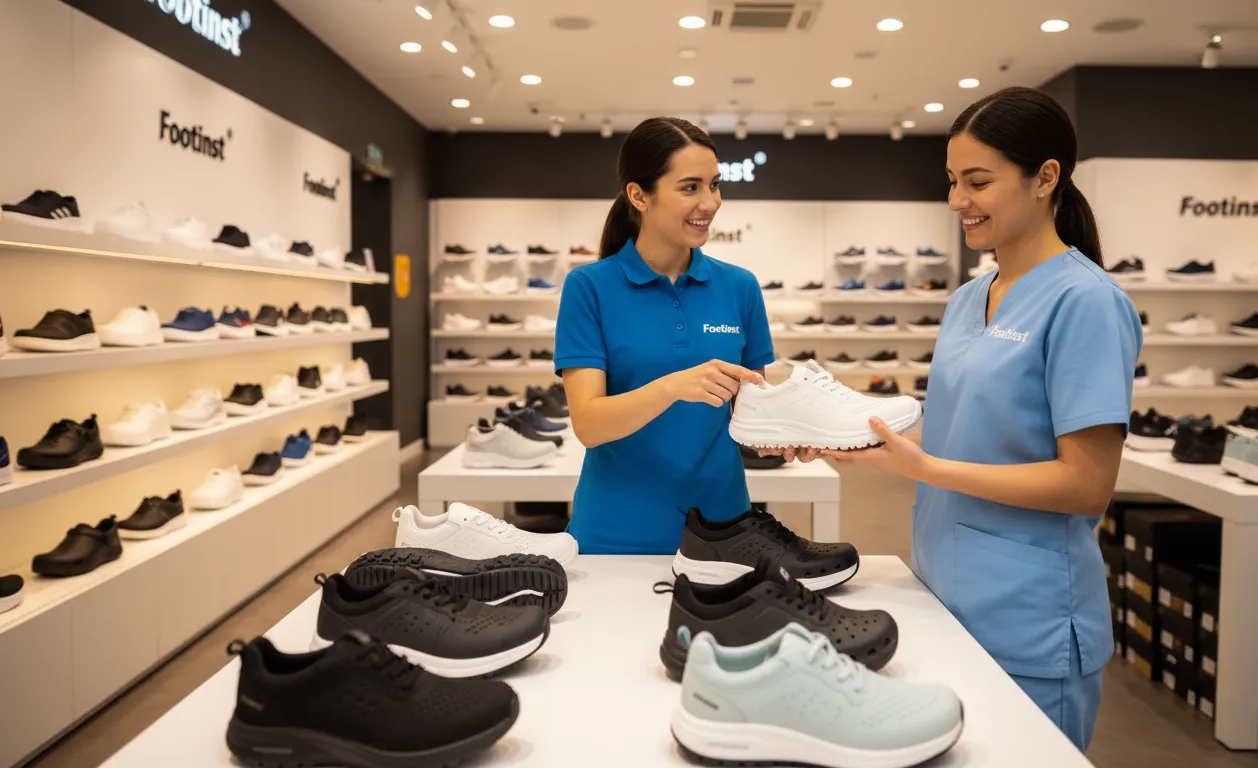
Best Shoes for Medical Professionals 2026 – Expert Guide
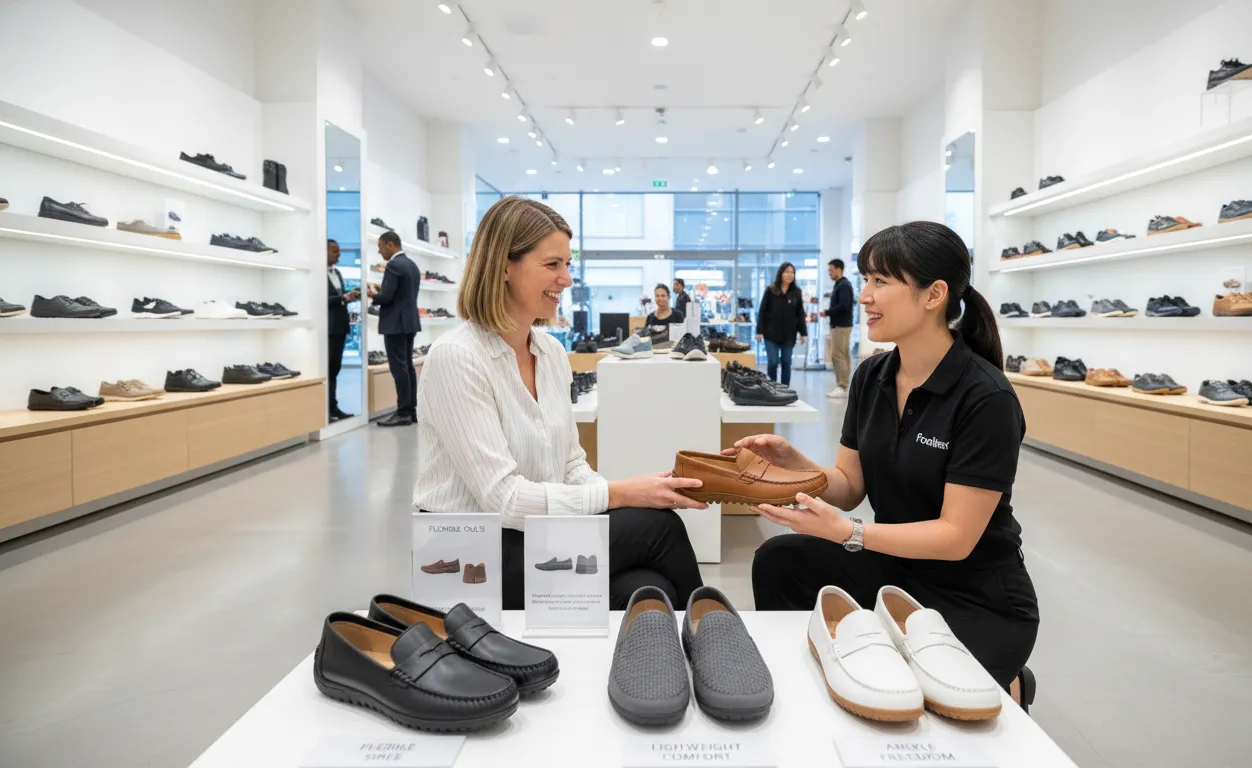
Best Shoes for a Car Ride – Comfortable Driving Shoe Guide
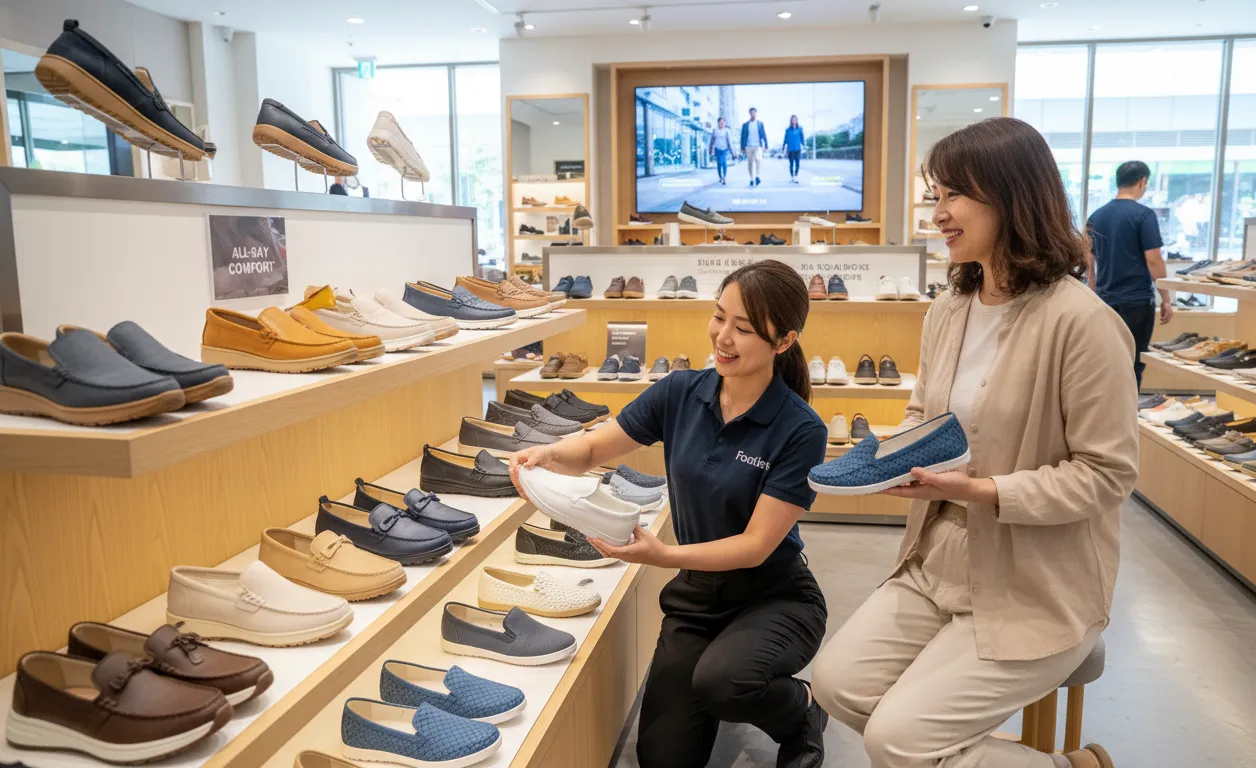
Which Shoe Is Perfect for Regular Use? – Seller Shoe Guide 2026
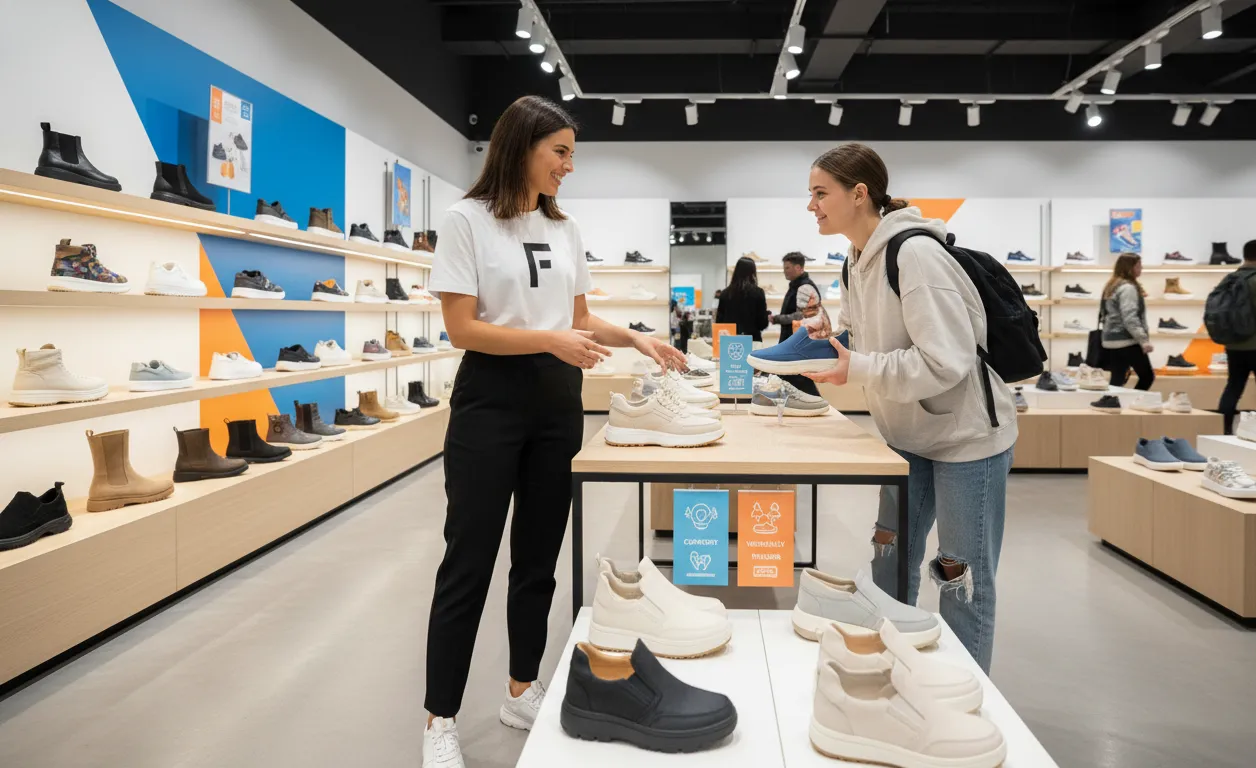
Top Casual Shoes Every Young Adult Should Own – Seller Shoe Guide
Best Breathable Shoes for Summer & Hot Climates – Saller Guide