Textile Shoes & Sandals – Light, Breathable, and Perfect for Every Season
Why Textile Shoes & Sandals Are Popular Worldwide
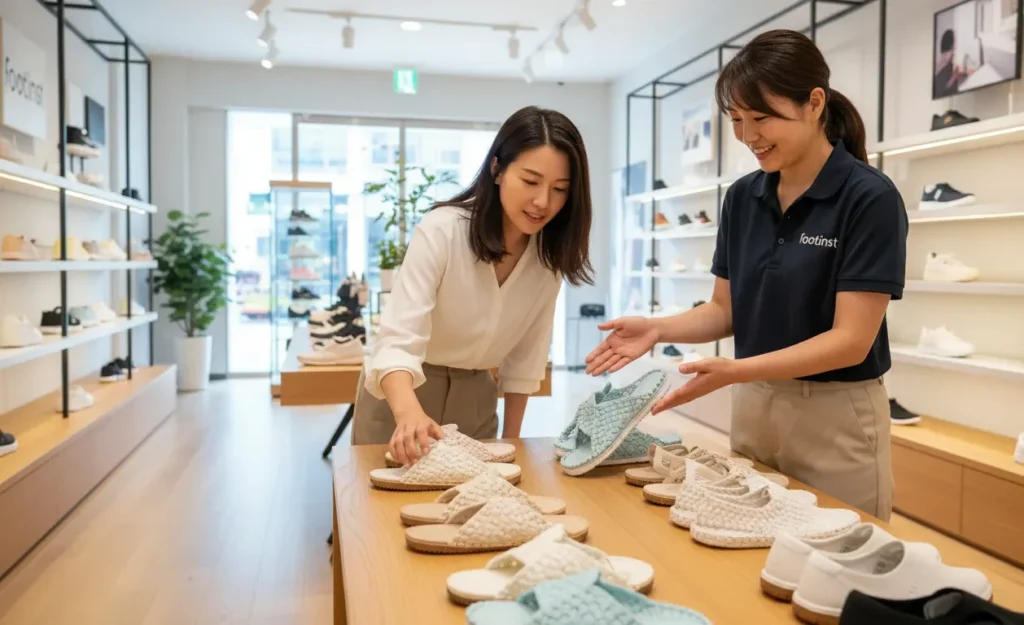
Textile shoes and sandals are a favorite choice globally, especially for warm weather, casual outings, and everyday wear. Their lightweight nature, breathability, and style versatility make them stand out among other shoe types.
Why People Love Textile Shoes:
- Breathability: Keeps feet cool and dry, perfect for summer or humid climates.
- Lightweight Comfort: Easier to wear for long hours without fatigue.
- Style Variety: Comes in colors, patterns, and textures suitable for casual, office, and travel shoes.
- Parent-Friendly Choice: Ideal for children and adults alike; soft and reduces foot pressure.
Practical Store Insight:
- Customers often ask for light, breathable shoes for summer trips, daily walks, or office casual days.
- Textile shoes are easy to pair with jeans, shorts, skirts, or casual office outfits.
Tips for Buyers:
- Check Fabric Quality: Look for tight weave and smooth texture to ensure durability.
- Consider Occasion: Cotton or canvas is perfect for casual wear; mesh or knit is great for sports and outdoor activities.
- Foot Care Tip: Even breathable shoes need regular cleaning to avoid odor and stains.
Takeaway: Textile shoes and sandals are light, comfortable, and versatile, making them a go-to option for everyday use and warm-weather fashion.
Textile Materials 101 – Understanding Fabrics in Shoes & Paduka
Textile shoes and sandals are made from different fabrics, each offering unique benefits. Knowing the material helps you choose shoes that are comfortable, durable, and suitable for your lifestyle.
Common Textile Fabrics Used in Shoes:
| Fabric Type | Benefits | Best For |
|---|---|---|
| Cotton | Soft, breathable, natural | Casual shoes, summer paduka |
| Linen | Lightweight, moisture-wicking | Office casual shoes, warm climates |
| Canvas | Durable, easy to clean | Daily wear shoes, travel sandals |
| Mesh | Maximum ventilation, flexible | Sports shoes, outdoor sandals |
| Synthetic blends | Strong, resistant to wear, easy to maintain | Everyday shoes, travel shoes |
📱 Swipe left/right to view full table on mobile
Practical Store Insight:
- Customers often confuse canvas and cotton; canvas is more durable, while cotton is softer.
- Mesh shoes are highly popular among travelers and athletes for breathability and comfort.
Tips for Buyers:
- Touch & Feel Test: Press the fabric; it should be soft but resilient.
- Check Breathability: Hold it near your mouth and blow; air should pass easily through the weave.
- Maintenance Check: Some fabrics are machine washable, while others need gentle hand cleaning.
Takeaway: Understanding textile materials ensures you pick shoes and paduka that stay comfortable, stylish, and durable for your daily activities.
Cotton, Linen & Canvas – Natural Breathable Comfort
Natural fabrics like cotton, linen, and canvas are perfect for shoes and paduka when you want comfort, breathability, and softness. They are lightweight, absorb sweat, and feel great on warm days.
Why Choose Natural Fabrics:
- Cotton: Soft, gentle on skin, perfect for casual or indoor shoes.
- Linen: Lightweight, airy, and moisture-wicking; ideal for office or summer paduka.
- Canvas: Stronger weave, long-lasting, and easy to clean; great for travel shoes or daily walks.
Practical Store Insight:
- Parents often choose cotton-lined shoes for children because they prevent irritation and blisters.
- Travelers love canvas shoes for durability and easy washing.
Tips for Buyers:
- Check Thickness: Too thin cotton may wear quickly; medium-weight cotton or canvas lasts longer.
- Consider Lining: Look for soft inner lining for extra comfort.
- Color & Style: Natural fabrics take dyes well, so you can get stylish shoes in various colors and patterns.
Takeaway: Cotton, linen, and canvas are breathable, comfortable, and versatile, making them perfect for casual, office, and travel shoes or paduka.
Synthetic Fabrics – Durable, Lightweight, and Stylish
Synthetic fabrics like polyester, nylon, and microfiber blends are widely used in shoes and paduka. They are engineered for strength, easy maintenance, and modern style.
Benefits of Synthetic Fabrics:
- Durability: Resistant to wear, stretching, and fading.
- Lightweight: Makes shoes easier for daily walking and travel.
- Water-Resistant Options: Some synthetic materials repel moisture, keeping feet dry.
- Versatile Styling: Can mimic textures like leather or suede for a fashionable look.
Practical Store Insight:
- Customers prefer synthetic shoes for long walks, outdoor activities, and daily commutes because they last longer and are easy to clean.
- Ideal for people with active lifestyles or children, as they handle rough use better than natural fabrics.
Tips for Buyers:
- Check Fabric Feel: It should be soft yet firm, not flimsy.
- Inspect Seams & Stitching: Quality synthetics have clean, strong stitching that resists fraying.
- Match Use: Choose lightweight synthetic shoes for travel, water-resistant options for rainy climates.
Takeaway: Synthetic fabrics combine durability, lightness, and style, making them perfect for modern casual, sports, and travel shoes or paduka.

Mesh & Knits – Maximum Ventilation for Hot Days
Mesh and knit fabrics are designed for ultimate breathability. They are ideal for shoes and paduka when you want to stay cool, dry, and comfortable, especially in summer or active use.
Why Mesh & Knits Are Popular:
- Airflow: Open-weave mesh allows maximum ventilation, reducing sweat and odor.
- Flexibility: Knitted uppers stretch naturally, adapting to foot shape.
- Lightweight: Perfect for long walks, jogging, or casual outings.
Practical Store Insight:
- Athletes and outdoor enthusiasts prefer mesh shoes for running, hiking, or travel.
- Knits are trending in urban casual shoes because they combine comfort with modern style.
Tips for Buyers:
- Check Breathability: Place your hand inside the shoe; air should pass freely through the mesh.
- Inspect Stitching: Ensure knits are dense enough to resist tears but flexible for comfort.
- Use Cases: Ideal for summer shoes, sports shoes, and casual paduka.
Takeaway: Mesh and knit shoes provide cool, flexible, and lightweight comfort, making them perfect for hot climates and active lifestyles.
Hybrid Textile Soles – Comfort Meets Modern Design
Hybrid soles combine different materials—textile, rubber, EVA, or cork—to deliver maximum comfort, durability, and style in shoes and paduka. These soles are engineered for modern lifestyles where versatility and performance matter.
Benefits of Hybrid Textile Soles:
- Enhanced Comfort: Textile layers provide soft cushioning, while rubber or EVA adds shock absorption.
- Durability: Combines strength of synthetic materials with flexibility of textiles.
- Style & Design: Allows modern patterns, textures, and color combinations.
- Lightweight: Despite layered construction, hybrid soles remain easy to wear for long hours.
Practical Store Insight:
- Customers who walk long distances or spend hours standing often choose hybrid sole shoes for all-day comfort.
- Parents pick hybrid paduka for children to ensure flexibility, support, and durability.
Tips for Buyers:
- Check Layer Quality: Ensure the sole has firm grip and resilient textile padding.
- Assess Flexibility: Bend the shoe slightly; a good hybrid sole flexes without creasing.
- Match Usage: Perfect for daily wear, travel, casual office shoes, and children’s paduka.
Takeaway: Hybrid textile soles offer a perfect balance of comfort, durability, and style, making them ideal for modern, everyday shoes and sandals.
Textile Linings – Soft Inside, Cool Outside
The lining inside shoes and paduka plays a crucial role in comfort, temperature regulation, and hygiene. Textile linings keep feet cool, dry, and irritation-free, especially during long wear or warm weather.
Benefits of Textile Linings:
- Softness: Prevents rubbing and blisters, ideal for sensitive skin or children’s shoes.
- Breathability: Absorbs sweat while allowing airflow, reducing odor.
- Temperature Regulation: Keeps feet cool in summer and moderately warm in mild winters.
- Easy Maintenance: Most textile linings can be spot-cleaned or gently washed.
Practical Store Insight:
- Customers often complain about hot or itchy shoes; textile linings solve this problem efficiently.
- Parents prefer soft linings in children’s paduka to prevent irritation and foot discomfort.
Tips for Buyers:
- Check Smoothness: Ensure the lining is even and soft without seams that rub.
- Airflow Test: Lightweight textile linings allow air to pass easily, enhancing comfort.
- Maintenance: Use a soft cloth or mild detergent for cleaning to maintain hygiene.
Takeaway: Textile linings are essential for comfort, breathability, and foot health, making your shoes and sandals comfortable for daily wear.
Caring for Textile Shoes & Sandals – Cleaning Made Simple
Textile shoes and paduka are lightweight and breathable, but they need regular care to stay clean, comfortable, and long-lasting. Proper cleaning maintains their look, hygiene, and performance.
Step-by-Step Cleaning Guide:
- Remove Loose Dirt: Use a soft brush or cloth to remove dust and debris from the surface.
- Spot Clean Stains: Mix mild detergent with water, dip a cloth or soft brush, and gently scrub the stained area.
- Machine Wash (If Allowed): Check manufacturer instructions, use gentle cycle with cold water, and air dry only.
- Drying Tips: Avoid direct sunlight; it can fade colors or shrink the fabric. Stuff with paper towels to maintain shape.
- Deodorizing & Freshness: Sprinkle baking soda inside and leave overnight for odor absorption. Use fabric-friendly sprays for extra freshness.
Practical Store Insight:
- Customers often ask how to prevent fading or tearing; gentle cleaning and avoiding harsh chemicals are key.
- Textile sandals with open designs dry faster but still need careful cleaning to maintain color and texture.
Takeaway: Regular cleaning and proper maintenance keep textile shoes and sandals fresh, comfortable, and long-lasting.
Common Issues & Solutions – How to Avoid Textile Shoe Problems
Textile shoes and paduka are lightweight and breathable, but they can face common issues like stains, odor, and wear. Knowing how to prevent and solve these problems ensures your shoes last longer and stay comfortable.
1. Stains & Dirt
Problem: Textile shoes easily attract dirt and spills.
Solution:
- Clean promptly with mild soap and water.
- For tough stains, use a fabric-safe cleaner or stain remover.
2. Odor & Moisture
Problem: Sweat and moisture can cause unpleasant smells.
Solution:
- Use breathable socks.
- Sprinkle baking soda overnight or use shoe deodorizer sprays.
3. Wear & Tear
Problem: Frayed edges or loose threads reduce the shoe’s life.
Solution:
- Inspect seams regularly and trim loose threads.
- Avoid rough surfaces and rotate shoes to reduce overuse.
4. Color Fading
Problem: Sun exposure and harsh detergents fade textile shoes.
Solution:
- Dry in shade and wash gently.
- Consider fabric protector sprays to maintain color.
Practical Store Insight:
- Customers often assume textile shoes are fragile; with correct care, they last as long as leather or synthetic shoes.
- For parents, teaching children to handle textile paduka carefully prevents early wear.
Takeaway: Identifying common problems and applying simple preventive measures ensures your textile shoes and sandals remain clean, odor-free, and durable.
Choosing the Right Textile Shoes – Style, Comfort, and Occasion
Selecting the perfect textile shoes or paduka involves balancing comfort, style, and purpose. Knowing your needs ensures long-lasting wear and satisfaction.
Key Considerations
1. Purpose & Activity
- Casual daily wear → Cotton, canvas, or linen shoes.
- Sports or outdoor → Mesh or knit shoes for breathability and flexibility.
- Travel → Hybrid soles with durable textiles for comfort on long walks.
2. Comfort & Fit
- Look for soft linings and adequate cushioning.
- Try shoes with socks or during walking motions to ensure proper fit.
3. Style & Color
- Neutral colors → Easy to pair with multiple outfits.
- Patterned or colorful textiles → Add a fashion statement for casual or leisure wear.
4. Maintenance Needs
- Easy-to-clean fabrics → Canvas or synthetic blends.
- Avoid delicate fabrics if frequent cleaning or rough usage is expected.
Practical Store Insight:
- Parents often prefer neutral-colored, soft textile paduka for children for daily school use.
- Customers traveling abroad look for lightweight, quick-drying shoes with hybrid soles for convenience.
Takeaway: Choosing the right textile shoes requires matching fabric, comfort, style, and usage. A little planning ensures shoes remain functional and stylish for a long time.
Eco-Friendly Textile Options – Sustainable Choices for Modern Shoes
Sustainability is now a key factor in shoe selection. Eco-friendly textile shoes and paduka are made from recycled, organic, or renewable materials, combining comfort, style, and environmental responsibility.
Popular Eco-Friendly Textiles
- Organic Cotton: Grown without harmful chemicals, soft and breathable.
- Recycled Polyester: Made from plastic bottles or textile waste, durable and lightweight.
- Hemp: Naturally resistant to wear and moisture, low environmental impact.
- Bamboo Fabric: Soft, antibacterial, and sustainable.
Benefits of Eco-Friendly Shoes
- Environmentally Responsible: Reduces pollution and resource consumption.
- Healthy for Feet: Often chemical-free and gentle on sensitive skin.
- Durable & Stylish: Sustainable materials do not compromise look or comfort.
Practical Store Insight:
- Customers traveling or shopping internationally are increasingly asking for eco-conscious paduka.
- Parents prefer organic fabrics for children, ensuring softness and chemical-free comfort.
Tips for Buyers
- Look for Certifications: Labels like GOTS (Global Organic Textile Standard) indicate authenticity.
- Check Material Origin: Recycled or organic materials usually mention source and process.
- Consider Maintenance: Eco-friendly fabrics are often machine washable or hand-wash friendly.
Takeaway: Choosing eco-friendly textile shoes allows you to support sustainability while enjoying comfort, style, and long-lasting wear.
Conclusion – Why Textile Shoes & Sandals Are a Smart Choice
Textile shoes and sandals are no longer just a casual option—they are becoming a mainstream choice worldwide. From cotton and linen for breathable comfort, to wool for winter warmth, and synthetic blends for durability, textile footwear offers something for everyone.
Why They’re Smart Choices
- Lightweight & Comfortable: Ideal for daily wear and travel.
- Budget-Friendly: Textile footwear is often more affordable than leather, yet stylish.
- Versatile: Works for office, casual, sports, and seasonal wear.
- Eco-Friendly Options Available: Supports sustainable fashion without compromising on looks.
Expert Shoe Seller’s Advice:
- If you’re looking for daily comfort at a reasonable price, textile shoes are an excellent pick.
- Always check fabric quality, breathability, and sole durability before buying.
- For international buyers: brands like Skechers, Adidas, and eco-label startups are offering top-quality textile shoes that meet global comfort and sustainability standards.
👉 Final Thought: Textile footwear is a perfect balance of comfort, affordability, and style, making it a smart choice for modern lifestyles.
Frequently Asked Questions (FAQ) – Textile Shoes & Sandals
1. Are textile shoes as durable as leather shoes?
Textile shoes are not as tough as leather, but high-quality woven fabric with strong stitching can last for everyday use. For heavy-duty wear, choose textile shoes with a rubber or EVA sole for better durability.
2. Do textile sandals keep feet cool in summer?
Yes ✅. Cotton, linen, or mesh uppers allow maximum airflow, keeping your feet cool and sweat-free in hot climates. That’s why textile sandals are very popular in tropical countries.
3. Can I wear textile shoes in rainy weather?
Not all textile shoes are water-resistant. You can:
- Spray a waterproof protector before use.
- Choose synthetic textile blends that dry quickly.
- Avoid wearing pure cotton uppers in heavy rain.
4. How do I clean textile shoes and sandals easily?
- Use a soft brush to remove dirt.
- Mix mild soap with warm water and scrub gently.
- Air-dry in shade (avoid direct sunlight).
- Some textile shoes are machine washable (check label).
5. Do textile shoes stretch over time?
Yes, natural textiles like cotton or wool may stretch slightly with wear. Synthetic blends usually hold shape better and last longer.
6. Are textile shoes good for walking long distances?
Absolutely 👍. Textile shoes with padded insoles and cushioned soles are lightweight, perfect for daily walks or travel. Ensure proper arch support if you have foot problems.
7. Are textile sandals stylish enough for office or parties?
Yes! Many textile sandals come with modern designs, embroidery, and prints. Neutral colors like black, navy, or beige match office outfits, while colorful designs are great for parties.
8. Do textile shoes smell more than leather shoes?
Not if maintained well. Prevent odor by:
- Wearing moisture-wicking socks.
- Using antibacterial insoles.
- Airing shoes after every wear.
9. Are textile shoes eco-friendly?
Many textile shoes are eco-friendly 🌱. Options like organic cotton, hemp, and recycled polyester reduce environmental impact compared to leather or purely synthetic shoes.
10. Can kids wear textile sandals safely?
Yes ✅. Look for:
- Velcro straps for easy wear.
- Non-slip rubber soles for safety.
- Washable fabrics for easy cleaning.
11. Do textile shoes cause blisters?
If poorly fitted, yes. To avoid blisters:
- Always choose the right size.
- Wear with soft socks for extra comfort.
- Break them in gradually before long use.
12. How long do textile shoes last?
With proper care, textile shoes last 8–18 months for daily use. Durability depends on fabric type, sole quality, and frequency of wear.
13. Are textile shoes cheaper than leather?
Generally yes. Textile shoes are usually more affordable while offering style and comfort. Premium brands may price them closer to leather shoes.
14. Should I buy textile shoes online or in-store?
Online:
- Check size charts carefully.
- Read reviews about comfort & durability.
- Prefer trusted brands for quality.
Final Tip
Textile shoes and sandals are perfect for anyone seeking lightweight, breathable, and stylish footwear without overspending. With proper care, they can be both practical and fashionable.