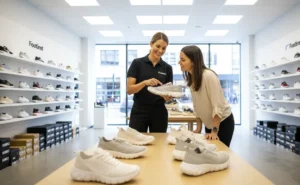
TPU in Shoe Soles: The Hidden Benefits

TPU in Shoe Soles: The Hidden Benefits Every Buyer Should Know

Why the Right Sole Changes Your Whole Shoe Experience

When people walk into a shoe store, most of them focus only on style or price. But from my 20+ years of experience selling shoes, I can tell you—what’s under your feet (the sole) often matters more than how the shoe looks. A good sole keeps you comfortable, safe, and confident all day long.

One of the most trusted modern materials used in shoe soles today is TPU (Thermoplastic Polyurethane). Many customers ask me in the store:

  • “Why is this sole better?”
  • “Is it worth paying a little more for TPU?”
  • “Will it last longer than rubber or EVA?”

These are valid questions. The truth is, TPU soles have some hidden benefits that many buyers don’t know about. They are lightweight, flexible, durable, and stylish—making them a smart choice for kids, parents, athletes, office workers, and even elderly users.

A Quick Example from Real Experience: A customer once bought a pair of sneakers with TPU soles for his teenage son. The boy used them for both school and football practice. Normally, shoes wear out fast under that kind of use. But after six months, the soles were still strong, slip-resistant, and comfortable. The father came back to the store to buy another pair for himself!

That’s the power of choosing the right sole. And in this article, I’ll break down exactly why TPU in shoe soles can make a big difference—whether you’re buying for yourself, your kids, or for work.

TPU in Soles – What It Means in Simple Words

If the term TPU sounds too technical, don’t worry. Let’s keep it simple. TPU stands for Thermoplastic Polyurethane. It’s a special kind of flexible plastic that can be both soft and strong at the same time. Shoemakers love it because they can shape it into soles that are lightweight, durable, and stylish.

🔎 How TPU is Made (Simple Explanation)

  • Think of TPU as a mix between rubber’s flexibility and plastic’s toughness.
  • Manufacturers heat and mold it into soles.
  • The result? A sole that bends when you walk but doesn’t crack or lose shape easily.

👟 Where You See TPU in Real Life

  • Sneakers & running shoes → for grip and bounce.
  • Kids’ school shoes → long-lasting, less chance of quick wear.
  • Work shoes & boots → strong anti-slip safety.
  • Trendy sandals or transparent designs → fashion appeal.

✅ Quick Parent Tip: If you’re buying shoes for kids who play rough, check the sole. TPU is often mentioned on the tag or box. It usually means the shoe will survive more playground hours before wearing out.

Why Buyers Care About Sole Materials in Shoes

When a customer comes to buy shoes, most don’t ask about TPU, EVA, or rubber. They ask simple things like:

  • “Will this shoe last?”
  • “Is it comfortable for my child?”
  • “Can I use it for both office and casual wear?”
  • “Will it slip on wet floors?”

All these questions point to one thing — the sole material. From my years behind the counter, I’ve seen how the wrong sole can ruin the entire shoe experience.

🛑 Common Problems Buyers Face with Wrong Soles

  • Shoes that feel heavy after a few hours.
  • Slipping in rainy weather.
  • Kids’ school shoes wearing out within 3 months.
  • Work shoes cracking under daily pressure.
  • Stylish shoes that look good but are painful to walk in.

✅ Why TPU Soles Make a Difference

  • Durability: TPU soles last longer than many cheaper materials.
  • Safety: Better grip reduces slipping accidents.
  • Comfort: They bend naturally with your foot.
  • Value for Money: You don’t need to replace shoes too often.

👨👩👧 Example from Real Customers: A mother once bought a pair of non-TPU school shoes because they were cheaper. Within 2 months, the sole cracked. Next time she chose a TPU sole school shoe. That pair lasted the entire school year. She came back smiling, saying, “This saved me money and headaches.”

👉 That’s exactly why buyers should care about sole material—it’s not just about shoes, it’s about saving time, money, and avoiding pain.

Everyday Benefits of TPU Soles for Shoe Lovers

Buying shoes is not just about looking good—it’s about feeling good every step of the way. TPU soles offer practical benefits that make daily life easier for everyone, from students to office workers.

🌟 1. Lightweight Comfort

  • TPU soles are lighter than traditional rubber or leather soles.
  • Less weight = less foot fatigue, especially if you walk or stand a lot.
  • Example: Office workers and parents running errands notice the difference after a full day.

🌟 2. Durability That Lasts

  • TPU resists cracks, tears, and wear.
  • Shoes with TPU soles can last months longer than non-TPU alternatives.
  • Tip: Look for a slightly thicker TPU layer in high-activity shoes.

🌟 3. Slip-Resistance for Safety

  • TPU soles provide excellent grip on wet or smooth surfaces.
  • Parents love it for kids’ school shoes; adults benefit at work or in rainy weather.
  • Pro Tip: Check the sole pattern—deep grooves + TPU = best anti-slip performance.

🌟 4. Weather & Water Resistance

  • TPU is less likely to absorb water.
  • Keeps your feet drier and shoes lighter during rainy days.
  • Great for commuters and outdoor enthusiasts.

🌟 5. Style Flexibility

  • Designers can mold TPU into different shapes and colors.
  • Transparent, colored, or patterned soles are possible without losing durability.
  • So, you can have both comfort and style in one shoe.

✅ Quick Step-by-Step for Parents & Buyers

  1. Check the shoe label or box for TPU mention.
  2. Look for sole thickness and flex patterns.
  3. Ask the seller how it performs in wet, outdoor, or sports conditions.
  4. Test by bending the shoe—TPU bends but returns to shape easily.
TPU vs Rubber, EVA, and PU – Which Sole Wins?

TPU vs Rubber, EVA, and PU – Which Sole Wins?

As a shoe store expert, I often get asked: “Which sole is better—TPU, rubber, EVA, or PU?” The truth is, each material has its place. Here’s a simple comparison based on real customer experience and store insights.

🔹 Comparison Table: TPU vs Other Soles

Feature TPU Rubber EVA PU
Durability Very high – lasts long, resists wear High – can crack under heavy use Moderate – compresses quickly Moderate – can tear easily
Weight Light Heavy Very light Light
Comfort Flexible, absorbs shock Stiffer, less cushioning Soft, but loses shape Soft initially, hardens over time
Slip Resistance Excellent Good Moderate Moderate
Weather Resistance Excellent (water & temperature) Good Poor Moderate
Style Options High – can mold & color easily Limited Limited Moderate
Best Use Daily wear, sports, work, kids Outdoor boots, casual Running & light sports Fashion shoes, casual

📱 Swipe left/right to view full table on mobile

👟 Expert Notes from the Store

  • TPU: Our best-seller for kids, athletes, and office shoes. Customers return rarely due to wear issues.
  • Rubber: Heavy-duty shoes for rough outdoor use. Excellent for trekking or hiking boots.
  • EVA: Lightweight runners and gym shoes. Good for comfort but not for long-term durability.
  • PU: Fashion shoes with short lifespan. Stylish but less practical.

✅ Pro Tips for Buyers:

  1. If you want long-lasting, all-round shoes → go for TPU soles.
  2. For heavier outdoor shoes, rubber is better.
  3. EVA is perfect for lightweight sports shoes but check durability.
  4. PU soles are mainly for style; don’t expect them to last years.

Sports Edge – Why Athletes Prefer TPU Soles

For athletes and active users, shoes are not just fashion—they are performance tools. From my years in retail, I’ve noticed TPU soles stand out in sports shoes for multiple reasons.

🏃 Key Performance Benefits

  • Shock Absorption:
    • TPU soles bend and compress slightly with each step, absorbing impact.
    • This reduces stress on knees, ankles, and back during running or jumping.
  • Energy Return:
    • TPU has a springy nature.
    • Athletes feel more bounce, which can improve speed and endurance slightly.
  • Grip & Traction:
    • TPU provides excellent traction on indoor courts, gym floors, and outdoor tracks.
    • Fewer slips mean safer training and fewer injuries.
  • Lightweight & Flexible:
    • Heavy soles can slow down sprinters or runners.
    • TPU keeps the shoe light while maintaining structure and durability.

👟 Real-Life Example from the Store: A teenage football player tried standard rubber-soled cleats and complained about foot fatigue. When he switched to TPU sole sneakers designed for sports, he immediately noticed less strain on his feet after practice. His parents later bought another pair for casual wear too!

✅ Pro Tips for Sports Buyers:

  • Check the sole thickness: Too thin → less protection; too thick → less flexibility.
  • Look for TPU-blended midsoles for extra cushioning.
  • Test by bending the shoe: TPU should flex but quickly return to its shape.
  • Choose shoes with good grip patterns for your sport surface.

Work & Safety Advantage – TPU for Long-Hour Shoe Use

For many adults, shoes are not just for style—they are tools for work. From retail counters to construction sites, I’ve seen how the wrong sole can cause discomfort, slips, and early wear. TPU soles solve these problems better than most other materials.

🔹 Why TPU Works for Work Shoes

  • Long-Lasting Durability:
    • TPU resists wear from daily walking, standing, and heavy movement.
    • Unlike EVA or PU, it won’t compress or tear quickly.
  • Anti-Slip Advantage:
    • Many work environments are slippery: kitchens, factories, warehouses.
    • TPU soles with proper tread patterns provide grip, reducing accidents.
  • Shock Absorption for Long Hours:
    • Workers who stand for 8–12 hours benefit from TPU’s cushioning.
    • Reduces foot fatigue, joint pain, and back stress.
  • All-Weather Use:
    • TPU soles handle wet, dry, or slightly rough surfaces.
    • Keeps shoes functional year-round without cracking or deforming.

👟 Real Store Example: A factory worker bought cheap PU-soled shoes. Within a month, the sole wore out, causing slips and discomfort. He switched to a TPU-soled safety shoe. After 6 months, the sole was still intact, comfortable, and slip-resistant. He became a repeat customer, buying multiple pairs for himself and colleagues.

✅ Expert Tips for Work Shoe Buyers:

  • Check tread pattern: deeper grooves = better anti-slip.
  • Look for medium-thickness TPU: balances cushioning & stability.
  • Ensure toe and heel reinforcement for extra safety.
  • Test flexibility: TPU should bend slightly without cracking.
Comfort, Style & Care – TPU Sole Shoes Guide

Comfort & Health – How TPU Soles Support Your Feet

Healthy feet are happy feet. From my experience selling shoes to families and elderly customers, sole comfort directly affects daily life. TPU soles are a favorite because they support your feet naturally and reduce common problems.

🌟 Key Comfort & Health Benefits

  • Cushioning & Shock Absorption:
    • TPU bends with your step, reducing stress on heels, arches, and ankles.
    • Perfect for kids who run a lot and adults who walk long distances.
  • Arch & Foot Support:
    • Some TPU shoes are designed to support arches naturally.
    • Helps reduce pain for people with flat feet or plantar fasciitis.
  • Parent-Friendly Buying Tips:
    • Check for flexibility: TPU should bend without cracking.
    • Look for lightly cushioned midsoles for kids’ school shoes.
    • Consider slightly thicker soles for toddlers—extra protection during play.
  • Temperature Comfort:
    • TPU doesn’t absorb heat like some rubber soles, keeping feet cooler in summer.
    • Retains shape in cold weather, avoiding stiff walking.

👟 Real-Life Store Insight: An elderly customer complained about back pain from walking shoes. We suggested TPU-soled shoes with extra cushioning. After a few weeks, he reported less foot fatigue and more comfortable daily walks. Parents buying for school-age children reported less foot strain and longer-lasting comfort.

✅ Quick Comfort Checklist:

  • Sole bends easily, returns to shape.
  • Adequate cushioning for daily use.
  • Slightly textured tread for grip and safety.
  • Right thickness for age and activity level.

Style Factor – How TPU Soles Make Shoes Look Trendy

Shoes are not just for walking—they’re a style statement. From my years in retail, I’ve noticed customers increasingly choosing shoes where TPU soles add both comfort and fashion.

🌟 How TPU Boosts Style

  • Flexible Design Options:
    • TPU can be molded into unique sole shapes.
    • Sneaker brands use TPU to create futuristic or chunky sole designs that catch attention.
  • Color & Transparency:
    • TPU can be clear, colored, or patterned.
    • Trendy transparent soles are popular among teens and young adults.
  • Lightweight Chunky Soles:
    • “Chunky sneakers” are a global trend.
    • TPU keeps these big soles light, so fashion doesn’t mean discomfort.
  • Combination with Upper Materials:
    • TPU pairs well with leather, mesh, and synthetic uppers.
    • Brands can make sporty, casual, or semi-formal shoes without compromising style.

👟 Store Example: A customer wanted stylish sneakers for casual wear. We suggested TPU-soled shoes with clear soles and vibrant colors. She was impressed: comfortable enough for daily walking and trendy enough for Instagram photos!

✅ Fashion Buying Tips:

  • Look for TPU soles that are slightly transparent or colored for a trendy touch.
  • Test weight—chunky look shouldn’t mean heavy shoes.
  • Combine with breathable uppers for daily comfort and style.

Taking Care of TPU Sole Shoes – Simple Tips

Buying TPU-soled shoes is an investment. From my retail experience, customers often ask: “How do I keep my shoes looking new and lasting longer?” Proper care makes all the difference.

🌟 Daily Maintenance Tips

  • Regular Cleaning:
    • Wipe the sole with a damp cloth after use.
    • For stubborn dirt, use mild soap and a soft brush.
    • Avoid harsh chemicals that can degrade the TPU material.
  • Drying Properly:
    • Air-dry shoes naturally—don’t place them near heaters.
    • TPU soles can warp if exposed to high heat.
  • Storage Tips:
    • Store in a cool, dry place.
    • Keep shoes away from direct sunlight for prolonged periods to prevent discoloration.
  • Rotation is Key:
    • Don’t wear the same pair every day.
    • Rotating shoes extends the life of the sole and keeps cushioning effective.

👟 Real Store Insight: A parent bought TPU-soled shoes for his child and followed these tips. After a full school year, the shoes looked almost new. Other non-TPU shoes in his house had already worn out.

✅ Quick Step-by-Step Care Checklist:

  1. Clean gently after use.
  2. Air-dry naturally.
  3. Rotate with other shoes.
  4. Store in a cool, dry place.
  5. Avoid harsh scraping or chemicals.
TPU Sole Shoes – Buying Guide & Eco Tips

Buying Checklist – What to Check in TPU Sole Shoes

Buying shoes with TPU soles is smart, but not all TPU soles are created equal. From my 20+ years in retail, I always guide customers to check key features before purchasing.

🔹 Step-by-Step Buying Checklist

  • Sole Flexibility Test:
    • Bend the shoe gently; TPU should flex but return to shape.
    • Too stiff → uncomfortable, too soft → wears out quickly.
  • Sole Thickness:
    • Thin soles → less cushioning, may wear faster.
    • Thick soles → more protection but check weight.
  • Tread Pattern & Grip:
    • Deep grooves + textured patterns = better anti-slip performance.
    • Test grip on smooth surfaces if possible.
  • Brand & Quality Assurance:
    • Trusted brands often indicate genuine TPU material.
    • Check labels, packaging, or ask the seller.
  • Price vs Durability Balance:
    • TPU shoes may cost a bit more upfront but last longer.
    • Compare similar shoes to make sure you’re getting value.
  • Intended Use:
    • Daily walking → medium TPU sole.
    • Sports → TPU with cushioning and traction.
    • Work → TPU with reinforced heel/toe and anti-slip pattern.

👟 Pro Tip from the Store: Many parents ask about school shoes: choose TPU soles with slightly thicker heel, lightweight feel, and flexible forefoot. This ensures comfort, durability, and safety during active play.

Eco & Ethical Side – Is TPU a Green Choice?

Many buyers today ask: “Is TPU environmentally friendly?” From my store experience, eco-conscious customers care not only about comfort and style but also sustainability.

🌱 TPU and the Environment

  • Durability Means Less Waste:
    • TPU soles last longer than EVA or PU.
    • Fewer shoes need to be discarded, reducing landfill waste.
  • Recyclability:
    • TPU can be recycled in some regions.
    • Some brands have take-back programs to reuse TPU material in new shoes.
  • Energy & Resource Use:
    • TPU is made from petrochemicals, so production uses energy.
    • However, longer-lasting shoes mean fewer replacements and lower overall environmental impact.
  • Ethical Considerations:
    • Many manufacturers producing TPU soles follow fair labor practices.
    • Choose brands that clearly mention eco-certifications or sustainable initiatives.

👟 Parent & Buyer Tips:

  • If you buy TPU-soled shoes, rotate and care for them properly to extend life.
  • Ask your local store or brand about recycling programs.
  • Prioritize durable, well-made TPU shoes over cheap alternatives for better sustainability.

✅ Quick Takeaway: While TPU is not 100% green, its durability, recyclability, and longer lifespan make it a more eco-conscious choice than many cheaper sole materials.

Final Verdict – Why TPU Soles Are a Smart Choice for Your Next Pair

After decades in shoe retail, I can confidently say that TPU soles are one of the smartest choices for buyers worldwide. Whether you are shopping for kids, athletes, office workers, or casual wear, TPU provides a balance of comfort, durability, safety, and style.

🌟 Key Takeaways

  • Durability That Lasts: Less wear and tear compared to PU or EVA. Longer lifespan saves money in the long run.
  • Comfort & Health: Flexible, cushioned soles reduce foot fatigue and joint stress. Suitable for all ages, from toddlers to the elderly.
  • Safety & Performance: Anti-slip, shock-absorbing, and stable. Perfect for sports, work, and everyday walking.
  • Style & Design Freedom: Moldable into different shapes, colors, and trendy designs. Combines fashion with practical functionality.
  • Environmentally Conscious Choice: Recyclable in some regions, longer life reduces waste. Care and maintenance extend environmental benefits.

👟 Expert Advice from Real Store Experience:

  • Always check sole flexibility, thickness, and grip.
  • Buy from trusted brands to ensure genuine TPU quality.
  • Pair proper care with TPU soles to maximize comfort, durability, and value.

In short: Investing in TPU-soled shoes means better performance, longer life, and smarter spending. Whether you’re a parent, athlete, worker, or casual shoe lover, TPU soles make a noticeable difference in everyday life.

Helpful FAQ – All About TPU Soles in Shoes

1. What is TPU in shoe soles?

TPU (Thermoplastic Polyurethane) is a flexible, durable material used in shoe soles. It combines the toughness of plastic with the flexibility of rubber.

2. Are TPU soles better than rubber or EVA?

TPU is lightweight, flexible, anti-slip, and long-lasting. Rubber is heavier but durable; EVA is soft but compresses faster. TPU offers a balanced performance for daily, sports, and work shoes.

3. Can TPU soles handle wet or rainy conditions?

Yes! TPU soles resist water and provide excellent grip, making them safe in light rain or damp surfaces.

4. Are TPU soles suitable for kids’ shoes?

Absolutely. TPU soles are durable, flexible, and slip-resistant—perfect for playgrounds, school, and daily running around.

5. How do TPU soles help in sports shoes?

They provide shock absorption, energy return, flexibility, and grip—reducing foot fatigue and improving performance.

6. Are TPU soles comfortable for elderly people?

Yes, TPU’s cushioning and flexibility reduce foot strain, support arches, and help with long walks or daily activity.

7. How long do TPU soles last compared to other materials?

Typically, TPU soles last longer than PU or EVA soles because they resist wear, cracks, and compression.

8. How should I clean TPU-soled shoes?

Wipe with a damp cloth, use mild soap for stubborn dirt, air-dry naturally, and avoid harsh chemicals or heat.

9. Can TPU soles be used for work shoes?

Yes. They provide durability, anti-slip performance, and comfort for long hours in workplaces like kitchens, warehouses, or factories.

10. Are TPU soles eco-friendly?

TPU is partially recyclable and longer-lasting, reducing waste. It’s not 100% green but more sustainable than short-lifespan sole materials.

11. How can I check if a shoe has genuine TPU soles?

Look for product labels, trusted brand info, and ask the seller. Genuine TPU soles usually mention the material on tags or packaging.

12. Are TPU soles flexible enough for running or sports?

Yes. TPU bends with your step and returns to shape, providing flexibility and shock absorption for active movement.

13. Can TPU soles get damaged easily?

No, they are durable, but avoid extreme twisting, high heat, and harsh chemicals to maintain longevity.

14. Are TPU soles stylish or only functional?

Both! TPU soles can be colored, transparent, or molded into trendy designs while maintaining comfort and durability.