TPR Thermoplastic Rubber Soles: Complete Guide to Comfort, Durability & Shoe Types

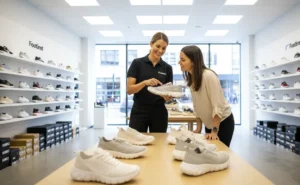
TPR (Thermoplastic Rubber) soles have become a go-to choice for shoes, juta, and paduka worldwide. From my 20+ years of real store experience, I’ve seen customers prefer TPR for its comfort, durability, and versatility.

🌟 Why Buyers Love TPR Soles

  • Lightweight Comfort: Shoes with TPR soles are lighter than many other sole types, reducing foot fatigue during long walks or daily wear.
  • Durability: TPR soles resist wear and tear, making them ideal for office shoes, casual sneakers, or fashion paduka.
  • Slip Resistance: The natural rubber-like texture provides better grip on different surfaces, ensuring safety for adults and children alike.
  • Affordability: Compared to full leather or specialized soles, TPR is budget-friendly while still offering excellent performance.

🏪 Practical Store Tips

  • Customers often confuse cheap plastic soles with TPR. TPR feels slightly flexible, rubbery, and smooth, unlike rigid plastic.
  • Shoes with TPR soles are great for everyday wear, indoor or outdoor, making them family-friendly and long-lasting.

📌 Real-Life Example

  • A customer bought TPR-soled casual shoes for school and office use.
  • After months of daily wear, the soles maintained shape, grip, and comfort, proving TPR’s practicality and reliability.

🎯 Takeaway

TPR soles combine comfort, durability, safety, and affordability, making them a popular choice for shoes, juta, and paduka across the globe.

🧩 TPR Explained – What Makes Thermoplastic Rubber Special

TPR is a unique material that combines the benefits of plastic and natural rubber. From real store experience, many buyers ask why TPR soles are so widely used in shoes, juta, and paduka.

Key Features of TPR Soles

  • Flexibility and Comfort: TPR bends and flexes with your foot, providing cushioning and smooth movement. Perfect for daily wear and long walks.
  • Durability and Wear Resistance: TPR is strong and resistant to abrasion, keeping shoes intact for months or years.
  • Slip Resistance: Its rubber-like texture grips floors better than hard plastic soles, reducing chances of slips.
  • Lightweight: Reduces overall shoe weight, making them comfortable for adults and children alike.
  • Eco-Friendly Options: Many TPR soles are recyclable and environmentally conscious, giving buyers a sustainable option.

🏪 Practical Example

  • A customer wanted school shoes for their child.
  • Shoes with TPR soles were light, flexible, and easy to walk in, making the child comfortable all day.

💡 Tips for Buyers

  • Press gently on the sole before purchase: TPR should feel slightly springy.
  • Check that the sole is evenly attached and has visible tread patterns for better grip.

📊 TPR Soles vs Other Shoe Materials

Feature TPR Soles EVA Soles Rubber Soles PVC Soles
Flexibility High Very High Medium Low
Durability High Medium Very High Medium
Slip Resistance High Medium Very High Low
Comfort High High Medium Low
Weight Light Very Light Heavy Medium
Cost Moderate Low High Low

🎯 Takeaway

Understanding differences between TPR and other soles helps you choose the best shoe for your needs, ensuring long-lasting comfort, safety, and style.

Top Benefits of TPR Soles for Daily Shoes and Paduka

TPR soles have earned popularity because they offer a unique combination of comfort, durability, and safety. From my real store experience, these benefits make TPR a preferred choice for shoes, juta, and paduka worldwide.

1️⃣ Lightweight Comfort for Everyday Wear

  • TPR soles are lighter than traditional rubber or leather soles.
  • Ideal for long walks, office use, or school paduka, reducing foot fatigue.

2️⃣ Superior Grip and Slip Resistance

  • The rubber-like texture provides excellent traction.
  • Helps prevent slips on wet tiles, wooden floors, or smooth pavements.

3️⃣ Long-Lasting Durability

  • Resistant to wear and tear, making TPR soles suitable for daily commuting shoes or casual sneakers.
  • Retains shape and cushioning over months of regular use.

4️⃣ Shock Absorption and Foot Protection

  • TPR soles absorb impact while walking or running.
  • Reduces strain on heels, ankles, and knees, making them suitable for family shoes for adults and children.

5️⃣ Versatility Across Shoe Styles

  • Works well with formal shoes, casual shoes, loafers, boots, and even paduka.
  • Provides consistent performance regardless of shoe design.

🏪 Practical Store Example

  • A customer purchased TPR-soled loafers for office and casual outings.
  • After months of wear, the shoes retained comfort, grip, and shape, showing how TPR soles enhance everyday shoe life.

💡 Quick Tips

  • Inspect the sole before purchase: TPR should feel springy, flexible, and lightweight.
  • Ensure the tread pattern is clear for better traction.

🎯 Takeaway

TPR soles are a practical, safe, and comfortable choice for everyday shoes, juta, or paduka, making them a smart investment for long-term use.

Limitations of TPR Soles – What Buyers Should Consider

  • Moderate Heat Sensitivity: TPR soles can soften in high temperatures. Avoid leaving shoes in direct sunlight or inside a hot car for long periods.
  • Slightly Less Grip on Uneven Surfaces: TPR is slip-resistant on smooth surfaces but may underperform on muddy or rough terrain.
  • Limited Heavy-Duty Use: Ideal for daily wear, not industrial or extreme outdoor footwear.
  • Potential for Surface Scratches: Soft and flexible TPR can scratch easily; avoid dragging on rough surfaces.
  • Less Formal Appeal: Some high-end dress shoes prefer leather soles for a classic look; TPR may appear casual in very formal settings.

🏪 Practical Store Tips

  • Use TPR shoes for office, school, casual outings, and everyday errands.
  • For outdoor adventures, heavy-duty work, or ultra-formal events, choose specialized soles instead.

🎯 Takeaway

TPR soles are versatile and practical, but knowing their heat sensitivity, surface limitations, and suitability for heavy-duty use ensures you choose the right shoe for the right purpose.

From Factory to Your Feet – How TPR Soles Are Made

TPR soles may seem simple, but the process behind them is quite fascinating. Understanding how these soles are made helps buyers appreciate the quality and value of TPR-soled shoes, juta, or paduka.

Step-by-Step Process of TPR Sole Manufacturing

  • 1. Raw Material Preparation: TPR is made by mixing synthetic rubber with thermoplastic polymers for flexibility, durability, and lightweight properties.
  • 2. Heating & Extrusion: The material is heated and extruded into the desired sole shape using molds.
  • 3. Molding & Shaping: Pressure and heat in molds define tread patterns, thickness, and arch support.
  • 4. Cooling & Hardening: Soles are cooled gradually to lock in flexibility and durability.
  • 5. Finishing Touches: Excess material is trimmed, edges smoothed, and optional textures or anti-slip patterns added.
  • 6. Attachment to Shoe Upper: Soles are bonded or stitched to the shoe upper, with quality control ensuring secure attachment.

🏪 Store Insight & Tips

  • TPR soles maintain their shape and grip because of this precise manufacturing process.
  • Cheaper shoes may use low-quality TPR or poor molding, reducing durability.
  • Look for shoes where tread patterns are clear and edges smooth—a sign of good manufacturing. Bend the sole slightly; it should spring back without cracking.

🎯 Takeaway

Understanding how TPR soles are made helps buyers choose high-quality, long-lasting shoes, juta, or paduka with confidence.

Spotting Genuine TPR Soles in Shoes, Juta & Paduka

With so many shoes in the market, buyers often struggle to identify genuine TPR soles. From my 20+ years in the store, I’ve seen many customers unknowingly buy low-quality imitations. Here’s a step-by-step guide to ensure you get real TPR soles.

1️⃣ Flexibility Test

  • Genuine TPR soles are slightly flexible yet resilient.
  • How to check: Bend the sole gently; it should spring back to its original shape without cracking.

2️⃣ Texture & Feel

  • TPR has a soft rubbery texture, unlike hard plastic soles.
  • Run your fingers across the tread: it should feel smooth, slightly elastic, and consistent.

3️⃣ Visual Inspection

  • Look at the edges and tread patterns. Genuine TPR soles have:
  • Even and clean edges
  • Clearly defined tread patterns for grip
  • Consistent thickness across the sole

4️⃣ Weight Check

  • TPR soles are lightweight compared to rubber or PVC soles.
  • Hold the shoe or paduka; it should feel sturdy but not heavy.

5️⃣ Bounce Test

  • Press the heel down on a hard surface: TPR soles provide slight bounce, showing elasticity and shock absorption.

6️⃣ Brand & Label Verification

  • Reputable brands often label the sole material on shoes or packaging.
  • Avoid unlabeled soles, as they may be cheap PVC or low-quality rubber.

🏪 Store Insight

  • Customers buying school shoes, casual shoes, or office paduka benefit from this quick inspection.
  • Even inexpensive TPR soles are better than cheap imitations, providing long-term comfort and durability.

🎯 Takeaway

By following these practical tests, you can confidently choose genuine TPR-soled shoes, juta, or paduka, ensuring comfort, safety, and long-lasting use.

Caring for TPR Soles – Easy Maintenance Tips

  • Regular Cleaning: Dust and dirt removal with a soft brush or damp cloth. For stubborn stains, use mild soap and water gently. Avoid harsh chemicals.
  • Drying Tips: Air-dry at room temperature. Avoid heaters or direct sunlight.
  • Avoid Rough Surfaces: TPR soles can scratch on rough terrain. Walk carefully on gravel or stones.
  • Storage Advice: Store in a cool, dry place. Keep shoes upright or in a dust bag to avoid deformation.
  • Rotation for Longevity: Rotate between pairs to reduce wear. Helps maintain cushioning and flexibility.
  • Quick DIY Tips: Apply light silicone spray occasionally to restore grip and shine. Use a soft-bristled brush to clean treads.

🏪 Store Insight

  • Customers who regularly maintain TPR-soled shoes report long-lasting comfort and consistent traction.
  • Even inexpensive TPR shoes perform better with simple care routines.

🎯 Takeaway

TPR soles are practical and durable, but following these easy maintenance tips ensures your shoes, juta, or paduka remain safe, comfortable, and stylish for years.

Troubleshooting Common TPR Sole Problems

  • Slippery Soles: Use a soft-bristled brush to slightly roughen tread or add non-slip rubber pads for grip.
  • Surface Scuffs and Scratches: Clean with mild soap and water. Minor scratches can be restored with silicone-based shoe polish.
  • Sole Detachment: Reattach with strong adhesive like shoe glue. Ensure proper drying before wearing.
  • Hardening or Stiff Soles: Store in cool, dry place. Massage gently with warm hands or soft cloth to restore flexibility.
  • Uneven Wear: Rotate shoes regularly and consider orthotic insoles to correct foot pressure distribution.

🏪 Quick Store Tips

  • Inspect TPR soles before purchase for flexibility, thickness, and tread patterns.
  • Avoid overuse on rough terrains for casual TPR shoes or paduka.

🎯 Takeaway

Most TPR sole problems are minor and easily fixable. With proper care and attention, your shoes, juta, or paduka will remain comfortable, safe, and long-lasting.

TPR Soles Across Shoe Styles – Casual, Formal & Sports

TPR soles are versatile, making them suitable for many shoe types, juta, and paduka. From my store experience, understanding where TPR excels helps buyers choose the right style for their needs.

1️⃣ Casual Shoes & Sneakers

  • Why TPR works: Lightweight, flexible, and shock-absorbing, perfect for everyday walking.
  • Examples: Loafers, slip-ons, casual sneakers.
  • Tip: Look for grip patterns that prevent slipping on city pavements or malls.

2️⃣ Formal Shoes & Office Paduka

  • Why TPR works: Smooth yet durable, providing a comfortable base for all-day wear.
  • Examples: Oxfords, derbies, moccasins, office paduka.
  • Tip: Ensure the sole edges are neatly finished for a polished formal look.

3️⃣ Sports & Athletic Shoes

  • Why TPR works: Flexible and lightweight, TPR enhances movement and performance in sports.
  • Examples: Indoor sports shoes, light trainers, gym shoes.
  • Tip: Check that tread patterns are designed for traction and impact absorption.

4️⃣ Children’s Shoes & School Paduka

  • Why TPR works: Soft, durable, and lightweight—reduces fatigue for growing feet.
  • Tip: Choose TPR soles with deep treads for grip and avoid overly stiff options.

🏪 Store Insight

  • Many parents prefer TPR soles for school shoes because they combine safety, durability, and comfort.
  • Casual and formal shoe buyers often overlook sole quality, but TPR provides a reliable base for daily wear.

🎯 Takeaway

TPR soles are adaptable across shoe styles, offering comfort, safety, and durability whether it’s for casual outings, formal office use, sports, or children’s school paduka.

Cost vs Value – Are TPR Sole Shoes Worth the Investment?

TPR soles are affordable yet high-performing, but buyers often wonder: “Am I paying more than necessary?” From my store experience, here’s a detailed breakdown to help evaluate cost vs value.

Factor Why It Matters TPR Advantage
Comfort Long hours of wear Lightweight, shock-absorbing, flexible
Durability Frequent use, daily walking Resists wear and maintains shape
Slip Resistance Safety for family and children Rubber-like grip prevents slips
Maintenance Effort required to keep shoes functional Easy to clean, low-maintenance
Versatility Usable across casual, formal, and sports shoes Performs well in multiple shoe styles
Shoe Type Average Price (USD) Lifespan Value Rating*
TPR Casual Sneakers $35 12–18 months High
TPR Office Shoes/Paduka $60 18–24 months High
TPR Sports/Trainers $70 12–20 months High
Rubber Heavy-Duty Shoes $90 24–30 months Medium
PVC Budget Shoes $20 6–12 months Low

🏪 Practical Store Insight

  • Investing slightly more in quality TPR-soled shoes saves money in the long run.
  • Cheap shoes with PVC or poor-quality soles wear out faster, requiring frequent replacement.

🎯 Takeaway

TPR soles offer excellent cost-to-value ratio, making them a smart choice for everyday, formal, sports, or children’s shoes, juta, and paduka.

FAQ – TPR Soles: Everything Buyers Should Know

1. What is a TPR sole?

TPR (Thermoplastic Rubber) is a synthetic material combining rubber and plastic.
It’s lightweight, flexible, and durable, perfect for shoes, juta, and paduka.

2. How is TPR different from rubber or PVC soles?

TPR is lighter than rubber, more flexible than PVC, and offers better slip resistance and shock absorption.

3. Are TPR soles suitable for children’s school shoes?

Yes. They are lightweight, safe, and comfortable, reducing fatigue for growing feet.

4. Can TPR soles be used in formal shoes?

Absolutely. TPR soles can be used in Oxfords, loafers, and office paduka while providing all-day comfort.

5. Are TPR soles durable for daily use?

Yes. With proper care, TPR soles last 12–24 months for regular casual or office wear.

6. How do I clean TPR soles?

Use a soft brush or damp cloth with mild soap.
Avoid harsh chemicals and direct sunlight drying.

7. Can TPR soles slip on wet surfaces?

They have good grip, but caution is needed on very muddy or slippery outdoor surfaces.

8. Can TPR soles handle heavy loads or outdoor activities?

They are ideal for everyday shoes, but for heavy-duty or hiking, rubber soles may be better.

9. How can I identify genuine TPR soles?

Check for flexibility, lightweight feel, clear tread patterns, and soft rubber-like texture.

10. Do TPR soles need special care?

Basic cleaning and avoiding heat exposure or rough terrain are enough to maintain durability.

11. Can TPR soles be repaired if damaged?

Minor scuffs can be cleaned or polished.
Loose soles can be reattached using strong shoe glue.

12. Are TPR soles eco-friendly?

They are partially recyclable and more durable than cheap PVC, reducing frequent replacements.

13. Are TPR soles expensive?

They are affordable, with a great cost-to-value ratio, often priced between $20–$90 depending on shoe type.

14. Which shoe types benefit most from TPR soles?

Casual shoes, formal shoes, sports trainers, children’s school shoes, and paduka all benefit from lightweight, comfortable, and durable TPR soles.

Takeaway

Understanding TPR soles ensures buyers choose safe, durable, and comfortable shoes, juta, or paduka, maximizing long-term value.