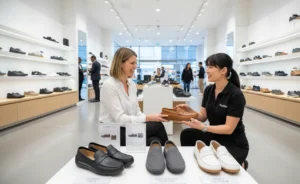
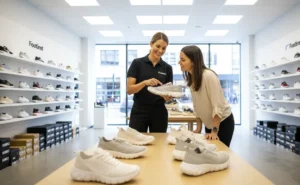
How to Care for Your Favorite Sneakers – Saller Tips From Store
Introduction
Sneakers are no longer just casual shoes—they are an essential part of daily life, style, and comfort for people all around the world. Whether you are commuting in New York, exploring the streets of Tokyo, or walking through the historic cities of Europe, your favourite pair of sneakers carries you through your daily routines. But over time, dirt, moisture, and improper care can damage even the most expensive or well-made shoes.
From my 14+ years of experience in footwear retail, I’ve seen countless customers bring in sneakers that are faded, misshaped, or uncomfortable simply because they weren’t cared for correctly. Improper cleaning, storing in damp areas, or neglecting small stains are common mistakes that can shorten the lifespan of your sneakers and even affect foot health by causing blisters, odor, or discomfort.
Proper sneaker care not only keeps your shoes looking fresh and stylish, but it also extends their life, saves money by reducing the need for frequent replacements, and ensures comfort for every step you take. Caring for your sneakers involves understanding their material—canvas, leather, suede, or mesh—using the right cleaning techniques, protecting them from water and stains, storing them correctly, and occasionally maintaining insoles and laces.
In this guide, I will provide step-by-step advice, practical tips, and real store insights to help you maintain your sneakers. These tips are suitable for any sneaker lover around the globe, whether you prefer running shoes for sports, casual sneakers for daily wear, or stylish leather pairs for work and social events.
By following these expert recommendations, you can ensure your sneakers remain comfortable, clean, durable, and fashionable, no matter where you live or how often you wear them. This article is designed to help you make the most of your favourite shoes and enjoy the perfect balance of style, performance, and longevity.
Understanding Your Sneaker Material 👟
Not all sneakers are built the same, and understanding the material of your shoes is the first step to keeping them in top condition. Each type requires different cleaning methods, protection, and storage. Choosing the wrong care routine can shorten the life of your favourite pair or cause discomfort while wearing them.
Canvas Sneakers
- Best For: Everyday casual wear, walking, and travel.
- Care Tips: Hand wash with mild soap and water. Avoid harsh chemicals that can fade the color or weaken fabric. Let them air dry naturally, away from direct sunlight.
- Why It Matters: Canvas is lightweight and breathable but can lose shape or color if not treated properly.
Leather Sneakers
- Best For: Urban walking, office casual, and semi-formal events.
- Care Tips: Wipe clean with a damp cloth. Avoid soaking. Apply leather conditioner to prevent cracks and maintain flexibility. Store in a cool, dry place to preserve shape.
- Why It Matters: Leather is durable but sensitive to water and heat. Proper care ensures long-lasting comfort and style.
Suede and Nubuck Sneakers
- Best For: Stylish casual wear and fashion-conscious choices.
- Care Tips: Use a specialized suede brush to remove dirt. Avoid water contact; instead, apply water-repellent spray before first use. Treat stains immediately with appropriate products.
- Why It Matters: Suede is soft and delicate, prone to stains and damage. Preventive care is essential.
Mesh or Synthetic Sneakers
- Best For: Sports, gym, travel, and hot climates.
- Care Tips: Clean with mild soap and a soft brush. Avoid rough scrubbing to prevent tearing the mesh. Air dry completely.
- Why It Matters: Mesh allows breathability and comfort, but improper cleaning can reduce support and shape.
Daily Cleaning Routine for Long-Lasting Sneakers 🧼
Alright, let’s get real—no one wants their favourite sneakers looking tired after a few wears, right? From my years in the store, I’ve noticed most sneaker lovers underestimate daily cleaning, which is actually the key to making them last longer.
Here’s how you can maintain them step by step:
Step 1: Remove Laces and Insoles
- Always take out laces and insoles before cleaning.
- Why? Because dirt, sweat, and odor often hide there.
- Pro tip: Wash laces separately or replace them if they’re worn out.
Step 2: Brush Off Loose Dirt
- Use a soft-bristle brush to remove dust and dirt.
- For suede or mesh sneakers, a gentle touch is important—no scrubbing like you’re cleaning a floor!
Step 3: Spot Cleaning
- Mix mild soap with water and use a soft cloth or sponge to clean stains.
- For stubborn stains on leather, try a specialized leather cleaner.
- Suede or nubuck? Use a suede eraser or brush—never soak them in water.
Step 4: Air Dry Naturally
- Avoid direct sunlight or heaters; they can warp or fade your shoes.
- Stuff sneakers with tissue paper or newspaper to maintain shape while drying.
Step 5: Replace Insoles and Laces
- Make sure insoles are completely dry before reinserting.
- Fresh laces instantly make sneakers look newer.
International-Friendly Tip:
- In humid climates, sprinkle baking soda inside overnight to absorb moisture.
- In cold climates, store sneakers in a dry, ventilated area to prevent mildew.
By sticking to this daily cleaning routine, your sneakers will stay fresher, more comfortable, and last years longer, no matter where you live.
Protecting Sneakers from Water and Stains 🌧️💦
Let’s face it—accidents happen. Rain, spilled coffee, or muddy streets can ruin your favourite sneakers in minutes. But don’t panic! With a few simple steps, you can protect your shoes and keep them looking new.
1. Use Material-Specific Protective Sprays
- Leather sneakers: Waterproof leather spray prevents water spots and keeps them flexible.
- Suede or nubuck: Suede protector spray repels water and prevents stains.
- Canvas or mesh: Mild fabric protector sprays reduce dirt absorption without changing the color.
2. Apply Before First Use
- Pro tip: Always spray new sneakers before wearing them outside. It creates a protective barrier that makes cleaning easier later.
3. Reapply Regularly
- If you wear sneakers daily, apply protection every 2–3 weeks.
- In rainy or humid climates, consider weekly application.
4. Quick Emergency Fixes
- Water splash: Dab with a dry cloth immediately, don’t rub aggressively.
- Mud stains: Let mud dry completely, then gently brush off.
- Spills: Use a damp cloth with mild soap to spot clean quickly.
- In wet climates (London, Tokyo, Mumbai), always carry a small travel-size sneaker protector spray. It can save your shoes during sudden rain.
- For travelers, keep a microfibre cloth in your bag for quick spot cleaning on the go.
Friendly Reminder: Treat protective sprays as insurance for your sneakers—they might cost a few dollars, but they save hundreds in replacements and keep your shoes stylish.
Proper Storage for Sneakers 🏠👟
You’ve cleaned your sneakers, protected them, and now comes the often-overlooked step: storage. Believe me, storing shoes incorrectly can undo all your hard work—warped soles, faded color, and unpleasant odors are common problems I see in the store every day.
1. Keep Sneakers in a Cool, Dry Place
- Avoid damp areas like basements or bathrooms; moisture leads to mildew and bad odor.
- Heat sources, like radiators or direct sunlight, can warp the shape and fade colors.
2. Use Shoe Racks or Boxes
- Store each pair separately if possible.
- Clear shoe racks are ideal—they keep sneakers visible, ventilated, and easy to grab.
- If using boxes, make sure they are breathable. Avoid sealed plastic containers for long-term storage.
3. Maintain Shape with Shoe Trees or Tissue Paper
- Shoe trees are perfect for leather and high-end sneakers.
- For canvas or mesh shoes, stuffing them with tissue paper or newspaper works just as well.
- This prevents creasing and keeps sneakers looking fresh.
4. Rotate Your Sneakers
- Don’t wear the same pair every day.
- Rotation reduces wear, allows shoes to air out, and keeps them in better condition longer.
5. Special Storage Tips for Travel
- Pack sneakers in breathable shoe bags to prevent scuffs during transit.
- Carry a small microfiber cloth or travel-size protector spray for emergencies.
- In humid regions, use silica gel packets in boxes to absorb moisture.
- For snowy or wet climates, store winter sneakers separately to prevent salt stains from spreading to other pairs.
Friendly Reminder: Proper storage is as important as cleaning. Investing a few minutes in storing your sneakers correctly keeps them comfortable, stylish, and long-lasting no matter where you live.
Caring for Laces and Insoles 👟🧦
Often overlooked, laces and insoles play a huge role in your sneakers’ comfort, appearance, and hygiene. From my real store experience, many customers ignore these parts and wonder why their shoes feel uncomfortable or smell bad. Let’s fix that.
1. Laces Care
- Remove laces before cleaning your sneakers.
- Wash them separately using mild soap and water or replace if worn out.
- For quick freshening, soak laces in baking soda and water for 15–20 minutes, rinse, and air dry.
- Tip: Swapping old laces with new ones instantly makes sneakers look brand new.
2. Insoles Care
- Insoles absorb sweat, odor, and pressure. Remove them after each use to air out.
- For fabric insoles, hand wash with mild detergent, rinse, and air dry completely before reinserting.
- Leather or gel insoles can be wiped with a damp cloth and leather conditioner if needed.
3. Odor Control
- Sprinkle baking soda or activated charcoal inside insoles overnight to absorb moisture and smell.
- For travelers, carry portable insole fresheners—very handy during long flights or city walks.
4. Replacement Tips
- Replace worn-out insoles every 6–12 months, depending on usage.
- New insoles can revive old sneakers, improving comfort and support without buying a new pair.
- In humid climates, remove insoles daily to prevent bacterial growth.
- In colder climates, use moisture-absorbing insoles to keep feet dry and warm.
Friendly Reminder: Treat your laces and insoles as essential parts of your sneakers—they affect fit, comfort, and hygiene just as much as the outer material.
Real-Life Problems and Solutions 💡
Even with proper care, sneaker owners often face common issues. From my 14+ years in the footwear store, I’ve seen these problems repeatedly—and here’s how to solve them effectively:
1. Sore Feet After Long Wear
- Problem: Shoes feel uncomfortable after walking or standing for hours.
- Solution: Ensure proper fit, cushioning, and arch support. Consider using gel or memory foam insoles for extra comfort. Rotate pairs to avoid overuse.
2. Sneakers Smell Bad
- Problem: Sweat and moisture cause odor.
- Solution: Remove insoles, sprinkle baking soda or use deodorizing sprays, and air out sneakers daily. For fabric sneakers, occasional gentle hand wash helps.
3. Leather Sneakers Cracking
- Problem: Leather sneakers develop cracks or stiffness.
- Solution: Clean gently with a damp cloth and apply leather conditioner weekly. Avoid soaking and exposure to heat or sunlight.
4. Suede or Canvas Stains
- Problem: Mud, coffee, or spills leave marks.
- Solution: Let mud dry completely, brush gently for canvas. Use suede brush or eraser for suede stains. Apply protective spray regularly.
5. Worn-Out Soles
- Problem: Shoes lose grip or soles wear unevenly.
- Solution: Rotate shoes to reduce wear. For high-quality pairs, consider sole repair or replacement at a professional cobbler.
6. Shoes Losing Shape
- Problem: Sneakers look squashed or misshaped.
- Solution: Store with shoe trees or tissue paper. Avoid stacking shoes on top of each other.
- In humid climates, store shoes with silica gel packets to avoid mildew.
- In rainy regions, use quick-dry techniques and waterproof sprays to protect sneakers.
- Frequent travelers should carry portable cleaning kits to address stains and moisture on the go.
Friendly Reminder: Recognizing and solving these problems early keeps sneakers comfortable, fresh, and long-lasting, no matter where you live or how active you are.
Buying Tips for Long-Lasting Sneakers 🛒👟
Choosing the right pair of sneakers is the first step to long-term comfort and durability. From my real store experience, many people spend on stylish shoes but regret later because they didn’t consider proper buying factors. Here’s how to make a smart purchase:
1. Know the Purpose
- Ask yourself: “Where and how will I wear these sneakers?”
- Casual sneakers for everyday use, sports sneakers for running or gym, leather or semi-formal sneakers for work or social events. Choosing the right type ensures comfort and longevity.
2. Check the Material
- Canvas: Lightweight and breathable, perfect for casual wear.
- Leather: Durable, stylish, but needs care.
- Suede/Nubuck: Stylish but delicate; needs protection.
- Mesh/Synthetic: Flexible, breathable, ideal for sports and travel.
- Always pick materials suitable for your climate and activity.
3. Focus on Fit and Comfort
- Measure both feet before buying—feet sizes can change over time.
- Walk around in the store or try indoor testing at home to ensure no tight spots, blisters, or discomfort.
4. Check Support and Cushioning
- Insoles, arch support, and sole flexibility are crucial for long-term foot health.
- For running or high-activity sneakers, check shock absorption and grip.
5. Pay Attention to Sole and Grip
- Soles should be durable and slip-resistant, especially if walking on wet or uneven surfaces.
- Thick or cushioned soles last longer and protect feet from impact.
6. Inspect Stitching and Construction
- Look for reinforced stitching and quality finishing.
- Avoid cheap replicas that wear out quickly or cause discomfort.
7. Consider Style and Versatility
- Choose sneakers that complement your wardrobe and lifestyle.
- Neutral colors or classic designs often last longer in fashion relevance.
8. Read Care Instructions
- Always check the manufacturer’s cleaning and care instructions.
- This helps prevent damage and extends the lifespan of your sneakers.
- For humid climates, pick breathable and quick-drying materials.
- For colder climates, insulated leather or waterproof sneakers work best.
- Travelers should consider versatile sneakers that combine comfort, style, and easy maintenance.
Friendly Reminder: A good pair of sneakers isn’t just about style—it’s about comfort, durability, and long-term foot health. Investing in the right pair saves money, avoids injuries, and keeps you walking comfortably everywhere you go.
Conclusion
Caring for your favourite sneakers is more than just cleaning—it’s about preserving comfort, style, and longevity. From my 14+ years in footwear retail, I’ve seen countless sneaker lovers make simple mistakes that shorten the life of their shoes—ignoring stains, improper storage, skipping protective sprays, or neglecting insoles and laces.
By understanding your sneaker material—whether canvas, leather, suede, mesh, or synthetic—you can apply the right care routine that keeps your shoes looking fresh and performing well. Daily cleaning, proper drying, regular protection, and careful storage prevent damage, odors, and discomfort. Rotating your shoes, maintaining insoles and laces, and addressing minor issues early ensures maximum lifespan and comfort.
Investing a few minutes daily to care for your sneakers saves money in the long run, avoids unnecessary replacements, and keeps your shoes ready for every walk, travel, or adventure. Protective sprays, shoe trees, and quality cleaning techniques are simple tools that make a huge difference, even for people living in humid, cold, or rainy climates.
Remember, sneakers are not just shoes—they are daily companions that carry you through life’s routines. With the right care, attention, and preventive measures, your sneakers can stay stylish, clean, and comfortable for years. Whether it’s casual shoes, running sneakers, loafers, or boots, the principles remain the same: know your materials, clean correctly, protect regularly, and store wisely.
Take care of your sneakers, and they’ll take care of your feet, comfort, and style—wherever your journey takes you in the world.
FAQs – Sneaker & Shoe Care 💡
1. How often should I clean my canvas shoes?
Clean once every 1–2 weeks for everyday use. Spot clean stains immediately with a soft cloth or toothbrush. Pro Tip: Remove laces before cleaning and air dry naturally. Avoid direct sunlight to prevent color fading.
2. Can I machine wash my mesh sneakers?
Yes, with gentle cycle:
1. Remove laces and insoles.
2. Place sneakers in laundry bag/pillowcase.
3. Use cold water and mild detergent.
4. Air dry; never tumble dry.
Important: Do not machine wash leather or suede sneakers—they may crack or deform.
3. How do I prevent leather sneakers from cracking?
• Apply leather conditioner every 2–3 weeks.
• Avoid soaking in water or leaving wet shoes in direct sun.
• Store in cool, dry place with shoe trees/paper.
Extra Tip: Rotate leather sneakers; don’t wear the same pair daily.
4. What is the best way to clean suede or nubuck sneakers?
1. Brush gently with suede brush to remove dirt.
2. Use suede eraser for small stains.
3. Apply protective spray before first use.
Avoid: Water or soap directly on suede—it leaves permanent marks.
5. How can I make my insoles last longer?
• Remove insoles after each wear to air out moisture.
• Clean gently with mild soap and water every 1–2 weeks.
• Replace every 6–12 months depending on use.
Extra Tip: Consider orthopedic or gel insoles for extra comfort and support.
6. Why do my running shoes smell bad?
Odor comes from sweat and moisture. Prevent it by:
• Removing and airing insoles daily.
• Sprinkling baking soda inside shoes.
• Using deodorizing sprays for footwear.
• Washing laces and mesh uppers periodically.
7. Can I wear the same pair of loafers or sneakers daily?
Better to rotate 2–3 pairs. Daily wear increases odor, sole damage, and reduces air circulation. Expert Tip: One pair for work, one for casual, one for travel/long walks.
8. How do I protect my shoes from rain or snow?
1. Apply material-specific water-repellent spray.
2. Wipe water/mud immediately.
3. For leather, apply conditioner afterward.
4. Store dry after exposure.
9. My canvas shoes are losing shape—what should I do?
• Stuff with tissue, newspaper, or shoe trees.
• Avoid piling other shoes on top.
• Air out damp shoes before storing.
Extra Tip: Lightweight canvas sneakers benefit from gentle reshaping after washing.
10. How do I clean boots after a muddy day?
1. Let mud dry completely.
2. Brush gently with stiff-bristle brush.
3. Wipe stubborn spots with damp cloth.
4. Apply protective spray or conditioner depending on material.
Pro Tip: Avoid soaking boots.
11. Can protective sprays damage sneakers or shoes?
Only if misused. Guidelines:
• Choose material-specific sprays.
• Test on small area first.
• Follow manufacturer instructions.
• Reapply periodically, especially after cleaning or rain.
12. How do I keep white sneakers looking fresh?
• Clean weekly or immediately after getting dirty.
• Use soft brush and mild soap; avoid bleach.
• Spot clean stains quickly.
• Store in dry, dust-free place.
• Optional: White sneaker protector spray.
Pro Tip: Rotate white sneakers and avoid muddy/wet areas.