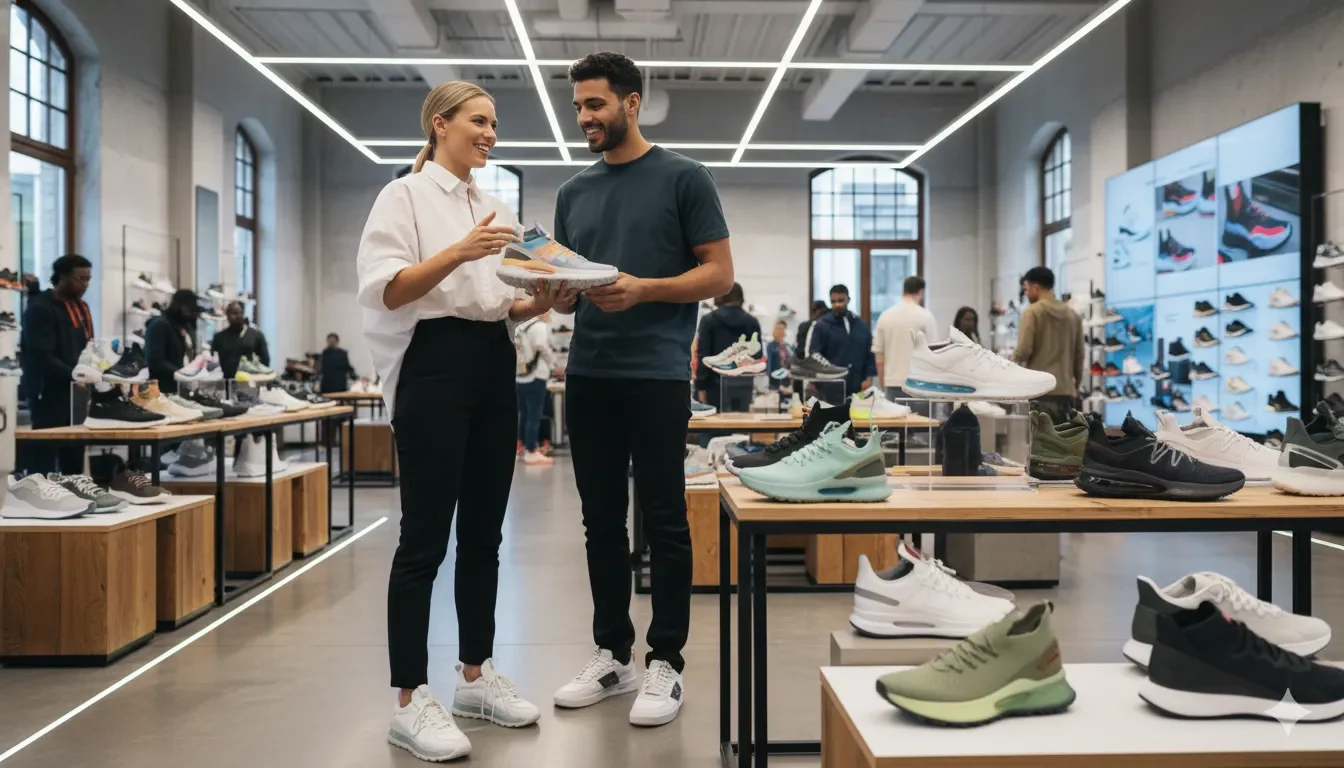
Most Breathable Shoes Choosing Comfort That Lasts
Why Breathable Shoes Matter for Happy Feet
Choosing the right shoes isn’t just about style—it’s about keeping your feet healthy, fresh, and comfortable. Breathability in shoes is a key factor that many international buyers often overlook. From my 20+ years of shoe retail experience, I’ve seen that shoes with poor airflow cause sweating, odor, blisters, and discomfort, especially during travel, long walks, or summer days.
- Temperature Control: Breathable shoes allow air to circulate, keeping feet cool.
- Moisture Management: Sweat evaporates faster, preventing fungal infections and odor.
- Comfort on Long Journeys: Traveling or commuting becomes easier when feet stay dry.
- Durability: Shoes that breathe well tend to last longer because moisture doesn’t weaken materials.
🛒 Real Store Insight
A frequent international traveler once complained that his synthetic shoes were making his feet sweat during city tours. I suggested mesh sneakers and vegetable-tanned leather casual shoes. He returned smiling after months: “My feet stay dry, shoes feel lighter, and no more blisters!”
💡 Quick Tips for Buyers
- Look for natural fabrics like cotton, leather, or suede for casual and formal shoes.
- Mesh or knit uppers are ideal for sports, walking, and travel.
- Avoid fully synthetic closed shoes in hot or humid climates.
- Check for ventilation features like perforations, breathable insoles, or moisture-wicking linings.
👟 Did You Know?
Breathable shoes help maintain your foot’s natural temperature, reducing odor, fungal risks, and material breakdown—especially useful for long-term travelers and city walkers.
Natural Fabrics That Let Your Feet Breathe
When it comes to breathable shoes, natural fabrics are often the best choice. They allow air circulation, absorb moisture, and keep feet comfortable for long hours. From casual sneakers to summer sandals, natural materials make a noticeable difference.
🌟 Top Natural Fabrics for Breathable Shoes
1. Cotton
- Soft, lightweight, and highly breathable.
- Ideal for casual sneakers, slip-ons, or summer shoes.
- Store tip: Cotton-lined shoes prevent irritation and reduce sweat during hot weather.
2. Canvas
- Durable and allows air to pass freely.
- Perfect for travel, city walks, and everyday casual shoes.
- Example: A traveler buying canvas slip-ons reported dry and comfortable feet after long sightseeing walks.
3. Linen
- Lightweight, natural fiber that absorbs moisture well.
- Often used in summer loafers or indoor shoes.
4. Wool (Merino or Blended)
- Surprisingly breathable and moisture-wicking.
- Ideal for cooler climates or light hiking shoes.
- Tip: Wool insoles or wool-lined casual shoes keep feet dry while maintaining warmth.
A parent once bought cotton canvas shoes for their teen traveling abroad. They returned saying:
“Feet stayed fresh even after hours of walking in a hot city. No odor, no blisters!”
This highlights how natural fabrics outperform synthetics in daily comfort and breathability.
💡 Quick Tips for Buyers
- Choose shoes with 100% cotton or blended canvas uppers for summer or travel.
- Look for perforated designs in leather or suede shoes to enhance airflow.
- Avoid fully synthetic shoes in humid climates; they trap moisture and cause discomfort.
- Pair natural-fabric shoes with moisture-wicking socks for extra comfort.
Leather Styles & Their Airflow – Full-Grain, Nubuck, and More
Leather shoes are timeless, durable, and stylish, but many international buyers wonder about their breathability. Not all leather is the same—choosing the right type ensures your feet stay comfortable even during long walks or warm climates.
🌟 Leather Types & Breathability
1. Full-Grain Leather
- Most durable and natural.
- Slightly breathable due to natural pores.
- Softens over time, molding to the foot.
- Tip: Look for perforations or brogue patterns to improve airflow.
2. Top-Grain Leather
- Smoothed surface, slightly less breathable.
- Easier to maintain and polish.
- Works well for office shoes and formal settings.
3. Nubuck Leather
- Buffed outer layer gives soft, velvety feel.
- Moderately breathable.
- Example: A traveler bought nubuck casual loafers for sightseeing; he reported dry feet during long walks because of soft, airy construction.
4. Suede
- Similar to nubuck but less durable.
- Breathable for casual shoes, sneakers, or slip-ons.
- Works best in dry or temperate climates.
A frequent customer from Europe asked for leather shoes that don’t make feet sweat. I recommended full-grain leather with perforations and cushioned insoles. After a month, he said:
“Feet stay cool even during warm city tours. Perfect balance of style and comfort!”
💡 Quick Tips for Buyers
- For formal or travel shoes, choose perforated full-grain leather or lightly buffed nubuck.
- Avoid thick, untreated leather in humid climates—it traps heat.
- Pair with moisture-wicking or breathable insoles to improve airflow.
- For casual wear, suede or nubuck loafers offer softness and moderate breathability.
High-Tech Synthetics for Maximum Ventilation
Modern shoe technology has brought synthetic materials that combine lightweight comfort, breathability, and durability. Many international buyers prefer synthetics for sports, travel, and daily active use, especially when natural fabrics aren’t suitable.
🌟 Popular Breathable Synthetic Materials
1. Mesh Uppers
- • Lightweight and highly ventilated.
- • Ideal for running shoes, trainers, and casual sneakers.
- • Allows airflow, reducing sweat accumulation.
2. Knit Fabrics (Engineered Knit or Flyknit)
- • Stretchable and snug-fitting.
- • Lightweight, breathable, and stylish.
- • Provides a sock-like feel, excellent for travel and long walks.
3. Synthetic Leather with Perforations
- • Offers durability similar to leather but with improved airflow.
- • Easy to maintain and often water-resistant.
- • Good for office or semi-formal shoes in humid climates.
4. EVA & Lightweight Rubber Composites (for Soles)
- • Insoles or mid-soles that breathe and reduce heat retention.
- • Keeps shoes light while enhancing comfort.
A sports enthusiast asked for sneakers suitable for hot, humid regions. I recommended engineered knit sneakers with EVA soles and perforated synthetic leather panels. He returned after a hiking trip:
“Feet stayed cool, shoes lightweight, and no bad odor. Perfect for summer adventures!”
💡 Quick Tips for Buyers
- • Choose mesh or knit shoes for running, walking, or travel in hot climates.
- • Look for synthetic panels with perforations to improve airflow in casual or semi-formal shoes.
- • Check for lightweight EVA or rubber soles that prevent heat buildup.
- • Pair with breathable socks to further enhance comfort.
Mesh & Knit Kicks – Lightweight & Fresh
Mesh and knit shoes have revolutionized modern casual and sports shoe design. They are especially popular among international travelers, athletes, and daily commuters because of their lightweight feel and superior breathability.
🌟 Why Mesh & Knit Shoes Are So Breathable
- • Open Structure: Tiny holes in mesh allow air to circulate freely.
- • Moisture-Wicking: Sweat evaporates quickly, keeping feet dry.
- • Flexibility: Knit uppers adapt to the foot’s shape, preventing pressure points.
- • Lightweight: Less material reduces foot fatigue during long walks or flights.
A frequent traveler visiting tropical regions asked me for shoes that wouldn’t overheat. I suggested engineered knit sneakers with mesh panels. He reported:
“Even after 8 hours walking, my feet stayed cool and dry. The shoes felt like they were barely there!”
💡 Quick Tips for Buyers
- 1. Look for multi-directional knit patterns for enhanced airflow.
- 2. Choose shoes with perforated or ventilated soles for extra breathability.
- 3. Combine with moisture-wicking socks to prevent odor.
- 4. Ideal for summer trips, city walking tours, casual outings, and light sports.
- 5. Ensure proper sizing — stretchable knit molds to your foot, but too tight can reduce airflow.
- • Some knit shoes include removable insoles; this allows you to clean or replace them for hygiene and better ventilation.
- • For travelers, pack a shoe bag to keep knit shoes dry and fresh during flights.
Outsole & Insole Design That Enhances Airflow
Breathable shoes aren’t just about uppers—the outsole and insole design play a huge role in keeping your feet fresh. Proper airflow in these areas prevents sweating, odor, and discomfort, especially during long walks, sports, or travel.
🌟 Key Outsole & Insole Features for Breathability
- 1. Perforated Outsoles: Small holes allow air to circulate from the bottom. Common in casual, summer, and running shoes.
- 2. Cushioned, Ventilated Insoles: Foam or gel insoles often have holes or channels for airflow. Some insoles are removable for easy cleaning or replacement.
- 3. Mesh or Breathable Sockliners: Covers the insole and wicks moisture, reducing slipping and odor during long hours.
- 4. Lightweight EVA Soles with Channels: EVA mid-soles often include grooves for better ventilation, keeping shoes light while enhancing comfort.
A frequent hiker wanted breathable shoes for tropical trails. I suggested shoes with perforated outsoles and vented EVA insoles. He returned saying:
“Feet stayed dry, shoes were light, and even after 10 km of hiking, I had no blisters or sweating issues!”
💡 Quick Tips for Buyers
- • Check if shoes have removable, ventilated insoles for easy cleaning.
- • Look for grooved or perforated outsoles to improve airflow.
- • Combine with lightweight mesh uppers for maximum breathability.
- • Perfect for travel, hiking, sports, and hot climates.
- • Shoes with dual-layer insoles often trap less heat.
- • Airflow channels are especially important for closed sneakers and office shoes in humid regions.
Hybrid Shoes – Combining Comfort and Breathability
Hybrid shoes are the best of multiple materials, designed to deliver both comfort and airflow. They combine natural fabrics, leather, and high-tech synthetics, making them ideal for international travelers, sports enthusiasts, and daily wear.
🌟 What Makes Hybrid Shoes Special
- • Mixed Materials: Often combine mesh or knit uppers with leather or synthetic panels.
- • Targeted Ventilation: Strategic perforations in high-sweat areas improve airflow.
- • Enhanced Support: Leather or synthetic panels provide structure without reducing breathability.
- • Versatility: Suitable for casual, office, travel, and light sports shoes.
A customer wanted shoes that were stylish enough for office but breathable for daily city walks. I suggested hybrid leather-mesh shoes with EVA soles. After a month, she said:
“These shoes look professional yet keep my feet cool during long commutes. Exactly what I needed!”
💡 Quick Tips for Buyers
- 1. Check for mesh or knit inserts in high-sweat zones like toes and heel.
- 2. Ensure synthetic or leather panels do not cover airflow areas entirely.
- 3. Choose shoes with removable, ventilated insoles for hygiene and comfort.
- 4. Ideal for travel, office commutes, casual outings, and semi-sports activities.
- • Hybrid shoes often combine moisture-wicking linings with supportive soles.
- • Great for hot climates, where pure leather or synthetic shoes might overheat.
- • Some hybrids include stretchable uppers that adapt to foot shape while maintaining airflow.
Sports & Outdoor Juta – Keep Feet Dry During Action
For active lifestyles, whether it’s running, hiking, or outdoor sports, breathable shoes are a must. Sports and outdoor juta are engineered to keep feet dry, cool, and comfortable, even during high-intensity activities or humid conditions.
🌟 Key Features of Breathable Sports & Outdoor Shoes
- 🎯 Perforated or Mesh Uppers: Allows air circulation during intense movement, reducing sweat accumulation and blisters.
- 💧 Moisture-Wicking Linings: Keeps feet dry by channeling sweat away from the skin, often paired with removable, ventilated insoles.
- ⚡ Quick-Dry Materials: Synthetic fabrics or treated leather dry faster after exposure to water or sweat, ideal for hiking, trail running, or water sports.
- 🌬️ Ventilated Outsoles: EVA or rubber soles with grooves for airflow, reducing heat buildup and increasing comfort on long treks.
A traveler preparing for a rainforest trek wanted breathable, quick-dry shoes. I recommended mesh-knit trail runners with ventilated EVA soles and moisture-wicking insoles. After his trip, he reported:
“Even in humid, wet conditions, my feet stayed dry and blister-free. Super comfortable for long hikes!”
💡 Quick Tips for Buyers
- ✅ Look for hybrid mesh-leather uppers for durability plus airflow.
- ✅ Choose vented midsoles or insoles for extra breathability.
- ✅ Ensure shoes have lightweight, flexible soles to prevent fatigue.
- ✅ Pair with moisture-wicking socks to enhance comfort.
- 💦 Some outdoor shoes have drainage holes, perfect for water trails or wet environments.
- 🦶 Breathable sports shoes reduce odor buildup, a key concern for travelers and athletes.
- 🌡️ For international buyers, check that shoes fit snugly but allow airflow—tight shoes reduce ventilation.
Traveler & Parent Tips – Fresh Feet All Day
Keeping feet fresh and comfortable is a priority for travelers, parents, and kids alike. Even the best breathable shoes can lose effectiveness if not paired with smart habits. From my 20+ years of store experience, these tips help prevent sweating, odor, and discomfort.
🌟 Essential Tips for Travelers
- 🎒 Pack Multiple Pairs: Rotate shoes daily to prevent moisture buildup. Lightweight mesh or knit shoes are ideal for long trips.
- 🧦 Use Moisture-Wicking Socks: Bamboo, merino wool, or synthetic blends wick sweat away, reducing odor and preventing blisters.
- 🌬️ Air Out Shoes Daily: Remove insoles and let shoes breathe overnight. Avoid packing wet shoes in luggage.
- 💨 Choose Quick-Dry Options: Hybrid shoes or sports sneakers with quick-dry materials are perfect for humid or wet destinations.
- ✅ For kids, select mesh or knit shoes with flexible soles to prevent discomfort during play or school.
- ✅ Look for removable insoles for easier cleaning and odor control.
- ✅ Avoid heavy or fully synthetic shoes that trap heat, especially in summer.
A parent buying school shoes for their child asked for breathable, long-lasting options. I recommended mesh-lined leather sneakers with removable insoles. She reported:
“After a full day at school and sports, my child’s feet remained dry and comfortable. No sweat or odor issues!”
- 🔄 Rotate shoes and allow them to air out between uses.
- 🌿 Apply light sneaker deodorizer or natural powders if needed.
- 🧦 Pack spare moisture-wicking socks for long trips or school days.
- ✅ Ensure shoes fit well but aren’t too tight, preserving airflow.
Maintenance Hacks to Preserve Breathability
Even the most breathable shoes lose their effectiveness if not properly maintained. From my 20+ years of shoe retail experience, keeping shoes clean, dry, and well-cared for ensures long-lasting airflow, comfort, and durability.
🌟 Key Maintenance Practices
- 🧽 Regular Cleaning: Wipe mesh and knit uppers with a soft cloth and mild soap. Avoid soaking leather or suede; light damp cleaning works best.
- 🌬️ Drying Shoes Properly: Air-dry in a well-ventilated area. Never use direct heat like hairdryers; it damages materials and reduces airflow.
- 🩴 Use Removable Insoles: Clean or replace ventilated insoles regularly. Helps prevent odor and retains shoe breathability.
- 💧 Protect with Breathable Sprays: Waterproof sprays or leather conditioners that do not block airflow help maintain breathability.
- 🏠 Store Shoes Correctly: Use shoe trees for leather or hybrid shoes. Store mesh and knit shoes in breathable shoe bags.
A customer complained about mesh sneakers losing airflow after a month of travel. I suggested removing insoles, washing gently, air-drying, and using a breathable shoe bag. She returned reporting:
“Shoes feel fresh again, ventilation restored, and feet are cool even in summer walks!”
- 🔄 Clean shoes weekly if used frequently, especially during travel or sports.
- ♻️ Rotate shoes to prevent moisture buildup.
- ❌ Avoid fully closed synthetic shoes in hot climates without maintenance—they trap sweat and reduce comfort.
- ✅ Check that sprays or conditioners are breathable-friendly.
Eco-Friendly & Sustainable Breathable Materials
Breathable shoes can now be eco-conscious too. International buyers increasingly care about sustainability, and manufacturers are innovating with materials that are both breathable and environmentally friendly.
🌟 Top Eco-Friendly Breathable Materials
- ♻️ Recycled Polyester Mesh: Made from recycled plastic bottles. Lightweight, ventilated, and durable. Ideal for sports sneakers or casual travel shoes.
- 🌱 Organic Cotton or Hemp: Naturally breathable and soft. Used in casual shoes, slip-ons, or summer kicks. Minimal chemical processing ensures sustainability.
- 🌿 Vegetable-Tanned Leather: Treated with natural plant extracts instead of harmful chemicals. Breathable and long-lasting. Perfect for formal, hybrid, or casual shoes.
- 🩴 Cork Insoles: Naturally moisture-wicking and lightweight. Provides ventilation while reducing environmental impact.
A traveler wanted breathable shoes made from sustainable materials. I recommended mesh sneakers made from recycled polyester with cork insoles. He reported:
“My feet stay fresh, shoes feel light, and I love that they’re eco-friendly!”
- ✅ Look for labels mentioning recycled, organic, or vegetable-tanned materials.
- 🌬️ Choose mesh or knit uppers made from sustainable fabrics.
- 🩴 Pair with natural insoles like cork or wool for extra comfort and ventilation.
- 🌎 Eco-friendly shoes often combine breathability, comfort, and environmental responsibility.
Buyer’s Quick Checklist – Choosing Truly Breathable Shoes
Buying breathable shoes can feel overwhelming with so many materials, designs, and brands available. From my 20+ years of shoe retail experience, here’s a practical, step-by-step checklist to help you choose the perfect pair for comfort, travel, and daily wear.
🌟 Step-by-Step Checklist for Breathable Shoes
- ✅ Check the Upper Material: Look for mesh, knit, canvas, cotton, or perforated leather. Avoid fully synthetic, non-ventilated uppers in hot climates.
- 🩴 Inspect Insoles: Ensure ventilated, moisture-wicking, or removable insoles. Cork, EVA, or wool insoles are ideal.
- 🌬️ Examine Outsoles: Grooved, perforated, or lightweight soles improve airflow. EVA or rubber with channels enhances breathability.
- 👟 Fit & Comfort: Shoes should fit snugly but allow airflow around toes. Stretchable knit or hybrid designs adapt to foot shape.
- 🌿 Check for Eco-Friendly Options: Recycled polyester, organic cotton, vegetable-tanned leather, and cork are breathable and sustainable.
- ☀️ Consider Usage & Climate: Mesh or knit for summer, travel, sports, and humid regions. Leather or hybrid shoes for office, semi-formal, and cooler climates.
- 🧼 Maintenance & Hygiene: Removable insoles, air drying, and proper cleaning maintain breathability. Rotate shoes to prevent moisture buildup.
A frequent traveler wanted shoes that remain breathable for long walks and humid climates. Using this checklist, he chose mesh sneakers with perforated soles and cork insoles. He said:
“Following these tips made choosing easy. Feet stayed dry, shoes lightweight, and no odor at all!”
- ✅ Always try shoes with socks you plan to wear regularly for accurate comfort and ventilation.
- 🌬️ Choose shoes with hybrid materials for versatility in various climates and activities.
- 🩴 Prioritize breathable insoles—even the best upper can fail without proper airflow underneath.
Conclusion – Invest in Comfort and Healthy Feet
Choosing the right breathable shoes is more than a style decision—it’s an investment in foot health, comfort, and overall well-being. From my 20+ years of shoe retail experience, I’ve seen customers worldwide benefit from selecting shoes that combine material quality, ventilation, and proper design.
🔹 Key Takeaways – Breathable Shoes
- 🩴 Material Matters: Mesh, knit, canvas, natural fabrics, and perforated leather ensure optimal airflow.
- 🌬️ Design is Crucial: Ventilated insoles, grooved outsoles, and hybrid constructions enhance comfort.
- 🧼 Maintenance Preserves Breathability: Proper cleaning, drying, and rotating shoes prolong airflow and lifespan.
- 🌿 Eco-Friendly Options Exist: Recycled polyester, cork, organic cotton, and vegetable-tanned leather combine breathability with sustainability.
One international traveler said after switching to breathable hybrid shoes:
“I can walk city streets, explore new destinations, and attend meetings without sweaty, tired feet. Best investment for my travels!”
2. Rotate shoes and use moisture-wicking socks for maximum effectiveness.
3. Consider sustainable materials that keep feet fresh and reduce environmental impact.
4. Follow the buyer’s checklist to avoid common mistakes and choose shoes that truly breathe.
FAQ – Everything About Breathable Shoes
1. What materials make shoes the most breathable? 🧵
Look for mesh, knit, canvas, cotton, linen, perforated leather, or recycled polyester. These materials allow airflow, wick moisture, and prevent overheating.
2. Are leather shoes breathable? 👞
Yes, full-grain and nubuck leather have natural pores for airflow. Choose perforated or brogue designs for added ventilation. Hybrid leather-mesh shoes combine style with breathability.
3. Can synthetic shoes be breathable? ⚡
Absolutely. Modern synthetics like engineered knit, mesh, and perforated synthetic leather are highly ventilated, lightweight, and ideal for sports, travel, and hot climates.
4. Do insoles affect breathability? 🦶
Ventilated, moisture-wicking, or removable insoles improve airflow and prevent odor. Cork, EVA, or wool insoles are excellent choices.
5. How do outsoles enhance ventilation? 👣
Grooved or perforated soles allow air circulation under the foot. Lightweight EVA or rubber soles reduce heat buildup and improve overall comfort.
6. Are mesh shoes suitable for international travel? ✈️
Definitely. Mesh or knit shoes are lightweight, breathable, and quick-drying, making them perfect for city walks, sightseeing, or tropical climates.
7. Can kids’ shoes be breathable? 👧👦
Yes. Choose mesh, knit, or canvas shoes with flexible soles. Removable insoles and lightweight materials prevent sweating, odor, and foot fatigue during school or play.
8. How do I maintain breathability in shoes? 🧴
• Clean gently with mild soap.
• Air-dry in a ventilated area.
• Rotate shoes regularly.
• Remove insoles for cleaning or airing out.
9. Are hybrid shoes a good choice? 🔗
Yes. Hybrid shoes combine mesh, knit, leather, or synthetics for both support and airflow, ideal for office, casual, or light sports use.
10. What are eco-friendly breathable shoe options? 🌱
Look for recycled polyester mesh, organic cotton, hemp, cork insoles, or vegetable-tanned leather. These materials are sustainable, breathable, and comfortable.
11. Can breathable shoes prevent odor? 👃
Proper materials plus ventilated insoles and moisture-wicking socks significantly reduce odor. Airing out shoes and rotating pairs also helps.
12. Are breathable shoes suitable for humid climates? 💧
Shoes with mesh, knit, perforated leather, or ventilated soles perform best in humid or tropical conditions, keeping feet dry and comfortable.
13. How do I choose the right breathable shoes for sports? 🏃♂️
Opt for mesh or engineered knit shoes with ventilated EVA soles, moisture-wicking insoles, and flexible construction. They provide airflow, lightweight comfort, and support during high-intensity activities.
14. How do I ensure long-lasting breathability? ⏳
• Clean shoes regularly.
• Air-dry after use.
• Rotate pairs.
• Avoid sealing perforations with thick sprays or polish.
• Use breathable insoles and socks to maintain airflow.
Best Shoes for Medical Professionals 2026 – Expert Guide
Best Shoes for a Car Ride – Comfortable Driving Shoe Guide
Which Shoe Is Perfect for Regular Use? – Seller Shoe Guide 2026
Top Casual Shoes Every Young Adult Should Own – Seller Shoe Guide
Best Breathable Shoes for Summer & Hot Climates – Saller Guide